
LATOMUS
metrics 2024
Connecting Disciplines, Inspiring Inquiry
Introduction
LATOMUS is a distinguished academic journal published by Peeters in Belgium, offering a rich platform for scholarly discourse in the fields of Classics, Archaeology, History, Literature, and Linguistics. With the ISSN 0023-8856 and E-ISSN 2294-4427, it has established itself as an essential resource for researchers and professionals seeking to contribute to and engage with critical debates within these disciplines. While not an Open Access journal, LATOMUS is recognized for its robust impact in the academic community, achieving Q2 and Q3 rankings across various categories, including Classics and Archaeology, according to the latest 2023 evaluations. The journal publishes articles that span a range of topics relevant to antiquity and its influences, making it a vital resource for those exploring historical narratives and linguistic developments. As a publication dedicated to advancing scholarly knowledge since its inception in 1971, LATOMUS continues to serve as a cornerstone of academic inquiry within the humanities, promoting intellectual engagement and disseminating high-quality research in its converged years from 1971 to 1974, 1980, and from 2002 to the present.
Metrics 2024
 0.110.100.2010
Metrics History
Rank 2024
Scopus
JCI (Web Of Science)
Quartile History
Similar Journals

Antichthon
Exploring the Depths of Classical ThoughtAntichthon, published by Cambridge University Press, stands as a vital platform within the field of Classics. Established in 1986, the journal has evolved to encompass scholarly contributions that explore various dimensions of classical studies, including literature, history, and cultural studies. With its rich publication history extending from 2011 to 2023, Antichthon boasts a commendable Q2 ranking in the latest 2023 Category Quartiles for Classics, reflecting its significant impact in the academic community. Although the journal does not offer an Open Access option, it continues to engage researchers and academics with its curated selection of articles, reviews, and critical insights. Located at the Edinburgh Building, Shaftesbury Rd, Cambridge, England, this journal remains an essential resource for both established scholars and students aiming to deepen their understanding of classical antiquity and its enduring relevance.
CLASSICAL JOURNAL
Unveiling the Rich Tapestry of Classical ThoughtCLASSICAL JOURNAL, published by the esteemed Johns Hopkins University Press, stands as a premier academic platform dedicated to the exploration and analysis of classical studies, focusing on ancient Greek and Roman literature, history, and culture. With an impressive impact factor and categorized in the Q1 quartile for Classics in 2023, the journal provides high-quality, peer-reviewed articles that contribute significantly to our understanding of classical antiquity. Researchers and students from around the globe turn to CLASSICAL JOURNAL for groundbreaking insights, as it consistently ranks in the top tier of its field, occupying rank #52 in the Scopus listings within the Arts and Humanities sector, placing it in the 69th percentile. While the journal maintains a traditional subscription model, its rich content and scholarly relevance make it an essential resource for anyone engaged in the study of the classical world, enhancing the academic discourse surrounding this timeless and influential area of study.

Acta Classica
Fostering Research that Resonates Through TimeActa Classica is a distinguished journal dedicated to the field of Classics, published by the Department of English in Classical Languages at the University of Free State, South Africa. With its ISSN 0065-1141 and E-ISSN 2227-538X, this journal has been a pivotal platform for scholarly discourse since its inception in 1973, notably converging and evolving significantly in its content from 2010 to 2023. Although it currently holds a Q4 classification in Classics, its Scopus ranking at #88 out of 170 in the Arts and Humanities reflects its relevance in academic circles, with a 47th percentile standing. The journal aims to publish high-quality research articles, reviews, and critical essays that not only explore the rich tapestry of ancient civilizations but also contribute to contemporary understandings of classical languages and literature. While its content is not openly accessible, Acta Classica remains an essential resource for researchers, professionals, and students who seek to deepen their knowledge and engagement with Classical studies.
Scando-Slavica
Bridging Cultures: A Journey Through Scando-Slavic ConnectionsScando-Slavica is a renowned academic journal published by ROUTLEDGE JOURNALS, TAYLOR & FRANCIS LTD, specializing in the rich interplay of Scandinavian and Slavic studies. With its ISSN 0080-6765 and E-ISSN 1600-082X, the journal has been a critical resource for scholars since its inception in 1954, covering a wide range of disciplines including archaeology, cultural studies, history, linguistics, and literature. As of 2023, it has consistently ranked in the third quartile across various categories, indicating its influential role in disseminating innovative research within the arts and humanities. With a focus on interdisciplinary dialogue, Scando-Slavica aims to foster a deeper understanding of cultural exchanges and linguistic connections, making it an essential read for researchers, professionals, and students interested in exploring the complexities of Nordic and Slavic interactions. While currently not an open access journal, its contributions have garnered substantial citations, bolstering its academic impact and relevance in a diverse scholarly landscape.
MNEMOSYNE
Elevating academic dialogue in literature and linguistics.MNEMOSYNE is a prestigious academic journal published by BRILL, specializing in the fields of Archeology, Classics, History, Linguistics and Language, and Literature and Literary Theory. With a remarkable history dating back to its inception in 1948, this journal continues to be a crucial resource for scholars and researchers, spanning its publication years that extend to 2024. The journal boasts high rankings in multiple categories according to Scopus, including Q1 status in Classics and History, reflecting its impact and relevance in the academic community. Although it is not an Open Access journal, its selection of peer-reviewed articles ensures rigorous scholarship that contributes to ongoing discussions and discoveries in the humanities. By providing a platform for innovative research and critical discourse, MNEMOSYNE plays an integral role in advancing the understanding of cultural and historical contexts, making it an essential read for both seasoned academics and emerging scholars alike.

Palaeohispanica-Revista sobre Lenguas y Culturas de la Hispania Antigua
Advancing Scholarship on Ancient Languages and CulturesPalaeohispanica-Revista sobre Lenguas y Culturas de la Hispania Antigua is a distinguished academic journal dedicated to the study of ancient Spanish languages and cultures. Published by the INST FERNANDO CATOLICO in Spain, this journal serves as an essential platform for scholars and researchers exploring the rich historical and linguistic heritage of Iberia. With a specific focus on the intersections of archaeology, history, linguistics, and cultural studies, Palaeohispanica has garnered substantial recognition, reflecting its commitment to high-quality research as evidenced by its rankings in prominent Scopus categories, reaching the 80th percentile in History and the 69th in Archaeology. While the journal operates without an Open Access option, it continues to contribute significantly to the academic discourse surrounding ancient Hispania from 2019 to 2023, ensuring that vital research is accessible to a discerning audience. As a Q3 and Q2 ranked publication in various relevant categories, it is an invaluable resource for professionals, researchers, and students eager to delve into the complexities of ancient languages and cultures.
GREECE & ROME
Fostering Dialogue on Ancient WisdomGREECE & ROME, published by Cambridge University Press, is a prestigious journal dedicated to the study of classical antiquity and its enduring influence on contemporary culture. This journal, indexed with ISSN 0017-3835 and E-ISSN 1477-4550, offers a platform for scholarly articles that delve into various aspects of Greek and Roman societies, literature, art, and history. With a rich history that spans from 1931 to 2024, it has consistently maintained an important position in the academic community, achieving a Q2 ranking in Classics and a Q3 ranking in Arts and Humanities as of 2023. Highlighted by a Scopus ranking of #74 out of 170 in Classics, the journal appeals to a diverse audience, including researchers, professionals, and students aspiring to deepen their understanding of the classical world. Although it does not offer open access, GREECE & ROME is committed to the dissemination of critical research and thought-provoking discourse, making significant contributions to the fields and encouraging intellectual exchange across disciplines.
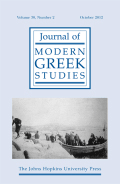
JOURNAL OF MODERN GREEK STUDIES
Exploring the Depths of Contemporary Greek IdentityJOURNAL OF MODERN GREEK STUDIES, published by Johns Hopkins University Press, is an esteemed academic journal dedicated to the exploration and analysis of contemporary Greek culture, history, and society. With its ISSN 0738-1727 and E-ISSN 1086-3265, this journal significantly contributes to the fields of Cultural Studies, History, Sociology, and Political Science, consistently ranking within the upper quartiles in 2023. As a vital resource for researchers, professionals, and students, the journal provides a platform for interdisciplinary scholarship and critical discourse, enhancing our understanding of modern Greece from various perspectives. Readers can access a range of scholarly articles and reviews that delve into the complexities of Greek identity and its historical narratives. With converged years from 2002 to 2024, the JOURNAL OF MODERN GREEK STUDIES remains a pivotal reference point for those interested in Greek studies, underlining its importance and relevance within both national and international academic circles.
JOURNAL OF ROMAN STUDIES
Unveiling the Legacy of Rome Through ResearchThe JOURNAL OF ROMAN STUDIES, published by Cambridge University Press, is a prestigious academic journal dedicated to the exploration of the Roman world through archaeological, historical, and literary lenses. With a rich publication history dating back to 1911, this journal has established itself as a leading platform for groundbreaking research in the fields of Classics, History, and Visual Arts, holding Q1 rankings in multiple categories as of 2023. Scholars from around the globe rely on its rigorous peer-reviewed articles to inform their work and advance the understanding of Roman culture and society. Although it operates under a traditional access model, the journal's impact factor and broad bibliographic reach ensure that it remains an invaluable resource for researchers, students, and professionals alike. With its continued commitment to excellence, the JOURNAL OF ROMAN STUDIES not only contributes to academic discourse but also invites new insights into the timeless relevance of Roman studies.

Minerva-Revista de Filologia Clasica
Connecting scholars in the pursuit of knowledge.Minerva-Revista de Filologia Clasica, an esteemed academic journal published by the Universidad de Valladolid, is a pivotal resource in the fields of Classics, Linguistics, and Literature. With its ISSN 0213-9634 and E-ISSN 2530-6480, this journal has been championing open access since 2017, making high-quality research accessible to a global audience. Based in Valladolid, Spain, Minerva is dedicated to the exploration and dissemination of scholarly work related to classical philology, offering a platform for the exchange of ideas among researchers, educators, and students alike. Recognized in the 2023 category quartiles as Q3 in Classics and Q4 in Linguistics and Language, this journal provides valuable insights and contributes significantly to its fields, allowing authors and readers to engage with important discussions and innovative perspectives. As the academic landscape evolves, Minerva continues to adapt, fostering a vibrant community committed to the advancement of knowledge in antiquity and its linguistic dimensions.