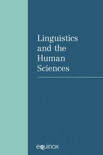
Linguistics and the Human Sciences
metrics 2024
Illuminating the Ties Between Language and Culture
Introduction
Linguistics and the Human Sciences is a prominent academic journal published by EQUINOX PUBLISHING LTD that delves into the intricate relationship between linguistics and various aspects of human life, culture, and society. Designed to serve as a platform for innovative research and interdisciplinary dialogues, this journal explores themes that span cognitive science, sociolinguistics, applied linguistics, and more, making it an invaluable resource for researchers, professionals, and students interested in the dynamic interplay between language and human experience. Although specific metrics such as impact factor and H-index are not available, the journal's commitment to advancing linguistic scholarship ensures its relevance and importance within the field. As an esteemed publication based in Sheffield, England, Linguistics and the Human Sciences seeks to foster accessible research through a non-open access model that maintains rigorous academic standards, ultimately contributing to the ongoing discourse in linguistics and its humanistic implications.
Metrics 2024
 -0.200.30-
Metrics History
Rank 2024
JCI (Web Of Science)
Quartile History
Similar Journals
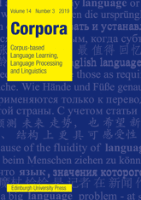
Corpora
Empowering Research in Linguistics and LanguageCorpora is a leading journal in the field of Linguistics and Language, published by Edinburgh University Press. Since its inception in 2006, Corpora has established itself as a pivotal platform for scholarly discourse, focusing on the analysis and interpretation of linguistic corpora across various contexts. The journal is recognized for its rigorous peer-review process and boasts a commendable impact within its category, achieving a Q2 ranking in the 2023 Linguistics and Language quartiles. Moreover, it ranks in the 79th percentile in Arts and Humanities Language and Linguistics and in the 77th percentile in Social Sciences Linguistics and Language, underlining its significance in the academic community. While currently not an open-access journal, Corpora is accessible to a broad audience, encouraging contributions from researchers, professionals, and students eager to advance the field of linguistics through innovative research and insightful discourse. For those invested in linguistic studies and corpora analysis, Corpora offers a vital resource and forum for the dissemination of high-quality research.
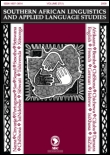
Southern African Linguistics and Applied Language Studies
Unveiling Insights into Language and SocietySouthern African Linguistics and Applied Language Studies is a prestigious journal dedicated to the exploration and analysis of linguistics and applied language studies within the Southern African context. Published by Taylor & Francis Ltd, this esteemed journal has established itself as a significant platform for scholars and practitioners since its inception in 2003. With an impressive Q2 ranking in the Linguistics and Language category and a current Scopus rank of #430 out of 1167, it occupies a vital position in the academic landscape, appealing to a diverse readership keen on linguistic research, language policy, and applied linguistics. While the journal is not currently open access, it provides comprehensive insights and scholarly articles that foster understanding and innovation in linguistic practices and language education. As of 2024, the journal continues to deepen its impact through rigorous peer-review and a commitment to advancing knowledge, making it a key resource for researchers, educators, and students seeking to navigate the complexities of language within the Southern African region and beyond.

Cadernos de Estudos Linguisticos
Innovating the study of language for tomorrow's scholars.Cadernos de Estudos Linguisticos, published by UNIV ESTADUAL CAMPINAS, INST ESTUDOS LINGUAGEM, stands as a pivotal platform in the field of linguistic studies since its inception in 1978. With its commitment to Open Access, this journal fosters the dissemination of cutting-edge research, ensuring that knowledge is accessible to a global audience. This also enhances collaboration among researchers, professionals, and students dedicated to exploring the nuances of language. The journal proudly carries the ISSN 0102-5767 and E-ISSN 2447-0686, attesting to its uninterrupted quality and relevance in linguistic scholarship. By addressing various facets of language studies, including syntax, semantics, and sociolinguistics, this esteemed journal is a vital resource for advancing understanding and innovation in the field.

MODERNA SPRAK
Exploring the Frontiers of Linguistic InnovationMODERNA SPRAK, published by LMS-Modern Language Teachers Association, is a vital journal in the field of linguistics and language studies that has been contributing to academic discourse since its inception in 2002. With an ISSN of 2000-3560, this Swedish journal provides a platform for researchers, educators, and language enthusiasts to explore contemporary issues and advancements in linguistics. Despite its Q4 category ranking in the 2023 category quartiles, its focus on diverse linguistic perspectives and innovative methodologies ensures its continued relevance and importance. As of 2023, it holds notable ranks within Scopus, placing it within the lower percentile of its categories—yet this offers a unique opportunity for emerging scholars to contribute to its growth and visibility. While MODERNA SPRAK is not an open access journal, it serves as a rich resource for academic networking and knowledge sharing in the evolving landscape of language education and research. The journal's commitment to fostering scholarship within an inclusive framework makes it an essential read for those engaged in the language sciences across various educational contexts.

Iberica
Advancing linguistic scholarship for a global audience.Iberica, an esteemed journal published by AELFE, serves as a vital platform for scholarly discourse in the fields of linguistics and language studies. With its inception as an Open Access publication in 1999, Iberica has democratized access to high-quality research, fostering an environment of collaboration and innovation among researchers and professionals alike. Based in Spain at UNIV JAUME I, the journal has witnessed a remarkable ascent in the 2023 category quartiles, achieving a Q1 ranking in Linguistics and Language. Furthermore, its impressive Scopus rankings place it in the top 25% within both the Arts and Humanities and Social Sciences disciplines. Covering a diverse range of topics from theoretical linguistics to applied language studies, Iberica offers a compelling opportunity for academics seeking to contribute to and engage with contemporary issues in the linguistic landscape. As it converges in its publishing years from 2008 to 2024, it continues to set the standard for excellence within its field, making it an essential resource for students, researchers, and language professionals.

Al-Arabiyya-Journal of the American Association of Teachers of Arabic
Fostering Scholarly Excellence in Arabic StudiesAl-Arabiyya: Journal of the American Association of Teachers of Arabic, published by Georgetown University Press, serves as a significant platform for research and scholarship in the fields of Arabic language education, linguistics, and literature. With its ISSN 0889-8731 and E-ISSN 2375-4036, this journal presents a robust blend of original articles, reflections, and pedagogical research aimed at both seasoned educators and emerging scholars. While the journal is not an open-access publication, it maintains a commendable impact in its categories, achieving Q4 in Education and Q2 in Literature and Literary Theory as per the latest rankings. Notably, it has been recognized within Scopus for its contributions to the arts and humanities, with rankings that reflect a vibrant academic discourse surrounding the Arabic language. Al-Arabiyya aims to promote and enhance the teaching and learning of Arabic while fostering an understanding of its literary and cultural richness, making it an invaluable resource for anyone interested in Arabic studies.

Cognitive Studies-Etudes Cognitives
Fostering Inclusive Dialogue in Linguistics and CognitionCognitive Studies-Etudes Cognitives, published by the Polish Academy of Sciences, Institute of Slavic Studies, is a prominent open-access journal based in Poland, dedicated to advancing research in the interdisciplinary fields of cognitive studies, communication, and linguistics. Since its inception, the journal has made a significant impact in the academic community, evidenced by its ranking in the Scopus database within the top 30% for Language and Linguistics. With an aim to bridge theoretical insights and practical applications, Cognitive Studies invites contributions that explore the complex interplay between language, cognition, and technology, making it a vital resource for researchers, professionals, and students alike. As the journal continues to grow, it remains committed to maintaining rigorous standards for publication while fostering an inclusive environment for innovative ideas and diverse perspectives. The journal is easily accessible and aims to facilitate knowledge dissemination, proudly offering open access since 2014.

Eurasian Journal of Applied Linguistics
Connecting Scholars to Transform Language PracticesThe Eurasian Journal of Applied Linguistics, published by Hacettepe University, ELT Department, is a distinguished open-access journal that has been contributing to the fields of linguistics and language education since 2015. With a focus on bridging cultural and linguistic understandings across Eurasia, this journal provides a platform for researchers, educators, and practitioners to share cutting-edge studies, innovative pedagogical strategies, and insightful analyses. The journal holds notable Scopus rankings within the Language and Linguistics (Rank #155/1088, 85th Percentile) and Education (Rank #696/1543, 54th Percentile) categories, evidencing its growing impact within the academic community. As it prepares to converge into a new phase from 2018 to 2024, the Eurasian Journal of Applied Linguistics aims to uphold its mission of fostering interdisciplinary dialogue and advancing knowledge in applied linguistics and its related fields.

Revista da Anpoll
Unlocking insights in the world of Letters and Linguistics.Revista da Anpoll is a prestigious academic journal dedicated to the fields of Letters and Linguistics, published by the ASSOC NAC POS-GRADUACAO PESQUISA LETRAS & LINGUISTICA in Brasilia, Brazil. Since its inception in 1994, this Open Access journal has aimed to foster scholarly communication and lead discourse in the linguistic and literary disciplines, allowing researchers and practitioners free access to cutting-edge research and findings. Although it does not currently have an H-index, the journal continues to attract high-quality submissions from experts in its field, contributing to the global academic community. By offering a platform for innovative studies and discussions, Revista da Anpoll plays a critical role in advancing knowledge and practice within linguistics and literary studies, making it an invaluable resource for academics, professionals, and students alike.

Chuzhdoezikovo Obuchenie-Foreign Language Teaching
Elevating Standards in Language AcquisitionIntroducing Chuzhdoezikovo Obuchenie - Foreign Language Teaching, a prominent journal published by NATSIONALNO IZDATELSTVO AZ BUKI, dedicated to the field of foreign language education. With its ISSN 0205-1834 and E-ISSN 1314-8508, this journal aims to provide a comprehensive platform for researchers, educators, and practitioners to share insightful studies, innovative methodologies, and transformative practices in language teaching. The journal is based in Sofia, Bulgaria and is strategically positioned to contribute to the discourse on language acquisition and pedagogy, targeting a global audience interested in enhancing foreign language competencies. Although specific impact factors and H-index data may be unavailable, the journal's commitment to quality and relevance in the field is evident through its rigorous peer-review process, ensuring that published works meet high academic standards. Emphasizing accessibility and inclusivity, Chuzhdoezikovo Obuchenie invites submissions that reflect contemporary challenges and advancements in language education, making it an essential resource for anyone invested in the future of multilingual instruction.