Logos-Revista de Linguistica Filosofia y Literatura
metrics 2024
Pioneering New Frontiers in Language and Thought
Introduction
Logos-Revista de Linguistica Filosofia y Literatura, published by UNIV SERENA, FAC HUMANIDADES in Chile, stands as a distinguished academic journal dedicated to the fields of linguistics, philosophy, and literature. With an ISSN of 0716-7520 and an E-ISSN of 0719-3262, this Open Access journal has been facilitating the dissemination of innovative research since 2012. Notably recognized within the Q2 category for Linguistics and Language, the Q1 category for Literature and Literary Theory, and another Q2 in Philosophy for 2023, it reflects a robust commitment to intellectual rigor and scholarly impact. The journal's rankings in Scopus highlight its significance in the Arts and Humanities' landscape, with impressive percentiles in multiple categories, affirming its vital role in advancing academic discourse. Serving as a crucial platform for researchers, professionals, and students, Logos encourages interdisciplinary dialogue and exploration, thereby enriching the understanding of language, thought, and narrative. The publication's convergence of diverse academic traditions and progressive themes positions it as a pivotal resource for contemporary scholarship.
Metrics 2024
 0.270.300.305
Metrics History
Rank 2024
Scopus
JCI (Web Of Science)
Quartile History
Similar Journals
Southern African Linguistics and Applied Language Studies
Championing Research in Linguistics and Language PolicySouthern African Linguistics and Applied Language Studies is a prestigious journal dedicated to the exploration and analysis of linguistics and applied language studies within the Southern African context. Published by Taylor & Francis Ltd, this esteemed journal has established itself as a significant platform for scholars and practitioners since its inception in 2003. With an impressive Q2 ranking in the Linguistics and Language category and a current Scopus rank of #430 out of 1167, it occupies a vital position in the academic landscape, appealing to a diverse readership keen on linguistic research, language policy, and applied linguistics. While the journal is not currently open access, it provides comprehensive insights and scholarly articles that foster understanding and innovation in linguistic practices and language education. As of 2024, the journal continues to deepen its impact through rigorous peer-review and a commitment to advancing knowledge, making it a key resource for researchers, educators, and students seeking to navigate the complexities of language within the Southern African region and beyond.
Spanish in Context
Advancing Understanding of Spanish in Diverse ContextsSpanish in Context, published by John Benjamins Publishing Co, is a leading journal in the field of linguistics and literature, focusing on the contexts and uses of the Spanish language. With an ISSN of 1571-0718 and an E-ISSN of 1571-0726, this reputable journal has established itself as an essential resource for researchers, professionals, and students alike since its inception in 2004. The journal enjoys a strong presence in academic discourse, holding a prestigious Q2 category ranking in Linguistics and Language, and an esteemed Q1 ranking in Literature and Literary Theory for the year 2023. Furthermore, its contributions to the field are underscored by impressive Scopus rankings: it occupies the 40th position in the Arts and Humanities category for Literature and Literary Theory, representing the top 96th percentile. With an ongoing commitment to advancing scholarship and understanding of Spanish in various contexts until 2024, the journal welcomes original research articles, reviews, and critical essays that delve into linguistic innovations and literary trends. By fostering a dynamic dialogue among academics and practitioners, Spanish in Context plays a vital role in enhancing the visibility and relevance of Spanish studies on a global scale.

Studii de Lingvistica
Exploring the nuances of linguistics and cognition.Studii de Lingvistica is a premier open-access journal committed to advancing the field of linguistics and language studies since its inception in 2011. Published by EDITURA UNIV ORADEA in Romania, this scholarly platform aims to disseminate high-quality research that encompasses various aspects of linguistics, encouraging contributions from researchers and professionals worldwide. With an impact factor that reflects its relevance, the journal holds a prestigious position in the Q2 category of Linguistics and Language for 2023. Despite its relatively nascent H-index, Studii de Lingvistica has carved a niche for itself, ranking 1017th and 1094th in Scopus across Arts and Humanities and Social Sciences, respectively. Researchers, scholars, and students alike will find valuable insights and pioneering studies within its pages, making it a vital resource for those engaged in the nuanced exploration of language and its cognitive dimensions. Located at UNIVERSITATII ST NO 1, PAVILION C, ORADEA, BIHOR, ROMANIA, this journal continues to foster academic dialogue and innovation within the linguistics community.

MODERNA SPRAK
Advancing Knowledge in Modern LinguisticsMODERNA SPRAK, published by LMS-Modern Language Teachers Association, is a vital journal in the field of linguistics and language studies that has been contributing to academic discourse since its inception in 2002. With an ISSN of 2000-3560, this Swedish journal provides a platform for researchers, educators, and language enthusiasts to explore contemporary issues and advancements in linguistics. Despite its Q4 category ranking in the 2023 category quartiles, its focus on diverse linguistic perspectives and innovative methodologies ensures its continued relevance and importance. As of 2023, it holds notable ranks within Scopus, placing it within the lower percentile of its categories—yet this offers a unique opportunity for emerging scholars to contribute to its growth and visibility. While MODERNA SPRAK is not an open access journal, it serves as a rich resource for academic networking and knowledge sharing in the evolving landscape of language education and research. The journal's commitment to fostering scholarship within an inclusive framework makes it an essential read for those engaged in the language sciences across various educational contexts.

Revista de Investigacion Linguistica
Bridging theories and practices in contemporary linguistics.Revista de Investigacion Linguistica is a distinguished open-access journal dedicated to the exploration and advancement of linguistic research, published by the University of Murcia since its inception in 1997. With the ISSN 1139-1146 and E-ISSN 1989-4554, this journal serves as a vital resource for linguistics scholars and enthusiasts around the globe. Located in the vibrant city of Murcia, Spain, the journal aims to foster academic discourse by disseminating high-quality research that covers a broad spectrum of linguistic topics, including syntax, semantics, phonetics, and sociolinguistics. Its commitment to open access ensures that knowledge is freely available, promoting a wider reach and impact in the academic community. By contributing to the advancement of linguistic studies, the Revista de Investigacion Linguistica plays a crucial role in shaping contemporary linguistic theories and practices, making it an essential publication for researchers, professionals, and students alike.
Corpora
Pioneering the Study of Linguistic CorporaCorpora is a leading journal in the field of Linguistics and Language, published by Edinburgh University Press. Since its inception in 2006, Corpora has established itself as a pivotal platform for scholarly discourse, focusing on the analysis and interpretation of linguistic corpora across various contexts. The journal is recognized for its rigorous peer-review process and boasts a commendable impact within its category, achieving a Q2 ranking in the 2023 Linguistics and Language quartiles. Moreover, it ranks in the 79th percentile in Arts and Humanities Language and Linguistics and in the 77th percentile in Social Sciences Linguistics and Language, underlining its significance in the academic community. While currently not an open-access journal, Corpora is accessible to a broad audience, encouraging contributions from researchers, professionals, and students eager to advance the field of linguistics through innovative research and insightful discourse. For those invested in linguistic studies and corpora analysis, Corpora offers a vital resource and forum for the dissemination of high-quality research.

Revista da Anpoll
Connecting scholars through open access to cutting-edge studies.Revista da Anpoll is a prestigious academic journal dedicated to the fields of Letters and Linguistics, published by the ASSOC NAC POS-GRADUACAO PESQUISA LETRAS & LINGUISTICA in Brasilia, Brazil. Since its inception in 1994, this Open Access journal has aimed to foster scholarly communication and lead discourse in the linguistic and literary disciplines, allowing researchers and practitioners free access to cutting-edge research and findings. Although it does not currently have an H-index, the journal continues to attract high-quality submissions from experts in its field, contributing to the global academic community. By offering a platform for innovative studies and discussions, Revista da Anpoll plays a critical role in advancing knowledge and practice within linguistics and literary studies, making it an invaluable resource for academics, professionals, and students alike.

Lingua Italiana
Connecting Scholars and Enthusiasts of the Italian LanguageLingua Italiana is a distinguished journal published by FABRIZIO SERRA EDITORE, dedicated to the exploration and advancement of the Italian language in both its literary and linguistic contexts. With its ISSN 1724-9074 and E-ISSN 1826-8080, Lingua Italiana aims to foster scholarly dialogue among researchers, professionals, and students invested in Italian studies, linguistics, and cultural discourse. Located in Pisa, Italy, the journal provides a platform for rigorous peer-reviewed articles that reflect the latest research, theoretical frameworks, and critical analyses. Although it operates under a subscription model, the journal remains an invaluable resource due to its commitment to quality content and comprehensive coverage of contemporary issues affecting the Italian language. By contributing to Lingua Italiana, authors can not only enhance their academic footprint but also engage with a global audience interested in rich linguistic heritage and its evolution.
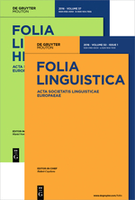
FOLIA LINGUISTICA
Bridging Theory and Practice in Linguistic ScholarshipFOLIA LINGUISTICA, published by WALTER DE GRUYTER GMBH, is a premier scholarly journal dedicated to the field of linguistics. Established in 1967, the journal has consistently provided a platform for innovative research and scholarly discourse in language and linguistics, contributing significantly to the academic community's understanding of language structures, usage, and cognitive processes. With its classification in the top quartile (Q1) of linguistics and language in 2023, FOLIA LINGUISTICA holds a respectable rank (#282/1088) within the Arts and Humanities category and an admirable percentile rank of 74th, ensuring its position at the forefront of linguistic scholarship. Researchers and academics from around the globe can access a wealth of knowledge and cutting-edge research findings through this esteemed publication, which is vital for anyone looking to engage with the latest advancements in linguistics. Located in Berlin, Germany, FOLIA LINGUISTICA encompasses all aspects of language research, making it an indispensable resource for researchers, professionals, and students alike seeking to deepen their understanding of language and its complexities.
International Journal of Corpus Linguistics
Empowering Scholars to Decode LanguageThe International Journal of Corpus Linguistics, published by John Benjamins Publishing Co, is a premier academic journal dedicated to advancing the field of corpus linguistics. With an ISSN of 1384-6655 and an E-ISSN of 1569-9811, this journal serves as a pivotal platform for researchers and practitioners alike to explore the intricate relationships between language and corpora. Housed in the Netherlands and operating within the prestigious Q1 category in Linguistics and Language, the journal boasts impressive Scopus rankings, positioning it in the top percentiles of both Arts and Humanities and Social Sciences. Its commitment to rigorous peer-reviewed scholarship not only enhances understanding in the domain but also fosters collaboration among scholars. With coverage spanning from 1996 to 2024, the journal publishes cutting-edge research that contributes valuable insights into linguistic patterns and empirical studies. Whether you're an established researcher or a student embarking on your academic journey, the International Journal of Corpus Linguistics is an essential resource for anyone seeking to deepen their understanding of language through corpora.