
Sanat Tarihi Dergisi-Journal of Art History
Scope & Guideline
Cultivating Knowledge in Art and Culture
Introduction
Aims and Scopes
- Exploration of Turkish and Ottoman Art:
The journal emphasizes research on Turkish and Ottoman art, including architecture, painting, and decorative arts, providing a historical context and analysis of their development. - Interdisciplinary Approaches:
Utilizing methodologies from various disciplines such as history, anthropology, and cultural studies, the journal encourages a comprehensive understanding of art within its cultural and historical frameworks. - Focus on Conservation and Restoration:
There is a strong emphasis on the conservation and restoration of historical artifacts and architecture, showcasing research that highlights preservation techniques and challenges. - Cultural Exchange and Influence:
The journal investigates the interactions between different cultures, particularly how Islamic art has influenced and been influenced by other artistic traditions throughout history. - Contemporary Art Analysis:
In addition to historical art, the journal also addresses contemporary art movements, critically analyzing their significance and the socio-political contexts in which they exist.
Trending and Emerging
- Integration of Contemporary Art:
There is a growing trend towards integrating contemporary art discussions, particularly regarding its socio-political implications and the influence of global movements on local practices. - Architectural Studies:
An increase in research focusing on architectural history, especially concerning Ottoman and Islamic architecture, reflects a renewed interest in spatial studies and the built environment. - Digital Humanities in Art History:
The incorporation of digital tools and methodologies in art historical research is on the rise, indicating a shift towards more innovative approaches in analyzing art and its contexts. - Gender Studies in Art:
Emerging themes around gender representation and feminist critiques within art history are gaining traction, with more papers addressing the role of women in art and the portrayal of gender in artistic practices. - Cultural Heritage and Identity:
Research exploring cultural heritage and its connection to national and personal identities has become increasingly prominent, reflecting contemporary concerns about cultural preservation and representation.
Declining or Waning
- Traditional Craftsmanship:
Research related to traditional crafts and artisanship has become less prominent, as the journal has shifted towards broader themes of modernity and contemporary practices. - Narrow Regional Studies:
There has been a decline in studies focusing solely on narrow regional art histories, as scholars increasingly prefer to adopt a more global or comparative approach to art history. - Historical Texts Analysis:
The analysis of historical texts and their direct relationship to art has waned, with fewer papers addressing the textual traditions surrounding art history. - Iconography Studies:
Interest in detailed iconographic studies has diminished, possibly due to the journal's shift towards broader thematic explorations rather than specific iconographic analysis. - Limited Focus on Minor Arts:
There is a noticeable reduction in the coverage of minor arts, such as decorative arts and crafts, which were once a staple of the journal's publications.
Similar Journals

REVUE DE L ART
Unveiling Innovative Perspectives on Artistic PracticesREVUE DE L'ART, published by EDITIONS C N R S, is a significant scholarly journal that focuses on the diverse realms of visual arts and performing arts. With an ISSN of 0035-1326, the journal serves as a vital forum for researchers, professionals, and students, engaging them in contemporary discourses surrounding artistic practices and critical theories. While it currently holds a Q4 ranking in the Visual Arts and Performing Arts category for 2023, with a Scopus ranking of #578 out of 667, REVUE DE L'ART emphasizes the importance of innovative research and interdisciplinary studies in the arts. Although it is not an open access publication, the journal ensures that high-quality scholarship remains accessible to professionals and student communities in France and beyond. The journal’s commitment to artistic investigation and analysis continues to contribute significantly to the understanding of art within historical and contemporary contexts, making it a crucial resource for anyone engaged in these fields.
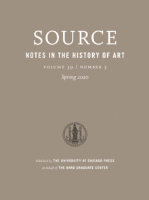
SOURCE-NOTES IN THE HISTORY OF ART
Exploring the Depths of Art HistorySOURCE-NOTES IN THE HISTORY OF ART is a vital publication in the field of visual arts and performing arts, managed by the prestigious University of Chicago Press. With its ISSN 0737-4453 and E-ISSN 2328-207X, the journal serves as a scholarly platform for researchers, professionals, and students who are passionate about exploring the intricacies of art history. Although it currently holds a Q4 ranking in 2023, it provides a unique contribution by documenting and analyzing various dimensions of artistic endeavors, from historical references to contemporary practices. Despite being a newer entrant in the academic landscape, its focus on detailed source notes allows for deeper understanding and connections within art scholarship. Situated in the heart of Chicago, a city rich in artistic heritage, this journal is committed to promoting critical discourse and fostering awareness of the evolving narratives in art history. As the journal continues to cultivate rigorous academic dialogue, it stands as an essential resource for those dedicated to advancing and enriching the study of the arts.
Experiment-A Journal of Russian Culture
Exploring the Depths of Russian HeritageExperiment-A Journal of Russian Culture is a distinctive publication dedicated to exploring the multifaceted dimensions of Russian culture, encompassing literature, art, and social history. Published by BRILL, a respected name in academic publishing, this journal provides a platform for original research and insightful discourse, fostering a deeper understanding of Russia's rich cultural heritage. With an ISSN of 1084-4945 and an E-ISSN of 2211-730X, the journal is organized in a quarterly format, although it has seen varied publication years from 1996 through 2023. While it currently holds a Q4 ranking in both Cultural Studies and Visual Arts and Performing Arts, its commitment to interdisciplinary inquiry makes it a vital resource for researchers, professionals, and students interested in contemporary and historical Russian cultural phenomena. Despite its modest impact factors, the journal remains an essential platform for the dissemination of critical perspectives and theoretical frameworks, contributing to the ongoing dialogue about Russian identity and its artistic representations. The journal is available in print and may have limited digital access options, making it all the more precious for collectors and libraries committed to cultural studies.

ART IN AMERICA
Critiquing Trends, Celebrating VoicesART IN AMERICA is a prominent journal dedicated to the exploration and critique of contemporary visual arts and practices within the United States and beyond. Published by BRANT PUBL, INC, the journal serves as an authoritative platform for scholars, artists, and enthusiasts alike, fostering vibrant dialogue and insightful analysis in the field of art. With an ISSN of 0004-3214 and a legacy dating back to 1979, ART IN AMERICA has established itself within the Q4 category of Visual Arts and Performing Arts according to the 2023 category quartiles. Although the journal currently does not offer Open Access options, it remains accessible to a diverse readership through its distribution across libraries and institutions. The journal's significance is underscored by its ability to spotlight emerging trends, critique canonical works, and promote diverse artistic voices amidst a constantly evolving cultural landscape. Researchers, professionals, and students will find ART IN AMERICA not only a valuable resource for scholarly discourse but also an essential guide to understanding the complexities and intricacies of the American art scene.
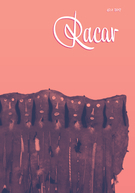
RACAR-REVUE D ART CANADIENNE-CANADIAN ART REVIEW
Illuminating Canada's Artistic HeritageRACAR - Revue d'Art Canadienne (Canadian Art Review), published by the University Art Association of Canada, stands as a pivotal academic journal in the field of Canadian art history and cultural studies. With its ISSN 0315-9906 and E-ISSN 1918-4778, RACAR serves as a vital platform for scholarly research and discourse, aiming to illuminate the rich tapestry of Canada's artistic heritage. Although not an open-access journal, it is committed to disseminating high-quality peer-reviewed articles that contribute to the ongoing dialogue about art in Canada. The journal's focus encompasses a diverse range of topics, from contemporary visual arts to historical investigations, appealing to researchers, professionals, and students alike. Based at the Department of History in Art at University of Victoria, RACAR fosters a critical understanding of Canadian art within broader national and global contexts, making it an essential resource for anyone engaged in this vibrant field of study.

Sztuka i Dokumentacja-Art & Documentation
Exploring the Intersection of Art and DocumentationSztuka i Dokumentacja-Art & Documentation is a pioneering open-access journal published by ACAD FINE ARTS GDANSK, focusing on the intersections of art, documentation, and artistic practices. Since its inception in 2009, this journal has committed itself to fostering a vibrant scholarly discourse within the fields of art history, visual documentation, and cultural criticism. With an ISSN of 2080-413X, it provides a platform for researchers, practitioners, and students to contribute to and access high-quality artistic research and theoretical investigations. The journal's open-access model ensures that studies are readily available to a global audience, promoting the dissemination of innovative ideas and dialogue in the contemporary art world. With its dedication to advancing the understanding of art through rigorous documentation and research, Sztuka i Dokumentacja serves as an essential resource for anyone seeking to explore the dynamic and multifaceted relationship between art and its documentation.

Kunstiteaduslikke Uurimusi
Illuminating Estonia's Rich Artistic HeritageKunstiteaduslikke Uurimusi is a notable academic journal published by the Estonian Society Art Historians, dedicated to the exploration and analysis of art and cultural studies within the vibrant context of Estonia and beyond. With an ISSN of 1406-2860, this journal offers a platform for researchers, professionals, and students to disseminate their findings and engage in meaningful discourse in the fields of Arts and Humanities and Cultural Studies. Although it occupies a fourth quartile ranking in both fields, the journal's commitment to fostering scholarly dialogue is evident through its open access provision, facilitating the sharing of knowledge across disciplines. Covering a broad spectrum of art historical themes since its inception, Kunstiteaduslikke Uurimusi aims to contribute to the understanding of artistic practices and cultural phenomena, making it an essential resource for those interested in the intersections of art, culture, and society. The journal continues to evolve, with coverage extending from 2011 to 2024, reflecting the dynamic nature of the arts and cultural sectors.
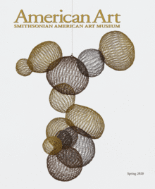
American Art
Advancing Scholarship in the Visual Arts LandscapeAmerican Art, published by University of Chicago Press, is a leading journal in the fields of cultural studies and visual arts, with a notable impact in both academic and professional circles. Since its inception in 1996, the journal has provided a robust platform for scholarly discourse, showcasing a diverse array of research that examines the evolution, context, and significance of American art and its cultural implications. With an impressive Q2 ranking in Visual Arts and Performing Arts and a Q3 ranking in Cultural Studies for 2023, American Art remains a vital resource for researchers, professionals, and students alike, facilitating a deeper understanding of the intricacies within American artistic practices. While currently not offering open access, the journal is accessible through various academic databases, ensuring reach to a wide audience dedicated to the intersection of art and culture. The journal's commitment to innovative scholarship makes it an indispensable resource for anyone seeking to explore the dynamic landscape of American art.

Taida Journal of Art History
Exploring the rich tapestry of Taiwan's artistic heritage.Taida Journal of Art History, published by NATIONAL TAIWAN UNIVERSITY, GRADUATE INSTITUTE OF ART, is a pioneering academic journal dedicated to the exploration and critique of art history, particularly within the unique cultural context of Taiwan. Since its inception in 2018, the journal has become an important platform for scholarly discourse, offering insights into the evolution of visual arts and performing arts, alongside comprehensive studies in history. With an ISSN of 1023-2095, it currently ranks within the Q4 category in Arts and Humanities (Miscellaneous) and the Q3 category in History and Visual Arts and Performing Arts, indicating its growing influence in these fields. Researchers, professionals, and students alike can benefit from its rigorous peer-reviewed articles that bridge theoretical frameworks with practical applications, making it an essential resource for those engaged in the arts and humanities. This commitment to fostering academic excellence is reflected in its Scopus rankings, where it stands at Rank #338/667 in Visual Arts and Performing Arts and Rank #1027/1760 in History. Engage with the Taida Journal of Art History to gain deeper insights into the evolving narratives of artistic expression.
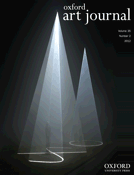
OXFORD ART JOURNAL
Illuminating the Intersection of History and ArtOxford Art Journal, published by Oxford University Press, serves as a vital platform for scholarly discourse in the fields of History, Visual Arts, and Performing Arts. With an ISSN of 0142-6540 and an E-ISSN of 1741-7287, this esteemed journal has cultivated a rich academic presence since its inception, reflecting a deep commitment to exploring the intricacies of art history and contemporary visual culture. Holding a Q2 ranking in Visual Arts and Performing Arts and a Q3 ranking in History for the year 2023, the journal features rigorous peer-reviewed articles that push the boundaries of research and offer new insights into artistic practices. Although not offering open access, the journal is widely respected for its contributions to the academic community, making it invaluable for researchers, professionals, and students deeply engaged in art studies. For those seeking a comprehensive understanding of the visual arts landscape, the Oxford Art Journal remains an indispensable resource.