Transportation in Developing Economies
Scope & Guideline
Driving research on transportation challenges and innovations.
Introduction
Aims and Scopes
- Sustainable Transportation Solutions:
Research aimed at developing sustainable transportation options suitable for developing economies, including electric vehicles, public transit improvements, and non-motorized transport. - Economic Impacts of Transportation:
Studies examining the economic implications of transportation policies, investment in infrastructure, and the role of transportation in economic development. - Traffic Safety and Management:
Research focused on improving road safety, analyzing traffic accidents, and developing effective traffic management strategies to reduce congestion and enhance mobility. - Technological Innovations in Transportation:
Exploration of new technologies such as IoT applications, machine learning, and data analytics to optimize transportation systems and enhance operational efficiency. - Socio-Environmental Interactions:
Investigating the social and environmental dimensions of transportation, including the effects of urban planning, land use, and community engagement on transport systems.
Trending and Emerging
- Electric and Alternative Fuel Vehicles:
There is a growing focus on the adoption and impact of electric vehicles and alternative fuels, reflecting global trends towards sustainability and the reduction of carbon emissions. - Data-Driven Decision Making:
Utilization of advanced data analytics and machine learning techniques is on the rise, enabling better forecasting and modeling in transportation research. - Impact of COVID-19 on Transportation:
Research exploring the effects of the COVID-19 pandemic on transportation systems, user behavior, and logistics is increasingly relevant, highlighting the need for resilience in transport services. - Integration of Smart Technologies:
The application of smart technologies, such as IoT in public transport systems, is emerging as a key area of research, emphasizing the importance of smart city initiatives. - Social Equity in Transportation:
Emerging studies focus on the social implications of transportation policies, ensuring inclusivity and equitable access to transportation services for all community members.
Declining or Waning
- Traditional Transportation Modes:
Research focusing primarily on conventional transportation modes, such as buses and taxis, has seen a decline as the emphasis shifts towards sustainable and innovative solutions like electric vehicles. - Simple Traffic Flow Studies:
Basic studies on traffic flow without considering socio-economic or technological factors are becoming less relevant as more complex models and analyses are favored. - Static Infrastructure Analysis:
Research centered on static infrastructure without integrating dynamic factors such as user behavior or real-time data analytics is waning in favor of more integrated approaches. - Historical Transportation Policies:
Analysis of outdated transportation policies is decreasing as current research focuses on adaptive strategies and innovative frameworks that respond to contemporary challenges.
Similar Journals
International Journal of Sustainable Transportation
Empowering Change for a Sustainable Transit FutureInternational Journal of Sustainable Transportation, published by Taylor & Francis Inc, stands at the forefront of research in sustainable mobility, addressing critical challenges within the fields of engineering, environmental science, and urban planning. With ISSN 1556-8318 and E-ISSN 1556-8334, this journal is recognized for its exceptional quality, evidenced by its Q1 rankings across multiple categories including Automotive Engineering, Civil and Structural Engineering, Environmental Engineering, and Transportation, as well as a notable presence in Renewable Energy and Sustainability. Its impact is further amplified by impressive Scopus rankings, securing top positions in various fields, ensuring that it serves as a pivotal resource for researchers, practitioners, and policymakers dedicated to advancing sustainable transportation solutions. The journal actively disseminates cutting-edge research that informs sustainable practices worldwide, thus contributing to the development of greener transportation methods. As it continues its mission from 2007 to 2024, International Journal of Sustainable Transportation remains essential for anyone looking to explore innovative approaches to the transportation challenges of our time.

Journal of Transportation Engineering Part A-Systems
Pioneering Research for Efficient and Sustainable InfrastructureThe Journal of Transportation Engineering Part A-Systems, published by the American Society of Civil Engineers (ASCE), is a cutting-edge, peer-reviewed journal dedicated to the advancement of knowledge in the field of transportation systems. With an ISSN of 2473-2907 and an E-ISSN of 2473-2893, this journal serves as a crucial resource for researchers, professionals, and students interested in the intricate interplay between civil engineering and transportation networks. Boasting a Q2 ranking in both the Civil and Structural Engineering and Transportation categories, this journal reflects the high-quality research contributing to these vital disciplines. Accessible through open-access options, the journal provides a platform for innovative ideas and research findings from 2017 to 2024, aiming to address contemporary challenges in transportation systems while fostering interdisciplinary collaboration. As an essential outlet for scholarly work in the United States and beyond, the Journal of Transportation Engineering Part A-Systems is committed to enhancing the understanding of complex transportation dynamics and the development of sustainable and efficient infrastructures.
Journal of Intelligent Transportation Systems
Driving Innovation in Intelligent Transportation SystemsThe Journal of Intelligent Transportation Systems is a premier peer-reviewed journal published by Taylor & Francis Inc, focusing on cutting-edge research in the fields of transportation systems and intelligent technologies. With an ISSN of 1547-2450 and an E-ISSN of 1547-2442, this journal stands out with its impressive impact, consistently ranking in the Q1 Quartile across multiple categories such as Aerospace Engineering, Applied Mathematics, and Automotive Engineering, among others. As of 2023, it holds distinguished Scopus rankings, including a remarkable #11 position in Aerospace Engineering, showcasing its significance in shaping contemporary research in intelligent transportation. Targeted at researchers, professionals, and students alike, the journal provides a forum for the dissemination of innovative ideas and technologies that enhance transportation systems’ efficiency, safety, and sustainability. The Journal of Intelligent Transportation Systems has been operating since 2004 and continues to play a vital role in advancing knowledge within its respective areas of study within the United Kingdom and globally.

Communications in Transportation Research
Fostering a global dialogue on transportation advancements.Communications in Transportation Research is a premier open access journal published by ELSEVIER, dedicated to advancing the understanding of transportation systems and their integration within the broader contexts of engineering, decision sciences, and social sciences. Launched in 2021, this journal has quickly established itself as a leading platform for innovative research, achieving impressive rankings in its categories, including Q1 status in Control and Systems Engineering, Decision Sciences, and Transportation. With its comprehensive scope, covering areas from fundamental engineering principles to applied decision-making processes, the journal attracts a diverse audience of researchers, professionals, and students eager to contribute to and learn from cutting-edge studies that shape the future of transportation. The journal’s commitment to open access ensures that valuable insights and data are freely available, fostering collaboration and knowledge sharing across the global research community.

ITE JOURNAL-INSTITUTE OF TRANSPORTATION ENGINEERS
Pioneering Research for a Sustainable Transportation FutureITE JOURNAL - INSTITUTE OF TRANSPORTATION ENGINEERS is a distinguished publication that serves as a vital resource in the fields of Automotive Engineering and Mechanical Engineering, bridging the gap between research and practical application in transportation systems. Published by the Institute of Transportation Engineers in the United States, this journal has been contributing to the academic discourse since 1978 and continues to be a relevant platform for innovative research and insights. The journal currently holds a Q4 ranking in both Automotive Engineering and Mechanical Engineering categories, reflecting its niche but impactful presence in the Scopus database. Although the journal is not open access, it remains a critical outlet for researchers and professionals looking to advance their knowledge and influence practices in transportation engineering. With its commitment to disseminating quality research, the ITE Journal is a must-read for anyone involved in the transportation sector seeking to stay ahead in this dynamic field.
IATSS Research
Fostering collaboration for transformative safety solutions.IATSS Research, published by Elsevier Science Ltd, stands as a premier open-access journal at the intersection of engineering, safety research, urban studies, and transportation. Established in 2000, this esteemed journal caters to a diverse audience of researchers, industry professionals, and students eager to delve into innovative research that addresses pressing societal challenges. With an impressive impact factor and a consistent demonstration of high-quality scholarship, IATSS Research has achieved notable rankings within Scopus, including a top-tier position in Safety Research (Rank #13/109, 88th percentile) and Engineering (Rank #46/307, 85th percentile). The journal has evolved significantly since its inception, reflecting the dynamic nature of its converged fields from 2008 to 2024. By embracing open access, IATSS Research amplifies the reach of critical findings and fosters collaboration across disciplines, making it an invaluable resource for anyone invested in advancing knowledge and practices in modern engineering and urban safety.
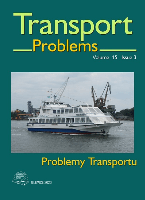
Transport Problems
Unlocking Insights in Transportation Systems and TechnologiesTransport Problems, published by the Silesian University of Technology, Faculty of Transport, is a distinguished open-access journal that has been advancing scholarship in the fields of Automotive Engineering, Mechanical Engineering, and Transportation since its inception in 2007. With an ISSN of 1896-0596 and an E-ISSN of 2300-861X, this journal serves as a vital platform for researchers and practitioners to disseminate innovative research findings and explore fundamental issues in transport systems and technologies. Based in Poland, the journal covers various topics including transportation logistics, vehicle dynamics, and environmental impacts, thereby addressing critical challenges faced in the transportation sector globally. As reflected in its Scopus rankings, the journal occupies respectable quartiles and continues to contribute valuable insights to the academic community. By making its content freely accessible, Transport Problems significantly enhances the ability of researchers and students alike to engage with the latest developments in transport engineering and contribute to this ever-evolving field.
TRANSPORTATION RESEARCH RECORD
Innovating Solutions for Tomorrow's InfrastructureTRANSPORTATION RESEARCH RECORD is a premier journal published by SAGE PUBLICATIONS INC, focusing on the latest advancements and research in the fields of civil and structural engineering as well as mechanical engineering. Since its inception in 1974, this journal has become an essential platform for disseminating innovative methodologies, case studies, and comprehensive reviews that address critical issues in transportation systems and infrastructure. With a respectable Q2 ranking in both engineering categories as of 2023, it solidifies its position among reputable publications, catering to a diverse range of scholars, professionals, and students. The journal not only facilitates access to high-quality research but also plays a pivotal role in shaping policy and practice through its robust findings. For those invested in the engineering disciplines, particularly within the transportation domain, TRANSPORTATION RESEARCH RECORD is an invaluable resource, with a wide array of topics covered throughout converged years, from 1974 to 1990, and from 1993 to 2024, ensuring a comprehensive exploration of historical and contemporary challenges in transportation.

Transportation Safety and Environment
Connecting research with real-world transportation challenges.Transportation Safety and Environment is an esteemed open-access journal published by Oxford University Press, dedicated to advancing the field of transportation safety and environmental sustainability. Since its inception in 2019, the journal has rapidly gained recognition with an impressive Q2 category ranking in Control and Systems Engineering, Engineering (miscellaneous), and Safety, Risk, Reliability and Quality as of 2023. With an E-ISSN of 2631-4428, it provides a platform for high-quality research that addresses critical safety challenges and environmental impact within the transportation sector, covering a wide array of topics from vehicle safety measures to ecological considerations in transportation infrastructure. The journal’s open-access model promotes widespread distribution and accessibility of research findings, enabling researchers, professionals, and students to engage with the latest advancements and contribute to future developments in the field. Located in the heart of the United Kingdom at Great Clarendon St, Oxford OX2 6DP, England, Transportation Safety and Environment stands at the forefront of fostering innovative solutions for safer and more sustainable transportation practices worldwide.
JOURNAL OF ADVANCED TRANSPORTATION
Innovative Research for Evolving Transportation NeedsJOURNAL OF ADVANCED TRANSPORTATION, published by WILEY-HINDAWI, stands as a pivotal platform in the fields of automotive engineering, computer science applications, economics, mechanical engineering, and strategy and management. With an impressive impact factor and positioned in the Q2 quartile across multiple categories as of 2023, this open-access journal offers researchers, professionals, and students unparalleled opportunities to disseminate and access cutting-edge research. Operating under an open access model since 2017, the journal fosters global collaboration and knowledge exchange, encouraging innovative solutions to contemporary transportation challenges. Its comprehensive scope, spanning converged years from 1979 to 2024, reflects its commitment to addressing the evolving landscape of transport systems worldwide. Researchers from diverse disciplines are invited to contribute transformative studies that advance the field and inspire future endeavors.