
Advancements of Microbiology
metrics 2024
Pioneering Innovations in Microbiology Research
Introduction
Advancements of Microbiology, published by the Polish Society of Microbiologists, serves as a vital resource for researchers and professionals in the field of microbiology. With an ISSN of 0079-4252 and an E-ISSN of 2545-3149, this esteemed journal provides Open Access content, facilitating the dissemination of innovative scientific research since 2018. Although coverage in Scopus has been discontinued since 2018, the journal is recognized for its historical contributions, ranging from 1973 to 1982 and 1999 to 2018. Positioned within the Microbiology (medical) category, it currently ranks #97 out of 110, while its standing in Immunology and Microbiology reflects a rank of #127 among 140 journals. Advancements of Microbiology emphasizes cutting-edge findings and applications, catering to an audience dedicated to advancing knowledge and practice in the ever-evolving microbiological landscape.
Metrics 2024
 -0.300.50-
Metrics History
Rank 2024
Scopus
IF (Web Of Science)
JCI (Web Of Science)
Quartile History
Similar Journals
MicrobiologyOpen
Elevating microbiological discourse through shared knowledge.MicrobiologyOpen is a prestigious, open access journal published by WILEY, dedicated to advancing the field of microbiology. Since its inception in 2012, this journal has firmly established itself as a significant platform for researchers, professionals, and students alike, facilitating the dissemination of high-quality research findings across a wide range of microbiological disciplines. With an impressive impact factor and a ranking in the 76th percentile of Scopus for immunology and microbiology, MicrobiologyOpen offers a robust forum for innovative studies, reviews, and compelling insights that push the boundaries of scientific understanding. The journal's commitment to open access ensures that groundbreaking research is freely available to the global community, fostering collaboration and knowledge-sharing. As it continues to evolve until 2024, MicrobiologyOpen remains pivotal for anyone looking to stay at the forefront of microbiological research.
Future Microbiology
Transforming Knowledge into Microbiological BreakthroughsFuture Microbiology is a leading journal in the field of microbiology, published by FUTURE MEDICINE LTD in the United Kingdom. Since its inception in 2006, it has aimed to provide a comprehensive forum for the advancement of knowledge in microbiological research, particularly within the medical domain. With its current impact factor classifications placing it in Q3 for general microbiology and Q2 for medical microbiology as of 2023, it has established itself as a significant contributor to scientific discourse. The journal, featuring ISSN 1746-0913 and E-ISSN 1746-0921, actively engages researchers, professionals, and students, presenting them with novel insights and findings that enhance our understanding of microbial science. The publication is designed not only to showcase innovative research but also to foster collaborations and discussions across disciplines. While currently not offering open access, Future Microbiology remains committed to disseminating high-quality content that informs and inspires the ongoing exploration of microbiology and its critical role in healthcare.
JOURNAL OF MICROBIOLOGY
Connecting global minds in the realm of microbiology.JOURNAL OF MICROBIOLOGY, published by the Microbiological Society Korea, is a prestigious peer-reviewed journal dedicated to the advancement of knowledge in the fields of microbiology, applied microbiology, and biotechnology. Established in 1996, this journal serves as a vital platform for researchers and professionals from around the globe to disseminate their findings and engage in multidisciplinary discussions pertaining to microbial sciences. With an H-index that reflects its impact, the journal holds a commendable Q2 ranking in key categories including Applied Microbiology and Biotechnology, as well as Medicine (Miscellaneous), which underscores its significance in the academic community. Despite being a subscription-based journal, the JOURNAL OF MICROBIOLOGY aims to contribute to the understanding of microbial processes and their applications, facilitating advancements that are essential in health, industry, and environmental sciences. Researchers, students, and practitioners are encouraged to explore this rich resource for the latest research and trends in microbiology.
INDIAN JOURNAL OF MICROBIOLOGY
Pioneering Research at the Microbial FrontierINDIAN JOURNAL OF MICROBIOLOGY, published by Springer, serves as a vital platform for the dissemination of cutting-edge research in the field of microbiology. With an ISSN of 0046-8991 and an E-ISSN of 0973-7715, this esteemed journal invites contributions that span various disciplines within microbiology, encompassing both fundamental studies and applied research that can impact health, environment, and industry. Recognized in the Q3 category in Microbiology for 2023, and ranking #80 out of 182 in Scopus’ Microbiology category, it reflects its commitment to quality and significance in the academic community. Authors and researchers benefit from the journal's comprehensive review process, which enhances the visibility and reach of their work. While no open access options are currently offered, the INDIAN JOURNAL OF MICROBIOLOGY remains a premier choice for those aiming to contribute to the ongoing dialogue in microbiological studies, ensuring that knowledge continues to evolve and thrive.
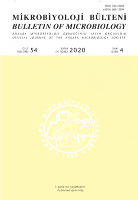
MIKROBIYOLOJI BULTENI
Pioneering Insights in Immunology and MicrobiologyMIKROBIYOLOJI BULTENI, with ISSN 0374-9096, is a prestigious academic journal published by the ANKARA MICROBIOLOGY SOC, located in Ankara, Turkey. Established in 1973, this journal has been a vital conduit for disseminating research in the fields of Immunology, Microbiology, and Infectious Diseases, garnering a reputation as a significant contributor to the scientific community. The journal is currently ranked in the Q3 category within Immunology and Microbiology (miscellaneous), and Infectious Diseases, indicating its impactful presence amidst contemporary research. With access options that may be restricted, MIKROBIYOLOJI BULTENI actively welcomes submissions that advance the understanding of critical microbiological principles and practices, thereby supporting both national and international research efforts. Researchers, professionals, and students are encouraged to explore the latest findings shared in this journal, as it continually shapes the landscape of microbiology and infectious disease studies through its comprehensive and rigorous peer-reviewed publications.

CRITICAL REVIEWS IN MICROBIOLOGY
Advancing Knowledge in Microbial ScienceCRITICAL REVIEWS IN MICROBIOLOGY, published by Taylor & Francis Ltd, is a leading peer-reviewed journal that has made significant contributions to the field of microbiology since its inception in 1971. With a prestigious Q1 ranking in Applied Microbiology and Biotechnology, as well as in Medicine and Microbiology, this journal is recognized for its high-quality reviews that synthesize current research and emerging trends in the discipline. Researchers and professionals rely on its comprehensive evaluations and critical insights, helping to advance knowledge and application in various microbiological contexts. Although the journal does not currently operate under an open access model, it remains an invaluable resource for academics seeking to stay at the forefront of microbiological advances. With a consistent publication record, CRITICAL REVIEWS IN MICROBIOLOGY continues to support the scholarly community by addressing key issues and innovations within the field.
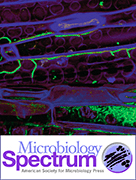
Microbiology Spectrum
Bridging disciplines in the realm of microbiological studies.Microbiology Spectrum is a prominent peer-reviewed journal published by the American Society for Microbiology, dedicated to advancing the field of microbiology through the dissemination of high-quality research. Since its inception in 2013 and continuing until 2024, the journal has established a strong presence in key domains such as microbiology, immunology, cell biology, and ecology, achieving impressive quartile rankings including Q1 in Infectious Diseases and Q1 in Immunology and Microbiology as of 2023. With an emphasis on open access to its scholarly content, Microbiology Spectrum aims to foster collaboration and knowledge sharing among researchers, professionals, and students alike. The journal's scope encompasses a diverse range of topics pertinent to the field, making it an essential resource for anyone involved in microbiological research and its applications. Researchers looking to publish their findings in a respected journal will find Microbiology Spectrum's robust impact factor and Scopus rankings serve as testament to its significance and influence within the academic community.
MICROBIOLOGY
Uncovering the Hidden World of MicroorganismsMICROBIOLOGY (ISSN: 0026-2617, E-ISSN: 1608-3237), published by MAIK NAUKA/INTERPERIODICA/SPRINGER, is a pivotal journal in the field of microbiological research, operating from the vibrant hub of New York, United States. With a focus on the intricate relationships and functionalities of microorganisms, MICROBIOLOGY serves as an essential resource for professionals and researchers dedicated to advancing the knowledge of applied microbiology and biotechnology. As of 2023, it holds a competitive Q3 and Q4 category ranking in Applied Microbiology and Biotechnology and Microbiology, respectively, reflecting its commitment to high-quality and impactful research. Although currently not open access, the journal extends comprehensive insights into critical topics that span environmental microbiology, clinical applications, and biotechnology advancements, making it a vital platform for disseminating innovative findings in this ever-evolving discipline. Researchers and students alike will find MICROBIOLOGY to be an invaluable addition to their academic and professional repertoire.
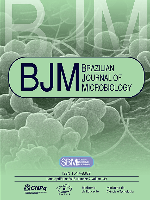
BRAZILIAN JOURNAL OF MICROBIOLOGY
Bridging Health and Environment Through MicrobiologyThe BRAZILIAN JOURNAL OF MICROBIOLOGY, published by SPRINGER, stands as a pivotal platform in the field of microbiology, offering an open access model since 2000. With the ISSN 1517-8382 and E-ISSN 1678-4405, this esteemed journal encourages the dissemination of groundbreaking research and innovative methodologies that contribute to the understanding of microbial life, its role in health and disease, and its environmental impact. Based in Switzerland and accessible globally, the journal’s categorization in the Q3 quartile for Microbiology reflects its commitment to quality and relevance in the scientific community. As of 2023, it ranks 121 out of 182 in the Scopus listings for Microbiology, further highlighting its growing influence in immunology and microbiological research. With converged years spanning from 1992 to 2024, the journal continues to support a diverse range of studies, making it an invaluable resource for researchers, professionals, and students alike.
MICROBIOLOGY AND MOLECULAR BIOLOGY REVIEWS
Connecting Research and Discovery in Microbiology and Molecular BiologyMICROBIOLOGY AND MOLECULAR BIOLOGY REVIEWS, published by the American Society for Microbiology, is a premier journal dedicated to advancing the fields of microbiology and molecular biology. With an impressive impact factor reflective of its Q1 ranking in categories such as Immunology, Infectious Diseases, and Molecular Biology, this journal consistently showcases high-quality, peer-reviewed articles that contribute to the current understanding of microbial life and molecular mechanisms. Operating since 1997, the journal aims to bridge the gap between microbiological methods and molecular biology applications, making it an essential resource for researchers, professionals, and students alike. Readers can access content through various platforms, ensuring that the latest findings are readily available to the scientific community. With its esteemed reputation, MICROBIOLOGY AND MOLECULAR BIOLOGY REVIEWS remains a leading voice in the exploration of the life sciences, catering to a broad audience deeply invested in unraveling the complexities of microbial and molecular systems.