
Applied Food Biotechnology
metrics 2024
Innovating for a safer, healthier food future.
Introduction
Applied Food Biotechnology is a dynamic and engaging open-access journal dedicated to the interdisciplinary field of food biotechnology, published by Shahid Beheshti University of Medical Sciences, Faculty of Medicine. Since its inception in 2014, this journal has provided a platform for the dissemination of cutting-edge research that combines aspects of applied microbiology, biotechnology, and food science, significantly contributing to advancements in food safety, processing, and nutritional enhancement. With an impressive impact factor, the journal ranks Q3 in multiple relevant categories, including Applied Microbiology and Biotechnology, Biotechnology, and Food Science in 2023, highlighting its influence within these fields. The journal's scope encourages innovative studies that investigate the utilization of biological processes in food technology, aiming to foster both scientific inquiry and practical applications across diverse demographics. With its commitment to open access, Applied Food Biotechnology ensures that all research findings are readily available to researchers, professionals, and students globally, enhancing collaboration and knowledge sharing. Located in Tehran, Iran, this journal serves as a vital resource for anyone invested in the future of food biotechnology.
Metrics 2024
 0.272.602.8024
Metrics History
Rank 2024
Scopus
IF (Web Of Science)
JCI (Web Of Science)
Quartile History
Similar Journals
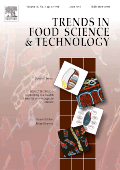
TRENDS IN FOOD SCIENCE & TECHNOLOGY
Driving excellence in food technology and biotechnology.Trends in Food Science & Technology, published by Elsevier Science London, stands as a premier journal in the fields of food science and biotechnology. With an impressive Q1 ranking in both the food science and biotechnology categories, it is recognized for its rigorous peer-reviewed articles that advance knowledge and innovation in the sector. The journal’s Scopus rankings validate its significance, placing it in the top percentile among its peers, with a remarkable rank of #2 out of 389 in Agricultural and Biological Sciences - Food Science, and #4 out of 311 in Biochemistry, Genetics, and Molecular Biology - Biotechnology. Since its inception in 1990, the journal has become a vital resource for researchers, professionals, and students alike, offering insights into contemporary challenges and trends impacting food technology. Although it operates under a subscription model, the quality of research published within its pages makes it an essential read for anyone involved in advancing the science of food.
JOURNAL OF FOOD PROCESSING AND PRESERVATION
Transforming Knowledge into Action in Food PreservationJOURNAL OF FOOD PROCESSING AND PRESERVATION, published by Wiley-Hindawi, stands as a vital resource within the fields of Food Science, Chemical Engineering, and Chemistry. With an ISSN of 0145-8892 and an E-ISSN of 1745-4549, the journal has been a beacon of knowledge since its inception in 1977, continuing to provide valuable insights to the research community until 2024. Recognized for its quality, it holds a noteworthy Q2 ranking in 2023 across multiple categories, including Food Science and Chemical Engineering, indicating its influential contribution to the academic discourse. Although it offers no open access, the journal remains a crucial platform for disseminating groundbreaking research and innovative methodologies in food processing and preservation. Researchers, professionals, and students can significantly benefit from its comprehensive reviews, original research articles, and case studies, aimed at advancing knowledge and practices in food technology. By bridging the gap between theoretical advancements and practical applications, the JOURNAL OF FOOD PROCESSING AND PRESERVATION plays an essential role in addressing global food safety, sustainability, and quality challenges.

Izvestiya Vuzov-Prikladnaya Khimiya i Biotekhnologiya
Advancing Applied Chemistry and Biotechnology TogetherIzvestiya Vuzov-Prikladnaya Khimiya i Biotekhnologiya, published by Irkutsk National Research Technical University, is a prominent open-access journal dedicated to advancing the fields of applied chemistry and biotechnology. Since its inception in 2011, this journal has provided a platform for the dissemination of significant research findings, innovative techniques, and technological advancements that bridge the gap between theoretical frameworks and practical applications. The journal is indexed in various databases, ensuring that published works reach a global audience of researchers, professionals, and students eager to explore the latest developments in these critical disciplines. With its commitment to open-access publishing, Izvestiya Vuzov-Prikladnaya Khimiya i Biotekhnologiya plays a vital role in fostering collaboration and knowledge sharing within the scientific community, thus contributing to the advancement of both fields in a rapidly evolving technological landscape.

FOOD TECHNOLOGY AND BIOTECHNOLOGY
Bridging Knowledge and Practice in Food TechnologyFOOD TECHNOLOGY AND BIOTECHNOLOGY is a distinguished peer-reviewed journal published by the Faculty of Food Technology and Biotechnology, University of Zagreb, Croatia. Since its inception in 1993, this Open Access journal has become a crucial platform for disseminating innovative research in the fields of food science, biotechnology, and chemical engineering. With a commendable impact factor and consistent Q2 and Q3 rankings across multiple categories—including Biotechnology, Food Science, and Industrial Engineering—this journal not only fosters academic discussions but also addresses real-world challenges in food production, safety, and sustainability. As it converges its thematic scope from 1996 to 2024, FOOD TECHNOLOGY AND BIOTECHNOLOGY remains committed to advancing knowledge through high-quality research and interdisciplinary collaboration, making it an essential resource for researchers, professionals, and students seeking to stay at the forefront of food innovation and biotechnology.

Journal of Food Science and Technology-Ukraine
Bridging Theory and Practice in Food ScienceJournal of Food Science and Technology-Ukraine, published by the Odesa National University of Technology, stands as a pivotal platform dedicated to the dissemination of high-quality research in the field of food science and technology. With its open access policy established in 2014, the journal fosters global knowledge sharing and accessibility, enabling researchers, professionals, and students to access critical findings and advancements in food technology without barriers. The journal's commitment to publishing innovative studies, reviews, and case analyses reinforces its role in addressing contemporary challenges in food safety, preservation, processing, and nutritional quality. With ISSN 2073-8684 and E-ISSN 2409-7004, it serves as a valuable resource for the academic community, supporting the advancement of food science knowledge and its practical applications.
LETTERS IN APPLIED MICROBIOLOGY
Catalyzing Change in Applied Microbiology ResearchLETTERS IN APPLIED MICROBIOLOGY, published by OXFORD UNIVERSITY PRESS, is a prominent journal in the field of applied microbiology, serving as an essential platform for researchers and professionals to disseminate innovative findings. With an ISSN of 0266-8254 and an E-ISSN of 1472-765X, this peer-reviewed journal has been contributing to the scientific community since 1985 and continues to engage with cutting-edge research through 2024. With its current Scopus ranking placing it in the 45th percentile of its category, specifically at rank #70 out of 127 in the Applied Microbiology and Biotechnology field, it underscores its significance in advancing knowledge and applications pertinent to microbial science. Although it is not open access, LETTERS IN APPLIED MICROBIOLOGY offers comprehensive insights aimed at enhancing the understanding of microbiological phenomena in practical scenarios, making it a valuable resource for both seasoned experts and emerging scholars.

CZECH JOURNAL OF FOOD SCIENCES
Advancing Food Science Knowledge Across BordersCzech Journal of Food Sciences is a premier publication in the field of food science, disseminating vital research since its inception in 1999 and transitioning to Open Access in 2007. Published by the Czech Academy Agricultural Sciences, this journal facilitates the exchange of knowledge among researchers, professionals, and students dedicated to advancing the understanding of food systems, safety, and technology. With an ISSN of 1212-1800 and an E-ISSN of 1805-9317, it holds a respectable position with a Q3 ranking in the Food Science category for 2023, illustrating its commitment to high-quality research despite its Scopus rank of 209 out of 389, situated in the 46th percentile. Located in the heart of the Czech Republic, at TESNOV 17, PRAGUE 117 05, this journal serves as an essential resource for those involved in agricultural and biological sciences, paving the way for innovative discoveries and applications in food science.

Food Production Processing and Nutrition
Transforming food systems for public health excellence.Food Production Processing and Nutrition, published by SpringerNature, stands at the forefront of advancing knowledge in the vibrant fields of food science, nutrition, and public health. This esteemed Open Access journal, operational since 2019, plays a pivotal role in disseminating breakthrough research that intersects food production processes with nutritional insights, making it an invaluable resource for researchers, professionals, and students alike. With a commendable 2023 impact factor reflecting its robust scholarly contributions — Q1 in Food Science and Q2 in both Nutrition and Dietetics and Public Health, Environmental and Occupational Health — the journal not only emphasizes the importance of innovative food processing methods but also addresses pressing nutritional challenges faced globally. Located in the United Kingdom, it claims an impressive Scopus ranking, with a notable percentile standing across various categorical metrics. As such, Food Production Processing and Nutrition is essential for anyone aiming to deepen their understanding of how food systems impact public health through effective processing and nutritional strategies.
Foods
Exploring the Science of Nutrition and Sustainability.Foods is a premier open access journal published by MDPI, based in Switzerland, that has been at the forefront of disseminating high-quality research in the fields of food science, health professions, and plant science since its establishment in 2012. With an impressive convergence of interdisciplinary studies spanning various aspects of food, nutrition, and microbiology, the journal aims to provide a comprehensive platform for researchers and professionals to share innovative ideas and findings. Maintained as a Q1 journal in multiple categories for 2023, including Food Science and Health Professions, Foods has garnered significant recognition within the academic community, reflected in its strong Scopus rankings and percentiles across various disciplines. The journal not only promotes open access to enhance the visibility and accessibility of research but also encourages the exploration of sustainable food systems and health-related issues, thus contributing to essential discussions in today's society. For those looking to advance their understanding and expertise in food-related sciences, Foods serves as an enduring resource for groundbreaking studies and critical insights.
FOOD AND AGRICULTURAL IMMUNOLOGY
Innovating Agricultural Science Through Immunological ResearchFOOD AND AGRICULTURAL IMMUNOLOGY, published by Taylor & Francis Ltd, is a distinguished journal dedicated to the intersection of immunology and agricultural sciences, providing valuable insights in areas such as food safety, plant health, and disease resistance since its inception in 1989. Operating as an Open Access journal since 2017, it offers researchers and professionals unrestricted access to groundbreaking studies and reviews that advance the understanding of immunological responses in agricultural contexts. With its current quartile rankings of Q2 in Agronomy and Crop Science and Q3 in Food Science, as well as Q4 in Immunology, the journal has established itself as a vital resource for those aiming to enhance the quality and safety of food production through innovative research. By leveraging its impressive Scopus rankings across various categories, the journal promotes interdisciplinary collaboration and knowledge dissemination pertinent to both scientists and policymakers engaged in the agricultural and food sectors.