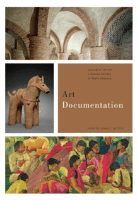
Art Documentation
Scope & Guideline
Innovating Practices in Visual and Performing Arts
Introduction
Aims and Scopes
- Art Documentation and Archiving:
The journal emphasizes the importance of documenting art through various methodologies, including bibliographic research, digital archiving, and collection management. - Visual Literacy and Information Competency:
It explores educational frameworks that enhance visual literacy and information competency, particularly in the context of art education and librarianship. - Cultural Heritage and Preservation:
A core area of focus is the preservation of cultural heritage, examining the impact of societal changes on cultural institutions and practices. - Collaboration in Art Libraries and Museums:
The journal highlights collaborative practices between libraries, museums, and educational institutions to enhance access to art resources and promote interdisciplinary research. - Critical Analysis of Art Practices:
Art Documentation also engages in critical analysis of contemporary art practices, addressing themes of representation, bias, and the role of technology in art.
Trending and Emerging
- Digital and Augmented Reality Technologies:
There is an increasing focus on the integration of digital technologies, including augmented reality, to enhance access and engagement with art collections. - Impact of the COVID-19 Pandemic on Libraries:
The journal has seen a rise in discussions surrounding the effects of the COVID-19 pandemic on library services, particularly in architecture and art libraries, highlighting adaptive strategies and resilience. - Social Justice and Equity in Art Institutions:
Emerging themes include critical examinations of equity and social justice within art institutions, addressing issues of representation, accessibility, and the colonial legacy in museum practices. - Interdisciplinary Approaches to Art and Information:
There is a trend towards interdisciplinary research that combines art history, information science, and cultural studies, fostering a more holistic understanding of art documentation. - Community Engagement and Collaborative Practices:
Recent themes emphasize community engagement and collaborative practices between artists, libraries, and cultural organizations, promoting participatory approaches to art documentation.
Declining or Waning
- Traditional Cataloging Practices:
There is a noticeable decrease in discussions surrounding traditional cataloging methods, as the field increasingly embraces innovative and radical approaches to information organization. - Historical Art Education Methods:
Papers focusing solely on historical pedagogical methods in art education are becoming less frequent, as the discourse shifts towards contemporary practices and frameworks. - Connoisseurship in Art Libraries:
The emphasis on connoisseurship and subjective interpretation of art in library contexts is waning, with a growing preference for data-driven and inclusive approaches.
Similar Journals

APOLLO-The International Art Magazine
Fostering Insightful Conversations in Art HistoryAPOLLO - The International Art Magazine, published by APOLLO MAGAZINE LTD, stands as a key resource in the fields of Visual Arts, Museology, and Conservation. Based in the United Kingdom, this journal aims to foster insightful discussions and promote scholarly research among art historians, conservators, and art enthusiasts alike. With its ISSN 0003-6536, the magazine integrates contemporary art discourse with a rich historical perspective, celebrating artistic innovation while addressing the complexities of art preservation and curation. Although its access is not open, APOLLO provides an essential platform for rigorous academic exploration in its areas, earning a place in the Q4 quartile rankings of Scopus for 2023 across multiple categories. The discontinuation of its coverage in Scopus in 2020 highlights a transitional phase in scholarly communication, encouraging ongoing discourse around the publication's contributions. Whether you are a researcher seeking to publish your findings or a student diving into the depths of art studies, APOLLO offers valuable insights into the dynamic world of the arts.

Art-Sanat
Connecting Scholars Across the Artistic SpectrumArt-Sanat is a distinguished open-access journal published by the Research Institute of Turkology at Istanbul University, focusing on various facets of art history, visual arts, and cultural heritage. Since its open-access launch in 2017, the journal has been dedicated to promoting scholarly communication and disseminating innovative research within the fields of Art History, Archaeology, and Conservation. With an impact factor that highlights its increasing prominence—ranking in the Q1 quartile for History and Visual Arts and Performing Arts—Art-Sanat provides a platform for researchers, professionals, and students to share high-quality studies. The journal's commitment to transparency and accessibility assures that its contributions are available to a global audience, fostering a community of inquiry in the rich and diverse artistic landscapes of Turkey and beyond. With a robust ranking in Scopus, it stands as a noteworthy resource that advances scholarly engagement and interdisciplinary dialogue in the arts and humanities.
Visual Resources
Bridging Academia and Contemporary Visual PracticesVisual Resources, an esteemed journal published by Routledge Journals, Taylor & Francis Ltd, serves as a vital platform for scholarly research in the fields of Museology and Visual Arts and Performing Arts. With an ISSN of 0197-3762 and an E-ISSN of 1477-2809, this journal has navigated the academic landscape since its inception in 1980, continuing to amplify critical dialogues up to 2024. Positioning itself within category quartiles as Q3 for both museology and visual arts, the journal ranks at #302/667 in the Visual Arts and Performing Arts category and #41/83 in Museology according to Scopus, reflecting a significant yet competitive standing. Although not designated as Open Access, the publication remains accessible through institutional subscriptions, catering to a diverse audience of researchers, professionals, and students. By disseminating pioneering research and innovative methodologies pertinent to visual culture and museum practices, Visual Resources plays an indispensable role in advancing knowledge in its disciplines and connects academia with contemporary practice.

Baltic Journal of Art History
Navigating the Depths of Baltic Visual ArtsBaltic Journal of Art History is a prominent academic journal published by UNIV TARTU PRESS, focusing on the rich tapestry of art historical research within the Baltic region and beyond. With its ISSN 1736-8812 and E-ISSN 2346-5581, the journal serves as a vital platform for scholars, artists, and historians to disseminate innovative findings and critical analyses in the fields of History and Visual Arts and Performing Arts. Established in 2017, it has gained recognition in academic circles, achieving a Q3 ranking in History and a Q2 ranking in Visual Arts and Performing Arts as of 2023. Despite not being open access, the journal continues to attract a diverse readership eager to engage with its rigorous, peer-reviewed content. Situated in Estonia, the journal not only enriches the regional scholarly discourse but also contributes significantly to global conversations on art history. Positioned at a pivotal intersection of various disciplines, the Baltic Journal of Art History invites researchers and practitioners alike to explore the aesthetic and cultural narratives that shape our understanding of art.

Boletin de Arte-UMA
Advancing Knowledge in Art History and Cultural HeritageBoletin de Arte-UMA is a distinguished academic journal published by the University of Malaga, Department of History of Art, focusing on the rich interplay between history, visual arts, and performing arts. Operating under an Open Access model since 2013, this journal ensures that valuable research is freely available for scholars and practitioners worldwide. With an impact factor currently reflecting its academic rigor through its Q2 ranking in History and Q1 ranking in Visual Arts and Performing Arts, Boletin de Arte-UMA serves as a vital platform for cutting-edge research, critical analysis, and the promotion of cultural heritage studies. Based in Malaga, Spain, the journal not only provides insights into its thematic scope but also fosters a global dialogue among researchers, professionals, and students passionate about the visual and performing arts.

Iconographica
Decoding Cultural Narratives Through Visual RepresentationIconographica is an esteemed journal published by SISMEL EDIZIONI GALLUZZO, dedicated to the exploration of cultural narratives through visual arts and performing arts. Based in Italy, this journal has been providing a platform for scholarly discourse from 2015 to 2023, and it serves as an important resource for researchers, professionals, and students interested in these interdisciplinary fields. Although indexed in the Q4 quartile for both Cultural Studies and Visual Arts, this journal offers valuable insights that encourage the examination and understanding of visual culture. While currently operating without an open access model, its rigorous peer-review process ensures high-quality academic contributions that reflect the evolving dynamics within these areas of study. Set against the backdrop of a rapidly transforming cultural landscape, Iconographica aims to foster engagement, inspire innovative perspectives, and cultivate a deeper appreciation for the interplay between culture and visual representation.
OXFORD ART JOURNAL
Advancing Scholarship in Visual and Performing ArtsOxford Art Journal, published by Oxford University Press, serves as a vital platform for scholarly discourse in the fields of History, Visual Arts, and Performing Arts. With an ISSN of 0142-6540 and an E-ISSN of 1741-7287, this esteemed journal has cultivated a rich academic presence since its inception, reflecting a deep commitment to exploring the intricacies of art history and contemporary visual culture. Holding a Q2 ranking in Visual Arts and Performing Arts and a Q3 ranking in History for the year 2023, the journal features rigorous peer-reviewed articles that push the boundaries of research and offer new insights into artistic practices. Although not offering open access, the journal is widely respected for its contributions to the academic community, making it invaluable for researchers, professionals, and students deeply engaged in art studies. For those seeking a comprehensive understanding of the visual arts landscape, the Oxford Art Journal remains an indispensable resource.

Artibus et Historiae
Fostering Critical Conversations in Art HistoryArtibus et Historiae is a distinguished academic journal published by IRSA PUBLISHING HOUSE, focusing on the fields of Visual Arts and Performing Arts within the broader scope of Arts and Humanities. With an ISSN of 0391-9064, this journal has become a crucial platform for the dissemination of scholarly research, critical discourse, and innovative ideas in art history and visual culture. Though its coverage in Scopus was discontinued in 2018, it maintained a respectable ranking of #279 out of 502 in its category, placing it in the 44th percentile. This positions Artibus et Historiae as a respected contributor to scholarly conversations in its field. Researchers, professionals, and students will find valuable insights and analyses that deepen their understanding of artistic practices and historical contexts. While not an open-access journal, it aims to bridge the gap between academia and broader audiences interested in the dynamic interplay of art and history.

Umeni-Art
Exploring the Intersection of Art and ScholarshipUmeni-Art is a prominent journal in the field of visual arts and performing arts, published by the Institute of Art History, Academy of Sciences, Czech Republic. With its ISSN 0049-5123 and E-ISSN 1804-6509, the journal has established itself as a critical platform for scholarly discourse and artistic expression since its inception in 2002. Although currently classified in Q4 within the Arts and Humanities category, it aims to elevate the understanding and appreciation of the arts through rigorous research and innovative perspectives. The journal's Scopus ranking places it at Rank #573/667, reflecting its growing contribution to the field and expanding reach within the artistic community. With a focus on fostering collaboration among researchers, practitioners, and students, Umeni-Art seeks to enrich the academic landscape with significant findings and discussions that inspire future research and creative endeavors. While it does not offer open access, the journal remains a valuable resource for those vested in exploring the dynamic interplay between art, culture, and society in the contemporary context.
ART HISTORY
Celebrating the Diversity of Artistic Expression Through the AgesART HISTORY is a prestigious journal published by Wiley, focusing on the dynamic and diverse field of visual arts and performing arts since its inception in 1978. With an ISSN of 0141-6790 and an E-ISSN of 1467-8365, the journal has established itself as a significant resource for researchers, professionals, and students interested in exploring the complexities of art across various epochs and cultures. Currently ranked in the Q3 category within the Visual Arts and Performing Arts sector and positioned at #132 out of 667 in Scopus rankings—representing the top 80th percentile—ART HISTORY delivers insightful scholarship that contributes to the understanding and appreciation of art history. Although it does not offer open access, the journal remains committed to publishing high-quality, peer-reviewed articles that delve into critical artistic practices, theories, and aesthetics. The journal's location in the United Kingdom further enhances its international reach and influence, making it a vital platform for advancing discourse in the arts.