
Biotecnia
metrics 2024
Fostering collaboration for groundbreaking biotechnological discoveries.
Introduction
Biotecnia is a premier journal published by UNIV SONORA, dedicated to advancing the field of biotechnology through the dissemination of high-quality research and innovative findings. With its ISSN 1665-1456, this journal provides a vital platform for researchers, professionals, and students to share scholarly work that encompasses a diverse range of topics, including molecular biology, genetic engineering, and bioprocessing. Despite being based in Hermosillo, Mexico, Biotecnia’s reach extends globally, aiming to foster collaboration and knowledge exchange among the international scientific community. The absence of an open-access option enhances the journal's exclusivity while ensuring rigorous peer review, thus maintaining high academic standards. As biotechnology continues to play a pivotal role in resolving global challenges, Biotecnia stands as an essential resource for those committed to innovation and research excellence in this evolving discipline.
Metrics 2024
 -0.500.50-
Metrics History
Rank 2024
IF (Web Of Science)
JCI (Web Of Science)
Quartile History
Similar Journals

Biocatalysis and Agricultural Biotechnology
Innovating Biocatalysis for a Greener FutureBiocatalysis and Agricultural Biotechnology, published by Elsevier, is a distinguished journal in the fields of agronomy, biotechnology, and applied microbiology. With an E-ISSN of 1878-8181, this journal has an impressive impact factor and consistently ranks in the top quadrants of Scopus, notably Q1 in Agronomy and Crop Science and Q2 in several related categories. Since its inception in 2012, it aims to bridge the gap between biocatalysis applications and agricultural practices, fostering innovative research that advances sustainable agriculture and biotechnological applications. The journal is highly regarded, with a Scopus rank of #47 out of 406 in Agronomy and Crop Science, exemplifying its significance in the academic community. As an essential resource for researchers, professionals, and students, it provides a platform for sharing cutting-edge findings that address crucial global challenges in food security, environmental sustainability, and biotechnological advancements. Located in Amsterdam, Netherlands, the journal continues to contribute to the growth and interdisciplinary dialogue in agricultural and biological sciences.

Revista de la Facultad de Agronomia de la Universidad del Zulia
Exploring the Future of Food and Agriculture in Latin AmericaWelcome to the Revista de la Facultad de Agronomia de la Universidad del Zulia, a key publication in the fields of Agronomy, Animal Science, Food Science, and Plant Science. Published by the Facultad de Agronomía, Universidad del Zulia, this journal aims to foster academic dialogue and disseminate impactful research that advances knowledge and practice within these disciplines. Operating under the ISSN 0378-7818 and E-ISSN 2477-9407, this journal offers a platform for both emerging and established scholars to share their discoveries and innovations. Despite its challenges, as reflected in its Q4 ranking across multiple categories in 2023, it remains a vital resource for the Venezuelan scientific community and beyond. Readers will benefit from a diverse array of studies and discussions that address contemporary issues in agriculture and related fields, helping inform best practices and policy. Engage with cutting-edge research from Venezuela and contribute to the development of agronomic sciences in the region.
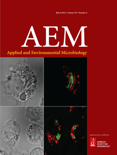
APPLIED AND ENVIRONMENTAL MICROBIOLOGY
Connecting Science and Sustainability Through Microbial InsightsApplied and Environmental Microbiology, published by the American Society for Microbiology, stands as a leading journal in the fields of applied microbiology and environmental science since its inception in 1976. With a prestigious Q1 quartile ranking across multiple categories including Applied Microbiology and Biotechnology, Ecology, and Food Science, this journal consistently disseminates high-impact research that drives innovation and advances our understanding of microbial interactions within our ecosystems and industries. As ranked by Scopus, it exhibits prominent rankings in various related fields, underscoring its critical role in shaping contemporary microbiological research. Researchers, professionals, and students alike can stay abreast of groundbreaking studies while contributing to a vast body of knowledge that spans diverse aspects of microbiology, biotechnology, and ecology, ultimately contributing to sustainable practices. Join the community of dedicated scholars and explore vital research findings that impact both environmental health and technological advancement.

Emirates Journal of Food and Agriculture
Cultivating insights for a thriving agricultural future.Emirates Journal of Food and Agriculture is a pivotal publication dedicated to the fields of agronomy, animal sciences, applied microbiology, and food science. Published by the prestigious United Arab Emirates University, this journal serves as a vital platform for disseminating high-quality research and innovative findings within these essential domains. With an ISSN of 2079-052X and an E-ISSN of 2079-0538, the journal has been operational since 1996 and continues to thrive as it converges towards 2024. Holding a notable position in the academic landscape, it is ranked in the Q3 quartile across various categories including Agronomy and Crop Science, Animal Science and Zoology, Applied Microbiology and Biotechnology, and Food Science. Additionally, its Scopus rankings reflect its contribution to advancing knowledge in Agricultural and Biological Sciences, showcasing its competitive standing. The open-access policy fosters wider dissemination of research, making it accessible to a diverse audience. By providing a forum for groundbreaking research and discussions, the Emirates Journal of Food and Agriculture is essential for researchers, professionals, and students eager to engage with contemporary issues and developments within these critical fields.
JOURNAL OF BIOTECHNOLOGY
Exploring the intersection of microbiology and innovation.JOURNAL OF BIOTECHNOLOGY, published by Elsevier, stands as a premier platform in the fields of Applied Microbiology, Biotechnology, Bioengineering, and Medicine. With an ISSN of 0168-1656 and an E-ISSN of 1873-4863, this journal has significantly contributed to the advancement of biotechnological research since its inception in 1984 and continues to be a vital resource until 2024. Notably ranked in the Q2 quartile across multiple categories, it excels with impressive Scopus rankings, placing within the top 20% in Applied Microbiology and Biotechnology. This underscores its impact on both the scientific community and the ongoing developments in biotechnological applications. The journal encourages submissions that promote innovative research and practical insights, fostering collaboration among researchers, professionals, and students alike. Although it does not currently offer Open Access options, the journal remains highly regarded for its rigorous peer-review process and commitment to excellence in biotechnological literature.
Chemical and Biological Technologies in Agriculture
Advancing Agricultural Innovations for a Sustainable FutureChemical and Biological Technologies in Agriculture is a premier open-access journal published by SPRINGER, dedicated to advancing research in the fields of agronomy, crop science, biochemistry, biotechnology, and food science. Established in 2014, this journal has quickly gained recognition, boasting impressive rankings with Q1 status in Agronomy, Crop Science, Biotechnology, and Food Science categories as of 2023, underscoring its significance in fueling innovations in agricultural technology. With an E-ISSN of 2196-5641, it provides a platform for researchers and practitioners to disseminate impactful findings and methodologies that address key challenges in sustainable agricultural practices. By facilitating open access to contemporary research, the journal aims to foster collaboration and knowledge exchange among multidisciplinary stakeholders in the agricultural sector. With a commitment to excellence reflected in its Scopus rankings, notably #57 in Agronomy and Crop Science, it serves as an invaluable resource for professionals, researchers, and students striving for breakthroughs in chemical and biological technologies. The journal remains at the forefront of addressing global food security and environmental sustainability through rigorous scientific inquiry.
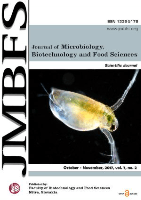
Journal of Microbiology Biotechnology and Food Sciences
Pioneering research at the intersection of biotechnology and food safety.Journal of Microbiology Biotechnology and Food Sciences, published by SLOVAK UNIV AGRICULTURE NITRA, is a distinguished open-access journal dedicated to advancing scholarship in the interrelated fields of microbiology, biotechnology, and food sciences. With an ISSN of 1338-5178, this journal has been accessible to researchers worldwide since 2011, providing a platform for innovative studies that contribute to the understanding of microbial processes, biotechnological advancements, and food science applications. As reflected in its 2023 category quartiles, the journal holds notable positions in Biotechnology (Q3) and Food Science (Q3), and while it ranks in the lower quartiles for Microbiology (Q4) and Molecular Biology (Q4), it is committed to enhancing its impact within these domains. The journal encourages the submission of high-quality research articles, reviews, and short communications that address critical issues in these fields, making it an essential resource for academics, industry professionals, and students alike. Emphasizing both foundational research and practical applications, the Journal of Microbiology Biotechnology and Food Sciences stands as a vital contributor to the scientific discourse, fostering innovation and collaboration among researchers aiming to solve pressing challenges in food safety, biotechnology development, and microbial studies.
Journal of Pure and Applied Microbiology
Pioneering Research in Pure and Applied MicrobiologyJournal of Pure and Applied Microbiology, published by DR M N KHAN, is an esteemed Open Access journal that has been dedicated to advancing the frontiers of microbiological research since its inception in 2007. Located in Bhopal, Madhya Pradesh, India, this journal presents a platform for researchers and professionals in the fields of Applied Microbiology and Biotechnology, offering insights that span a diverse range of topics critical to both scientific progress and industrial applications. As of 2023, the journal is categorized in the Q3 and Q4 quartiles, demonstrating its relevance and growing impact within the community—ranking #219 in Biochemistry, Genetics and Molecular Biology and #93 in Immunology and Microbiology. With an emphasis on accessibility, the journal has embraced an Open Access format since 2017, allowing for a wider dissemination of knowledge. By publishing high-quality research, the Journal of Pure and Applied Microbiology plays a pivotal role in fostering innovation and collaboration among researchers, students, and industry professionals alike.
BIOTECHNOLOGY & BIOTECHNOLOGICAL EQUIPMENT
Advancing Biotechnology for a Sustainable FutureBIOTECHNOLOGY & BIOTECHNOLOGICAL EQUIPMENT is a leading open access journal published by TAYLOR & FRANCIS LTD from the United Kingdom, dedicated to advancing the field of biotechnology since its inception in 1990. Committed to disseminating high-quality research, the journal has transitioned to open access since 2014, enhancing its accessibility for researchers, professionals, and students alike. With a notable impact in the field, it is categorized in the Q3 quartile for Biotechnology as of 2023 and ranks #193 out of 311 in the Scopus categories for Biochemistry, Genetics, and Molecular Biology. The journal aims to cover a diverse range of topics related to both biotechnological advancements and the equipment that supports them, thus fostering innovative research and practical applications in the biotechnology sector. With an evolving scope that reflects the dynamic nature of biological research, BIOTECHNOLOGY & BIOTECHNOLOGICAL EQUIPMENT plays a crucial role in bridging the gap between laboratory studies and real-world applications, making it an essential resource for anyone involved in biotechnology research.

Current Research in Biotechnology
Fostering Global Collaboration in Biotechnological AdvancesCurrent Research in Biotechnology is a leading journal published by Elsevier, dedicated to the dissemination of high-quality research in the rapidly evolving field of biotechnology. With an ISSN of 2590-2628, this journal has garnered a reputation for its insightful contributions, currently holding a prestigious Q2 ranking in the Biotechnology category, and placing in the 66th percentile within the Scopus rankings for Biochemistry, Genetics, and Molecular Biology. Running from 2019 and set to continue through 2024, the journal aims to provide a platform for groundbreaking studies that advance our understanding and application of biotechnological innovations. Although it operates under a subscription model, the journal ensures that research impacts a wide audience, facilitating collaboration among researchers, professionals, and students across the globe. By focusing on a diverse range of topics within biotechnology, Current Research in Biotechnology is committed to cultivating a vibrant discourse and fostering advancements that address critical challenges in health, agriculture, and environmental sustainability.