Information Discovery and Delivery
Scope & Guideline
Advancing the Frontiers of Information Science
Introduction
Aims and Scopes
- Information Retrieval and Discovery:
The journal explores methodologies and technologies that enhance information retrieval processes, including the use of AI, machine learning, and data science to facilitate better user access to information. - Library and Information Science Professional Development:
It focuses on the professional growth of librarians and information science professionals, examining trends, challenges, and strategies for effective service delivery in academic and public libraries. - Impact of Digital Technologies on Information Practices:
The journal investigates how digital tools and platforms influence information-seeking behaviors, information sharing, and the overall user experience in various contexts. - Open Data and Information Sharing:
A significant focus is placed on open data initiatives, exploring their implications for transparency, accessibility, and collaboration in research and public sectors. - Information Literacy and User Education:
The journal emphasizes the importance of information literacy, investigating strategies for enhancing user competencies in navigating digital information landscapes. - Social Media and Information Dissemination:
It examines the role of social media in information dissemination, including the analysis of user behavior, engagement, and the impact of social media on information credibility.
Trending and Emerging
- Artificial Intelligence in Information Science:
There is a growing interest in the application of artificial intelligence within information systems, including studies on AI's role in enhancing user interaction, information retrieval, and decision-making processes. - Impact of COVID-19 on Information Practices:
The pandemic has catalyzed research into how COVID-19 has transformed information practices, including remote learning, teleworking, and the role of libraries in supporting information needs during crises. - Data Science and Analytics:
Emerging research trends highlight the integration of data science techniques in information retrieval, management, and user behavior analysis, reflecting a broader interest in data-driven approaches. - User-Centric Information Services:
There is an increasing focus on user experience, emphasizing the importance of understanding user needs and behaviors to inform the design and delivery of information services. - Sustainability and Digital Transformation:
Research is also trending towards sustainability in library practices and the digital transformation of information services, examining how institutions can adapt to changing environments while promoting sustainable practices.
Declining or Waning
- Traditional Library Services:
Research related to traditional library services has seen a decline as the focus shifts towards digital and hybrid services, reflecting the changing landscape of information access and user needs. - Print Media and Physical Collections:
There is a noticeable decrease in studies focusing on print media and physical collections in libraries as digital resources and online access become more prevalent. - Static Information Systems:
Research on static or traditional information systems is waning, with a growing emphasis on dynamic, interactive, and user-centered information systems that leverage emerging technologies. - Physical Library Spaces:
Studies specifically addressing the design and utility of physical library spaces have decreased, likely due to the increased importance placed on digital access and virtual services. - Basic Information Literacy:
While information literacy remains a key theme, there is a decline in research focusing on basic literacy skills, with a shift towards advanced information literacy and critical thinking in complex information environments.
Similar Journals

African Journal of Library Archives and Information Science
Empowering Knowledge, Transforming Libraries.The African Journal of Library Archives and Information Science (ISSN: 0795-4778; E-ISSN: 0795-4778) is a pivotal publication in the field of Library and Information Sciences, published by ARCHLIB & INFORMATION SERVICES LTD in Nigeria. With a focus on the diverse and evolving challenges faced by libraries and information professionals in the African context, this journal serves as a platform for scholarly communication, fostering innovation and collaboration among researchers, practitioners, and academics. The journal has a notable impact factor, reflected in its Q3 ranking within the category for 2023, and is indexed in Scopus, holding a percentile rank of 22nd in its field, further validating its relevance and scholarly contribution. Running since 2008 with continual publications through to 2024, the journal aims to advance knowledge, share best practices, and highlight emerging trends in librarianship and information science across Africa and beyond. By offering open access options, it ensures wide dissemination of knowledge, making it an essential resource for those dedicated to enhancing information services and archives.
JOURNAL OF INFORMATION SCIENCE
Connecting theory and practice in the realm of information science.JOURNAL OF INFORMATION SCIENCE (ISSN: 0165-5515; E-ISSN: 1741-6485), published by SAGE PUBLICATIONS LTD, stands as a leading academic journal in the realms of Information Systems and Library and Information Sciences. Established in 1979 and continuing through 2024, this journal has become a cornerstone for researchers, professionals, and students seeking to enhance their understanding of the rapidly evolving landscape of information management. With a commendable Q1 ranking in Library and Information Sciences and a Q2 ranking in Information Systems as of 2023, it demonstrates significant influence, evidenced by its 89th percentile ranking in Scopus for Social Sciences. Although it currently does not offer open access, the journal is committed to delivering high-quality, peer-reviewed research that addresses both theoretical and practical challenges in the field. Researchers and practitioners alike will find invaluable insights that bolster their work and contribute to the broader academic dialogue surrounding information science.
INFORMATION PROCESSING & MANAGEMENT
Shaping the Future of Information Management PracticesINFORMATION PROCESSING & MANAGEMENT, published by ELSEVIER SCI LTD, is a distinguished journal at the forefront of research in the fields of Computer Science, Information Systems, Library and Information Sciences, and Management Science and Operations Research. Since its inception in 1975, this journal has continually evolved to provide a scholarly platform for the dissemination of innovative methodologies and frameworks in information processing. With a remarkable Q1 ranking across multiple disciplines and esteemed Scopus rankings—notably, 1st in Media Technology and 4th in Library and Information Sciences—it stands as a pivotal resource for researchers, professionals, and students alike, seeking to advance their understanding and application of information management principles. Although not an Open Access journal, it remains widely accessed and respected, marking its influence in shaping the future of effective information management practices. The journal is committed to providing a rigorous peer-review process, ensuring the publication of high-quality research that addresses current challenges and trends in information technology and its application in various sectors.

Biblios-Revista de Bibliotecologia y Ciencias de la Informacion
Fostering Engagement in Library Science DiscourseBiblios-Revista de Bibliotecologia y Ciencias de la Informacion, published by the University of Pittsburgh's Library System, stands as a pivotal contributor to the field of Library and Information Sciences. Holding an ISSN of 1562-4730, this peer-reviewed journal has been offering Open Access content since 2011, reinforcing its commitment to the democratization of knowledge. Despite its current classification in the Q4 quartile with a Scopus rank of 257 out of 280 in its category, the journal plays a crucial role in disseminating research that explores contemporary challenges and innovations within the library science landscape. It is particularly relevant for researchers, practitioners, and students invested in the future of information management and bibliographic studies. With coverage from 2014 to 2024, Biblios provides a platform for scholars to engage with critical discourse, share findings, and enhance the global library and information community.
Journal of Web Librarianship
Connecting Knowledge and Technology in Library ScienceWelcome to the Journal of Web Librarianship, an esteemed publication dedicated to the evolving landscape of library science and information technology. Published by Routledge Journals, Taylor & Francis Ltd, this journal serves as a vital platform for researchers and professionals to share innovative practices, methodologies, and research findings in the fields of Library and Information Sciences and Computer Science Applications. With an impressive impact factor reflected in its 2023 rankings—Q1 in Library and Information Sciences and Q2 in Computer Science Applications—the journal is well-positioned to influence the discourse and development within these disciplines. Since its inception in 2007, the Journal of Web Librarianship has continually contributed to the academic dialogue, ensuring a comprehensive understanding of the critical role that web technologies play in library services. Though it is not an open-access journal, it remains an invaluable resource for those dedicated to advancing the practice and theory of web librarianship. Join us in exploring the intersections of information and technology as we work towards a more informed society.
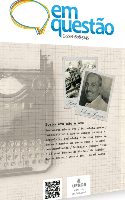
Em Questao
Advancing Knowledge in Information DisseminationEm Questao is an esteemed open-access journal dedicated to the fields of library science and communication studies, published by the Universidade Federal do Rio Grande do Sul, specifically through its esteemed Faculdade de Biblioteconomia e Comunicação. Since its inception in 2003, this journal has provided a platform for researchers, professionals, and students to disseminate influential scholarly work that fosters dialogue and innovation within these critical academic domains. Em Questao strives to enhance the visibility of emerging trends and methodologies in library science and communication, making it an indispensable resource for those looking to navigate the complexities of information dissemination in today's digital landscape. With a commitment to open access, it ensures that knowledge is readily available to a global audience, contributing to the advancement of these vital fields. Researchers interested in exploring insightful analyses and fostering collaborative research will find Em Questao a valuable addition to their academic resources.

LIBRARY JOURNAL
Transforming Information Landscapes TogetherLIBRARY JOURNAL, published by REED BUSINESS INFORMATION, is a vital periodical in the field of Library and Information Sciences, providing a rich resource for researchers, professionals, and students alike. With a history spanning from 1945 to its recent issues, this journal captures the evolving landscape of library science, offering insightful articles that address current trends, practices, and challenges within the profession. Although not an open access journal, LIBRARY JOURNAL is highly regarded for its content, which reflects the challenges faced by libraries and the critical role they play in education and community services. Despite its Scopus ranking of 159 out of 210, the journal continues to contribute significantly to discussions around information management, bibliometrics, and digital libraries, making it an essential read for those invested in the ongoing development of library services and information literacy in the digital age.
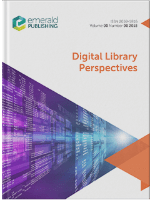
Digital Library Perspectives
Transforming Information Access in a Digital WorldDigital Library Perspectives, published by Emerald Group Publishing Ltd, is a pivotal journal in the dynamic fields of Education, Information Systems, and Library and Information Sciences. With an impressive Scopus ranking that places it in the Q1 category for Library and Information Sciences and Q2 for both Education and Information Systems, this journal has established itself as a significant resource for scholars and practitioners alike. The journal's ISSN is 2059-5816 and its E-ISSN is 2054-1694, facilitating broad accessibility to cutting-edge research and innovative practices within digital library environments. Published since 2016, it continues to offer a platform for the exploration of emerging trends, challenges, and technologies affecting digital libraries and information services. Researchers, professionals, and students will find that the journal not only highlights critical advancements but also fosters discussions around best practices and future directions in the industry. While it operates under a subscription model, it remains a crucial contributor to the scholarly dialogue in this essential sector.

Evidence Based Library and Information Practice
Fostering an informed community with cutting-edge research.Evidence Based Library and Information Practice is a premier open-access journal published by the University of Alberta, Canada, since 2006. With a firm commitment to advancing research in the Library and Information Sciences, this journal provides a platform for the dissemination of innovative practices and empirical studies that inform library and information services globally. Recognized in 2023 with a Q3 category rating within its field, it ranks 169 out of 280 in the Scopus database, reflecting its growing influence and relevance. The journal’s objective is to bridge the gap between theory and practical applications, making it an essential resource for librarians, scholars, and students who seek evidence-based insights to enhance library practices and information management. By facilitating open access to high-quality research, Evidence Based Library and Information Practice plays a crucial role in fostering an informed academic community.

LIBRARY AND INFORMATION SCIENCE
Exploring the intersections of knowledge and technology.LIBRARY AND INFORMATION SCIENCE is a specialized academic journal dedicated to the advancement of knowledge and scholarship in the field of library and information sciences. Published by MITA SOC LIBRARY INFORMATION SCIENCE, this esteemed journal has been a crucial platform for scholarly communication since 1980, addressing the dynamic challenges and developments in the information landscape. Although it holds a Q4 category ranking in the Library and Information Sciences according to the 2023 Scopus Ranking, the journal serves a unique niche, providing insights and fostering discussions among a diverse audience of researchers, professionals, and students. With no Open Access options currently available, its valuable research contributions are accessible through institutional subscriptions and library access. The journal aims to disseminate innovative research, case studies, and theoretical explorations that enhance our understanding of information behavior, retrieval systems, library management, and emerging technologies, thus promoting an informed society in an increasingly digital world. Given its focused scope and enduring presence, LIBRARY AND INFORMATION SCIENCE continues to be an essential resource for anyone invested in the future of libraries and information services.