
Journal of Italian Cinema and Media Studies
Scope & Guideline
Examining the Legacy and Future of Italian Cinematic Arts
Introduction
Aims and Scopes
- Italian Cinema History:
The journal emphasizes the historical development of Italian cinema, including significant movements such as neorealism, and the impact of various directors and films on the national and international stages. - Cultural Studies and Media Analysis:
Research often includes cultural studies perspectives, examining how Italian cinema reflects and shapes societal values, identities, and issues such as migration, gender, and nationalism. - Interdisciplinary Approaches:
The journal supports interdisciplinary methodologies, integrating perspectives from literature, sociology, and visual arts, allowing for a comprehensive understanding of film as a cultural artifact. - Global and Transnational Perspectives:
There is a consistent focus on the global and transnational dimensions of Italian cinema, exploring its interactions with other national cinemas, particularly in the context of migration and diaspora. - Feminist and Gender Studies:
The journal frequently addresses themes of gender and feminism in Italian cinema, analyzing representations of women and the roles of female filmmakers in the industry. - Emerging Technologies and New Media:
There is an increasing interest in how emerging technologies and new media platforms influence Italian cinema, including discussions on digital culture and online film distribution.
Trending and Emerging
- Migration and Mediterranean Studies:
Recent publications increasingly engage with themes of migration, particularly in the context of the Mediterranean, exploring how Italian cinema represents and responds to these pressing social issues. - Gender and Feminism in Cinema:
There is a growing body of work focusing on gender and feminist perspectives in Italian cinema, highlighting women's roles both in front of and behind the camera, as well as critiques of gender representation. - Digital Media and New Technologies:
Explorations of how digital platforms and new media technologies are reshaping the landscape of Italian cinema are on the rise, indicating a shift in focus towards contemporary viewing practices and audience engagement. - Intersections of Cinema and Other Art Forms:
Emerging themes include the intersections of cinema with literature, visual arts, and other cultural expressions, reflecting a broader interest in interdisciplinary approaches to Italian media. - Political and Social Activism:
The journal is increasingly publishing works that examine the role of cinema as a form of political and social activism, particularly in relation to contemporary sociopolitical issues in Italy and beyond.
Declining or Waning
- Traditional Film Criticism:
There seems to be a waning interest in conventional film criticism that primarily focuses on aesthetic evaluations, as scholars increasingly prioritize sociocultural contexts and audience reception. - Historical Biographies of Filmmakers:
While biographies of filmmakers have been a staple, the trend appears to be declining in favor of broader thematic analyses that address collective movements and cultural impacts rather than individual narratives. - Static Representations of Italian Identity:
Research that solely emphasizes static representations of Italian national identity is declining, with a shift towards more dynamic and fluid understandings of identity that encompass migration and multiculturalism. - Focus on Classic Cinema:
There is a noticeable decrease in articles dedicated to classic Italian cinema from the early to mid-20th century, as contemporary cinema and its implications take precedence.
Similar Journals

MILLENNIUM FILM JOURNAL
Navigating the Intersection of Art and Performance in Cinema.MILLENNIUM FILM JOURNAL, published by MILLENNIUM FILM WORKSHOP INC, stands as a pivotal platform for exploration and discourse within the realm of film studies. With its ISSN 1064-5586, the journal has been noteworthy in delineating the complexities of visual arts and performing arts, contributing significantly to academic scholarship between the years 2009 to 2016, and in 2018. Though its coverage has been discontinued in Scopus, the journal has attained a respectable position within its category, ranking #320 out of 502 in the Arts and Humanities field. Researchers, professionals, and students alike are invited to engage with interdisciplinary discussions that illuminate the cultural and theoretical dimensions of cinema. While currently not offering open access options, the journal continues to serve as a vital resource for those deeply invested in the study of film, making it a respected voice in visual arts and performance research.

Transnational Screens
Advancing Interdisciplinary Dialogues on Global Artistic PracticesTransnational Screens is a premier academic journal published by Taylor & Francis Ltd, focusing on the dynamic intersections of visual arts, performing arts, and communication in a globalized context. Since its inception, the journal has garnered significant recognition, featuring in the Q1 category for Visual Arts and Performing Arts and Q3 for Communication as of 2023, reflecting its influential contributions to these fields. With a Scopus ranking placing it in the 78th percentile in Visual Arts and Performing Arts, this journal serves as a vital platform for researchers, professionals, and students aiming to explore the implications of transnational narratives in contemporary media and artistic practices. The journal is accessible to a diverse readership and promotes open dialogue through its commitment to publishing innovative and interdisciplinary research from 2020 to 2024. As a key resource for understanding the complexities of transnational screens, it invites submissions that push the boundaries of traditional scholarship and engage with pressing global issues through the lens of the visual and performing arts.
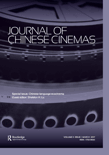
Journal of Chinese Cinemas
Bridging Discourses in the Evolving Landscape of Chinese CinemaThe Journal of Chinese Cinemas, published by Routledge Journals, Taylor & Francis Ltd, is a leading platform dedicated to advancing the field of film studies with a focus on cinema from China. With an ISSN of 1750-8061 and an E-ISSN of 1750-807X, this journal provides a comprehensive examination of the cultural, social, and political dynamics inherent in Chinese cinema. Ranked in the Q3 category for Communication and Q1 for Visual Arts and Performing Arts in 2023, it stands out in the academic landscape, particularly noted for its innovative research and diverse discourse. It holds a respectable position in Scopus rankings, coming in at #219 within Visual Arts and Performing Arts, indicating its growing impact among scholars and practitioners alike. With its commitment to publishing high-quality research from 2012 onwards, the journal serves as an essential resource for researchers, professionals, and students eager to deepen their understanding of the evolving landscape of Chinese cinema.
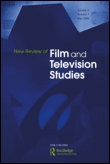
New Review of Film and Television Studies
Engaging Scholars in the Evolving Media LandscapeNew Review of Film and Television Studies, published by Routledge Journals, Taylor & Francis Ltd, stands as a vital platform for scholars and practitioners engaged in the dynamic fields of film and television studies within the United Kingdom. This journal, which has been in circulation since 2010 and will continue through 2024, provides a rigorous academic forum for contemporary research, critical analysis, and innovative discourse surrounding visual storytelling. With an impressive Scopus rank placing it in the 66th percentile for Visual Arts and Performing Arts, and a respectable Q2 categorization, the journal fosters an interdisciplinary approach, bridging communication and cultural studies. While the journal does not currently operate under an open access model, it remains an invaluable resource for researchers, students, and professionals aiming to understand and influence the evolving landscape of film and television in our digital age. As it navigates the intersection of media and society, New Review of Film and Television Studies is essential reading for those looking to advance their knowledge and contribute to the ongoing scholarly conversation.

Italianist
Diving into Italy's Cultural Heritage and Historical NarrativesItalianist is a distinguished peer-reviewed journal published by Routledge Journals, Taylor & Francis Ltd, focusing on the multifaceted aspects of Italian culture, history, and anthropology. With a proud history spanning from 1981 to 2001 and then again from 2003 to 2024, this journal caters to a global audience of scholars, professionals, and students seeking to deepen their understanding of Italian studies. Although it currently operates without an open access option, it provides invaluable insights that contribute to critical discourse in the field, evidenced by its rankings in Scopus: Q4 in Anthropology and Q3 in History, demonstrating its growing influence among academics. The journal is based in the United Kingdom and strives to promote high-quality research that explores historical narratives, cultural practices, and anthropological themes related to Italy, making it an essential resource for anyone interested in this rich and vibrant area of study.
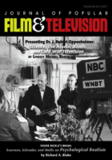
JOURNAL OF POPULAR FILM AND TELEVISION
Advancing Critical Discourse in Visual and Performing Arts.JOURNAL OF POPULAR FILM AND TELEVISION, published by Routledge Journals, Taylor & Francis Ltd, stands as a significant platform for academic discourse in the realms of cultural studies, visual arts, and performing arts. With its ISSN: 0195-6051 and an evolving digital presence indicated by its E-ISSN: 1930-6458, the journal has carved out a respected niche since its inception in 1978, continuing to contribute to scholarly discussions through 2024. Its impact within the academic community is underscored by a Q3 ranking in Cultural Studies and a Q2 ranking in Visual Arts and Performing Arts for 2023, highlighting its relevance across diverse fields. Notably, with a Scopus ranking placing it in the 74th percentile among visual arts and performing arts journals, it serves as an essential reference point for researchers, professionals, and students committed to the critical examination of film and television. Although not an open-access journal, it provides valuable insights and analysis that enrich understanding of popular media's impact on society. The journal's location in the United States, with a headquarters in Abingdon, England, further affirms its international scope and influence.
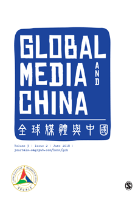
Global Media and China
Advancing Understanding of Media Dynamics in ChinaGlobal Media and China, published by SAGE Publications Ltd, is an esteemed open-access journal dedicated to fostering scholarly dialogue and research in the rapidly evolving dynamics between global media and Chinese communication practices. Launched in 2016, this journal has rapidly ascended within the academic community, achieving a remarkable Q1 ranking in both the Communication and Cultural Studies categories as of 2023, and holding significant positions in the Scopus rankings at the 95th and 81st percentiles respectively. Situated in the United Kingdom, the journal serves as a crucial platform for researchers, professionals, and students seeking to explore the intricate intersections of media influence, cultural policies, and communication trends originating from China. With a clearly defined scope and a commitment to open-access publication, Global Media and China is poised to continue its impactful contribution to global conversations surrounding media studies and cultural contemporary issues through to 2024 and beyond.
Framework-The Journal of Cinema and Media
Challenging conventions, shaping narratives.Framework: The Journal of Cinema and Media is a prominent academic journal published by Wayne State University Press, focusing on the dynamic fields of cinema studies and media theory. With an ISSN of 0306-7661 and an E-ISSN of 1559-7989, it serves as a key platform for researchers, professionals, and students to explore critical issues in media culture, film theory, and the intersection of digital technologies and narrative. Although it does not currently offer open access, the journal maintains a reputation for rigorous scholarship and thought-provoking content, providing insights that challenge conventional understandings of media and its impact on society. Published in Detroit, MI, Framework continues to engage with contemporary debates and innovative practices in cinema and media, making it an essential resource for those dedicated to advancing research in these vibrant disciplines.
Studies in Russian and Soviet Cinema
Cultivating Insights into Cinematic Practices and CulturesStudies in Russian and Soviet Cinema, published by Routledge Journals, Taylor & Francis Ltd, provides a critical forum for the exploration and analysis of cinematic practices, histories, and cultures from the Russian and Soviet eras. With its ISSN 1750-3132 and E-ISSN 1750-3140, this journal operates under the editorial guidance of leading scholars in the field, making significant contributions to the Visual Arts and Performing Arts and Communication categories, where it is ranked in the upper quartiles of its peer group. The journal spans a rich period of study, converging insights from 2006 to 2024, thereby allowing for an in-depth understanding of the evolution and impact of cinema in societal narratives. Researchers and enthusiasts alike will appreciate its dedication to illuminating the often-neglected cinematic treasures of Russia and the Soviet Union, promoting scholarly discourse through its rigorous analyses and diverse range of articles. This journal serves as an essential resource for anyone interested in the intersections of film, culture, and history.

Fotocinema-Revista Cientifica de Cine y Fotografia
Pioneering Research in the World of Photography and FilmFotocinema-Revista Cientifica de Cine y Fotografia is a leading open-access journal published by FOTOCINEMA since 2014, dedicated to the academic exploration of cinema and photography. Based in Spain, this journal serves as a vital platform for researchers, professionals, and students, fostering innovative discourse in the fields of Visual Arts, Performing Arts, and History. With an impressive Q2 rank in both History and Visual Arts, as well as a Q4 rank in Communication in 2023, Fotocinema reflects a commitment to high-quality scholarship, backed by Scopus rankings that highlight its growing influence within the academic community. By offering open access to its content, the journal ensures that significant research is available to a broader audience, encouraging collaboration and knowledge sharing across disciplines. As it continues its converged publication run from 2019 to 2024, Fotocinema stands at the forefront of cinematic and photographic studies, providing an essential resource for those dedicated to understanding the intricate relationships between visual media and society.