
LIBERTE
Scope & Guideline
Nurturing Critical Voices in the Academic Landscape
Introduction
Aims and Scopes
- Cultural Critique and Representation:
The journal frequently addresses themes of identity, representation, and the politics of culture, exploring how narratives shape and are shaped by societal structures. - Social Justice and Activism:
Many articles focus on social movements, activism, and the implications of social justice, reflecting a commitment to understanding and advocating for marginalized communities. - Interdisciplinary Approaches:
LIBERTE utilizes a wide array of methodologies from various disciplines including sociology, anthropology, literature, and political science to provide nuanced analyses of complex issues. - Historical Contextualization:
The journal often situates contemporary issues within historical frameworks, examining how past events influence present circumstances and societal attitudes. - Environmental and Ecological Themes:
There is a consistent focus on ecological issues, particularly in relation to human impact on the environment and the socio-political implications of climate change.
Trending and Emerging
- Decolonial and Anti-Colonial Discourse:
An increasing number of articles are engaging with decolonial theories and practices, emphasizing the importance of understanding history and power dynamics from a non-Western perspective. - Mental Health and Well-Being:
There is a growing trend of addressing mental health issues, particularly in relation to societal pressures and the impact of contemporary crises on individual and collective well-being. - Digital Culture and Technology Critique:
The journal is increasingly exploring themes related to technology, digital culture, and their implications for society, reflecting the pervasive influence of digital media in everyday life. - Intersectionality in Social Issues:
Emerging themes often reflect an intersectional approach, examining how overlapping identities (such as race, gender, and class) influence experiences of oppression and resistance. - Ecological and Environmental Justice:
Recent publications show a heightened focus on ecological issues, particularly how social justice intersects with environmental justice, emphasizing the urgency of these discussions in light of climate change.
Declining or Waning
- Traditional Literary Criticism:
While literary analysis remains essential, there has been a noticeable decrease in traditional literary criticism, possibly as the journal shifts towards more sociopolitical themes and contemporary issues. - Eurocentric Perspectives:
The journal has increasingly moved away from Eurocentric narratives, focusing instead on voices and issues from diverse cultural backgrounds, reflecting a broader trend towards decolonization in academic discourse. - Conventional Academic Formalism:
There is a waning emphasis on formal academic discourse; the journal appears to favor more creative and experimental forms of expression, which may alienate traditional scholarly audiences.
Similar Journals
GERMAN QUARTERLY
Exploring the Depths of German Culture and ArtsGERMAN QUARTERLY, published by Wiley, is a distinguished academic journal that serves as a vital platform for scholarly discourse in the fields of Cultural Studies, Literature and Literary Theory, and Visual Arts and Performing Arts. With an ISSN of 0016-8831 and an E-ISSN of 1756-1183, this journal is committed to exploring the complexities of German literature and culture from a multi-faceted perspective. It stands out in its categories, ranking Q3 in Cultural Studies and Q2 in both Literature and Literary Theory and Visual Arts and Performing Arts, as of 2023. Its Scopus ranking highlights its relevance and contribution to ongoing dialogues within the arts and humanities, making it an essential read for researchers and professionals alike. Although not an open-access journal, GERMAN QUARTERLY maintains a rigorous peer-review process, ensuring that published works meet the highest standards of academic quality. With converged contributions from 2002 to 2024, it continues to provide valuable insights and foster a deeper understanding of German heritage and its impact on contemporary culture. The journal is an indispensable resource for students and researchers seeking to broaden their knowledge and engage with the latest scholarship in these vital areas of study.
REPRESENTATIONS
Advancing Critical Discourse in Arts and HumanitiesREPRESENTATIONS, published by University of California Press, is a prominent academic journal that has made significant contributions to the fields of Arts and Humanities, Cultural Studies, Gender Studies, and Sociology and Political Science since its inception in 1983. With an ISSN of 0734-6018 and E-ISSN of 1533-855X, REPRESENTATIONS is recognized for its rigorous scholarship and critical discourse, currently positioned in Q2 within its primary categories and holding respectable ranks in Scopus, reflecting its influence and relevance in contemporary academic conversations. Designed for a diverse audience including researchers, educators, and students, this journal facilitates an interdisciplinary dialogue that addresses pressing societal issues through various scholarly lenses. While not openly accessible, its articles are invaluable for those seeking in-depth analysis and innovative perspectives. For continued engagement with critical scholarship through 2024 and beyond, REPRESENTATIONS serves as an essential platform for enriching the discourse surrounding cultural and social inquiries.
Middle East Journal of Culture and Communication
Charting New Territories in Middle Eastern StudiesMiddle East Journal of Culture and Communication is a vital scholarly platform published by BRILL, dedicated to fostering an understanding of cultural dynamics and communication pathways within the Middle East. Established in 2008, this journal delivers a rich array of interdisciplinary research spanning the fields of Arts and Humanities, Communication, Cultural Studies, Political Science, and Sociology. With an impact factor reflective of its commitment to high-quality scholarship, it currently ranks in various quartiles, including Q3 in Arts and Humanities (miscellaneous) and Q4 in Communication and Political Science, demonstrating its importance in the academic discourse surrounding these disciplines. The journal's open access policy ensures that critical insights and analyses are widely disseminated, catering to a global audience of researchers, professionals, and students alike. The Middle East Journal of Culture and Communication stands as an essential resource for those seeking to explore the intricate tapestry of cultural interactions in the region through rigorous academic inquiry.
Journal of Victorian Culture
Advancing Interdisciplinary Insights into Victorian LifeThe Journal of Victorian Culture, published by Oxford University Press, is an esteemed academic journal that explores the multifaceted cultural landscape of the Victorian era. With a publication history spanning from 1996 to 2024, this journal serves as a critical platform for scholars and practitioners in the fields of Cultural Studies, History, Literature and Literary Theory, and Visual Arts and Performing Arts. It currently holds notable rankings, including Q3 in Cultural Studies and History, and Q2 in Literature, making it a prominent resource in these disciplines. Targeted at an audience that includes dedicated researchers, professionals, and students, the journal promotes interdisciplinary exploration and innovation, encouraging contributors to engage deeply with Victorian themes and their influence on contemporary culture. For those interested in cutting-edge discussions and insights, the Journal of Victorian Culture provides access to rich, scholarly content that is indispensable for understanding the era's impact on modern artistic and social paradigms.
Visual Resources
Connecting Theory and Practice in MuseologyVisual Resources, an esteemed journal published by Routledge Journals, Taylor & Francis Ltd, serves as a vital platform for scholarly research in the fields of Museology and Visual Arts and Performing Arts. With an ISSN of 0197-3762 and an E-ISSN of 1477-2809, this journal has navigated the academic landscape since its inception in 1980, continuing to amplify critical dialogues up to 2024. Positioning itself within category quartiles as Q3 for both museology and visual arts, the journal ranks at #302/667 in the Visual Arts and Performing Arts category and #41/83 in Museology according to Scopus, reflecting a significant yet competitive standing. Although not designated as Open Access, the publication remains accessible through institutional subscriptions, catering to a diverse audience of researchers, professionals, and students. By disseminating pioneering research and innovative methodologies pertinent to visual culture and museum practices, Visual Resources plays an indispensable role in advancing knowledge in its disciplines and connects academia with contemporary practice.
South Central Review
Engaging with the Dynamic Landscape of Southern ScholarshipSouth Central Review, a distinguished academic journal published by Johns Hopkins University Press, serves as a vital platform for scholarly discourse in the fields of cultural studies, literature and literary theory, philosophy, and the visual and performing arts. With an ISSN of 0743-6831 and an E-ISSN of 1549-3377, this journal is dedicated to highlighting innovative research and critical analyses that explore the complexities of Southern culture and its broader implications. Although it operates without an open access option, the journal is recognized for its rigorous peer-review process and contributions to contemporary academic dialogue, holding Q3 and Q4 rankings across several disciplines as of 2023. The convergence of ideas and perspectives from diverse academic backgrounds positions the South Central Review as an essential resource for researchers, professionals, and students seeking to deepen their understanding of the cultural narratives shaping our world today.
ESPRIT
Unveiling Insights from the Heart of ParisESPRIT is a well-established journal that has been contributing to the fields of Arts and Humanities, Political Science, and Sociology since its inception in 1973. Published in France and bearing the ISSN 0014-0759 and E-ISSN 2111-4579, ESPRIT provides a scholarly platform for research articles that delve into diverse cultural, political, and sociological themes, facilitating critical discourse among academics and practitioners. Although it currently operates under traditional access models, its relevance is underscored by its rankings in Scopus, including a Q4 classification across multiple categories, making it a key resource for those exploring nuanced academic landscapes. With an address located in the heart of Paris, ESPRIT draws from a rich cultural context that enhances its publication scope, poised to inspire and inform a global audience dedicated to the advancement of knowledge in the humanities and social sciences.
Studies in Theatre and Performance
Challenging Norms, Inspiring Innovation in TheatreStudies in Theatre and Performance is a distinguished academic journal published by Routledge Journals, Taylor & Francis Ltd, dedicated to advancing scholarship in the dynamic fields of visual arts and performing arts. Since its inception in 2000, the journal has become an essential resource for researchers and professionals, exemplified by its ranking within the Q2 category of visual and performing arts, and its commendable position at the 76th percentile among its peers. With an ISSN of 1468-2761 and an E-ISSN of 2040-0616, the journal serves as a platform for insightful research, critique, and innovation across a variety of topics in theatre and performance studies. Although it operates under a traditional access model, its rigorous peer-review process ensures that every publication contributes significantly to the broader understanding of theatrical practices and performance methodologies. As we move towards 2024, Studies in Theatre and Performance continues to be a vital reference point for scholars and practitioners alike in exploring new dimensions of performance theory and practice in an ever-evolving cultural landscape.
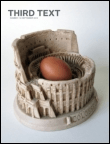
Third Text
Cultivating innovation in the realms of art and culture.Third Text is a premier academic journal dedicated to the critical engagement with cultural and artistic practices, serving as a vital platform for scholars and practitioners in the fields of Cultural Studies and Visual Arts and Performing Arts. Published by Routledge Journals, Taylor & Francis Ltd in the United Kingdom, this journal has steadily established itself as a leader in its field since its inception in 1987. With an impressive Q2 ranking in both categories as of 2023, Third Text is noted for its rigorous peer-reviewed research and thought-provoking analysis, contributing significantly to contemporary discourse in the arts. While the journal maintains a traditional publication model, it offers a rich array of scholarly articles aimed at fostering dialogue and innovation among researchers, professionals, and students alike. Researchers looking to explore intricate cultural dynamics and the intersections of art, society, and politics will find Third Text an indispensable resource in their academic journey.
Memoires Identites Marginalites dans le Monde Occidental Contemporain
Connecting Scholars for a Deeper Understanding of DiversityMemoires Identites Marginalites dans le Monde Occidental Contemporain is an esteemed academic journal published by UNIV POITIERS, dedicated to exploring the intricate dynamics of identity and marginalization within contemporary Western societies. With an open access policy established since 2006, this journal aims to disseminate high-quality research that examines the socio-cultural implications of marginalization and the narratives that shape individual and collective identities. By providing a platform for interdisciplinary dialogue, the journal serves as a vital resource for researchers, professionals, and students engaged in humanities and social sciences. This accessibility fosters a community of scholars eager to contribute to discussions surrounding social justice, cultural representation, and identity politics, ultimately enriching academic discourse in an increasingly diverse global context. For those looking to understand the complexities of our modern world, Memoires Identites Marginalites stands as a significant vessel of knowledge and insight.