
Maritime Transport Research
Scope & Guideline
Navigating the Future of Maritime Innovation
Introduction
Aims and Scopes
- Sustainability and Environmental Impact:
The journal emphasizes research on sustainable practices in maritime transport, including decarbonization strategies, the implementation of alternative fuels, and environmental performance assessments of ports and shipping operations. - Technological Innovation in Maritime Operations:
A core area of focus is the application of emerging technologies, such as automation, artificial intelligence, and machine learning, to improve operational efficiency and safety in maritime transport. - Safety and Risk Management:
Research regarding safety protocols, risk analysis, and accident prevention in maritime operations is a significant theme, addressing human factors, technological vulnerabilities, and regulatory frameworks. - Economic and Policy Analysis:
The journal also explores the economic aspects of maritime transport, including trade dynamics, port efficiency, and the impact of policies on maritime operations and infrastructure. - Intermodal and Integrated Transport Systems:
The integration of maritime transport with other modes of transport and the seamless connectivity of supply chains are critical areas of investigation, reflecting on the role of ports and logistics.
Trending and Emerging
- Decarbonization and Green Technologies:
There is a growing emphasis on decarbonization strategies within the maritime sector, including research on alternative fuels, emissions reduction technologies, and the development of green ports. - Autonomous and Automated Maritime Systems:
The exploration of autonomous vessels and automated port operations is trending, reflecting advancements in technology and the need for efficiency and safety in maritime transport. - Circular Economy in Maritime Context:
Research focusing on the circular economy, particularly in relation to ports and shipping, is emerging as a significant theme, emphasizing sustainable practices and resource efficiency. - Impact of AI and Big Data:
The application of artificial intelligence and big data analytics in optimizing maritime operations, predicting vessel behavior, and enhancing decision-making processes is increasingly prevalent. - Port Infrastructure and Development Strategies:
Emerging studies are focusing on innovative port development strategies, including infrastructure investment, digitalization, and cooperative models to enhance port efficiency and competitiveness.
Declining or Waning
- Traditional Shipping Practices:
There has been a noticeable decline in research focusing on conventional shipping practices and operational methodologies, as the field shifts towards more innovative and sustainable approaches. - Piracy and Security Issues:
Research on piracy and maritime security, which once garnered significant attention, is now less prominent, potentially due to improved international cooperation and regulatory measures reducing incidents. - Human Resource Management in Shipping:
The exploration of human resource issues, such as crew management and training, has seen reduced emphasis, likely overshadowed by technological advancements and automation in maritime operations. - Historical Analyses of Maritime Trade:
Topics related to historical analyses of maritime trade patterns and practices are appearing less frequently, suggesting a pivot towards contemporary issues and future-oriented research.
Similar Journals
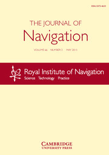
JOURNAL OF NAVIGATION
Navigating the Future of Ocean ResearchJournal of Navigation, published by Cambridge University Press, is a premier academic journal that has served the maritime community since its inception in 1948. With an esteemed ISSN of 0373-4633 and an E-ISSN of 1469-7785, this journal is recognized for its rigorous peer-reviewed research that significantly contributes to the fields of Ocean Engineering and Oceanography. The journal ranks in the Q2 quartile, showcasing its position among the top-tier publications in these domains, with impressive Scopus rankings placing it 24th in Oceanography and 22nd in Ocean Engineering. While currently not an open-access publication, it offers valuable insights and advancements relevant to researchers, professionals, and students, fostering a deeper understanding of navigation in both theoretical and applied contexts. The Journal of Navigation aims to disseminate innovative research that impacts maritime practices and enhances navigational safety and efficiency.
IATSS Research
Exploring the future of transportation through cutting-edge scholarship.IATSS Research, published by Elsevier Science Ltd, stands as a premier open-access journal at the intersection of engineering, safety research, urban studies, and transportation. Established in 2000, this esteemed journal caters to a diverse audience of researchers, industry professionals, and students eager to delve into innovative research that addresses pressing societal challenges. With an impressive impact factor and a consistent demonstration of high-quality scholarship, IATSS Research has achieved notable rankings within Scopus, including a top-tier position in Safety Research (Rank #13/109, 88th percentile) and Engineering (Rank #46/307, 85th percentile). The journal has evolved significantly since its inception, reflecting the dynamic nature of its converged fields from 2008 to 2024. By embracing open access, IATSS Research amplifies the reach of critical findings and fosters collaboration across disciplines, making it an invaluable resource for anyone invested in advancing knowledge and practices in modern engineering and urban safety.

Navigator-Subsidios para a Historia Maritima do Brasil
Navigating the Waters of Brazil's PastNavigating maritime history in Brazil, the journal Navigador-Subsidios para a Historia Maritima do Brasil serves as a pivotal platform for scholars, researchers, and enthusiasts alike. Published by the Ministerio Marinha, Serv Documentacao Geral Marinha, this esteemed journal has been offering Open Access content since 2005, ensuring that valuable insights into Brazil's rich maritime heritage are accessible to a global audience. Featuring a wide range of scholarly articles, the journal addresses various aspects of maritime history, including naval exploration, trade routes, and the cultural impact of seafaring on Brazilian society. By continually contributing to academic discourse, Navigador plays an essential role in preserving and promoting Brazilian maritime heritage, appealing to professionals in history, maritime studies, and cultural research.
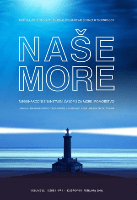
Nase More
Fostering Collaboration in Water Science and EngineeringNase More is a prominent open-access journal dedicated to the fields of Ocean Engineering, Process Chemistry and Technology, Water Science and Technology, and Transportation. Published by the University of Dubrovnik, this journal has been disseminating valuable research since its inception in 1994, with a commitment to providing unrestricted access to scholarly work since 2003. The journal boasts a diverse range of submissions that contribute to the advancement of knowledge and innovation within its scope, making it an essential resource for researchers, professionals, and students alike. With a current impact factor reflected in its Category Quartiles as Q4 in Ocean Engineering, Q3 in Process Chemistry and Technology, and Q4 in related fields, Nase More is positioned to meet the evolving needs of its readership. Located in the picturesque city of Dubrovnik, Croatia, this journal not only serves as a platform for rigorous academic inquiry but also fosters collaboration and dialogue among experts in environmental science and engineering disciplines.

International Journal of Maritime Engineering
Pioneering Sustainable Solutions for Maritime ChallengesThe International Journal of Maritime Engineering (ISSN: 1479-8751, E-ISSN: 1740-0716), published by UNIV BUCKINGHAM PRESS in the United Kingdom, is a vital resource for the maritime engineering community, addressing pressing issues in both Environmental Engineering and Ocean Engineering. Established in 2006, this journal serves as a platform for disseminating innovative research, technological advancements, and practical solutions that enhance the sustainability and efficiency of maritime operations. With its current classification in the Q3 quartile for both fields in 2023, it offers valuable insights to researchers, professionals, and students who seek to bridge theoretical knowledge with industry applications. Though the journal does not operate under an open access model, it remains an essential reference for academic discourse and advancement in maritime studies through its rigorous peer-review process and high-level research outputs.

Transport and Telecommunication Journal
Advancing the Future of Mobility and ConnectivityTransport and Telecommunication Journal is a premier open-access publication dedicated to advancing the fields of transport and telecommunications. Published by SCIENDO, this journal has been providing a platform for innovative research and discussions since 2008, catering to a global audience. With a current impact factor that reflects its growing influence in the academic community—ranking in the Q3 quartile for both Computer Science Applications and Engineering (Miscellaneous)—its articles cover a wide range of topics pertinent to contemporary transport challenges and the integration of telecommunications technology. Notably, the journal's reach extends internationally from Latvia, promoting accessibility and collaboration across borders, as it has been fully open access since 2012. Researchers and professionals are encouraged to contribute to this dynamic forum, where cutting-edge studies and insights into engineering and computer science disciplines converge.
Proceedings of the Institution of Mechanical Engineers Part M-Journal of Engineering for the Maritime Environment
Navigating Innovations in Maritime EngineeringProceedings of the Institution of Mechanical Engineers Part M - Journal of Engineering for the Maritime Environment, published by SAGE Publications Ltd, is a leading scholarly journal that addresses critical advancements in the field of maritime engineering. With an ISSN of 1475-0902 and an E-ISSN of 2041-3084, this journal serves as an essential platform for researchers and practitioners alike, disseminating original research, reviews, and case studies relevant to mechanical and ocean engineering. Recognized for its rigorous peer-review process, it currently holds a commendable Q2 ranking in both Mechanical Engineering and Ocean Engineering. The journal's reputation is bolstered by its strategic emphasis on innovative practices and sustainability in maritime environments. By providing a valuable resource for interdisciplinary collaboration, the journal facilitates the intersection of technology and engineering solutions critical for the evolving challenges within the maritime sector. Researchers, professionals, and students alike will find this journal instrumental in keeping abreast of the latest developments, best practices, and future directions in maritime engineering.
Transportation in Developing Economies
Catalyzing equitable mobility in the global south.Transportation in Developing Economies is a premier academic journal published by SPRINGER INT PUBL AG, specializing in the interdisciplinary study of transportation systems in developing nations. With an ISSN of 2199-9287 and an E-ISSN of 2199-9295, this journal provides an essential platform for researchers, policymakers, and practitioners to explore the unique challenges and innovations in transportation infrastructure, mobility, and planning within emerging economies. The journal aims to critically assess and promote sustainable transport solutions that cater to the socio-economic dynamics of these regions, making it an invaluable resource for those invested in equitable transportation development. With its open access philosophy, it ensures widespread dissemination of research findings, fostering collaboration and knowledge exchange among scholars and industry professionals alike. As the global focus on sustainable practices intensifies, Transportation in Developing Economies stands at the forefront of vital research, contributing to both academic discourse and pragmatic advancements in the field.
Maritime Economics & Logistics
Connecting Scholars to the Maritime Frontier.Maritime Economics & Logistics, published by Palgrave Macmillan Ltd, is a premier journal in the field of maritime studies, focusing on the intersection of economics, logistics, and transportation. With an impressive impact factor and positioned within the Q1 quartile for *Economics, Econometrics and Finance (miscellaneous)* and Q2 in *Transportation*, this journal is recognized as a beacon of scholarly excellence. Spanning from its inception in 1999 to present, it aims to provide insightful analyses and innovative solutions to the challenges faced by the maritime industry, making it an essential resource for researchers, professionals, and students. With Scopus rankings that place it among the top-tier journals in both *Economics* and *Social Sciences*, it fosters a collaborative environment for the dissemination of cutting-edge research and practical developments in maritime economics and logistics. Join a vibrant community of scholars and enhance your understanding of this critical field.
Asian Journal of Shipping and Logistics
Transforming Ideas into Actionable Strategies in LogisticsAsian Journal of Shipping and Logistics, published by Elsevier, is a premier Open Access journal dedicated to advancing research in the fields of shipping, logistics, and transportation. Established in 2009, the journal is indexed in Scopus and boasts an impressive 2023 category quartile ranking of Q2 across various related disciplines including Business and International Management, Management of Technology and Innovation, and Transportation. With its mission to explore innovative solutions and contemporary challenges within these dynamic sectors, the Asian Journal of Shipping and Logistics serves as an essential platform for researchers, academics, and practitioners aiming to stay at the forefront of knowledge in logistics operations and economic strategies. The journal's strong emphasis on real-world applications and cutting-edge methodologies makes it indispensable for those interested in enhancing the efficiency and effectiveness of shipping and logistics systems in a global context. For more information, please visit our website and explore our open-access articles, which provide a wealth of research findings accessible to the broader community.