
MILLENNIUM FILM JOURNAL
metrics 2024
Diving Deep into the Complexities of Visual Storytelling.
Introduction
MILLENNIUM FILM JOURNAL, published by MILLENNIUM FILM WORKSHOP INC, stands as a pivotal platform for exploration and discourse within the realm of film studies. With its ISSN 1064-5586, the journal has been noteworthy in delineating the complexities of visual arts and performing arts, contributing significantly to academic scholarship between the years 2009 to 2016, and in 2018. Though its coverage has been discontinued in Scopus, the journal has attained a respectable position within its category, ranking #320 out of 502 in the Arts and Humanities field. Researchers, professionals, and students alike are invited to engage with interdisciplinary discussions that illuminate the cultural and theoretical dimensions of cinema. While currently not offering open access options, the journal continues to serve as a vital resource for those deeply invested in the study of film, making it a respected voice in visual arts and performance research.
Metrics 2024
 -0.100.30-
Metrics History
Rank 2024
Scopus
JCI (Web Of Science)
Quartile History
Similar Journals

Studi Pasoliniani-Rivista Internazionale
Illuminating the Intersection of Literature and CinemaStudi Pasoliniani-Rivista Internazionale is a distinguished academic journal dedicated to the exploration of the works and influence of Pier Paolo Pasolini, an eminent figure in Italian literature and cinema. Published by Fabrizio Serra Editore in Italy, this journal adheres to a multidisciplinary approach that encompasses critical analyses in linguistics, literature, and literary theory, making it a valuable resource for researchers and scholars seeking to deepen their understanding of Pasolini's legacy. Currently, Studi Pasoliniani holds a Q4 quartile ranking in both Linguistics and Language and Literature and Literary Theory, reflecting its commitment to fostering scholarly discourse within these fields. Although the journal does not operate under an open access model, its publication from 2019 to 2023 assures that its content remains relevant and beneficial for academic inquiry. Researchers, professionals, and students alike will find this journal an indispensable venue for engaging with contemporary interpretations and critiques of Pasolini's oeuvre, amidst the rich cultural and historical contexts that inform his work.

Quiroga-Revista de Patrimonio Iberoamericano
Fostering Dialogue on the Visual and Performing ArtsQuiroga-Revista de Patrimonio Iberoamericano, published by UNIV GRANADA, is a distinguished open-access journal dedicated to the fields of conservation, museology, and the visual and performing arts. Since its inception in 2012, the journal has provided a platform for scholars and practitioners to disseminate innovative research and critical discussions pertinent to Ibero-American heritage. With a growing impact, evidenced by its category quartiles ranking—Q3 in Conservation and Q2 in both Museology and Visual Arts and Performing Arts—as well as its Scopus rankings, Quiroga serves as an essential resource for researchers, professionals, and students who engage with the complexities of cultural preservation and artistic expression. The journal’s commitment to open access ensures the widespread availability of knowledge, fostering academic dialogue and collaboration within the global community. For inquiries, the journal can be reached at their offices located in Granada, Spain.
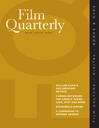
FILM QUARTERLY
Unveiling Insights in Film StudiesFilm Quarterly, published by University of California Press, stands as a leading academic journal in the field of visual arts and performing arts, boasting a prestigious Q1 ranking in the 2023 category quartiles. Since its inception in 1969, this quarterly publication has made significant contributions to the study and critique of cinema, attracting attention for its insightful articles, cutting-edge research, and comprehensive reviews that appeal to scholars, practitioners, and students alike. With an ISSN of 0015-1386 and an E-ISSN of 1533-8630, it serves as an essential resource for those seeking to enhance their understanding of film theory, history, and analysis. Although not open access, its articles are critical for researchers navigating the complex landscape of contemporary and historical film studies, underscoring its vital role in advancing scholarship within the discipline.
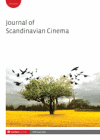
Journal of Scandinavian Cinema
Unveiling Cultural Stories Through Nordic FilmThe Journal of Scandinavian Cinema, established in 2014 and published by INTELLECT LTD, serves as a premier platform dedicated to the interdisciplinary field of film studies with a specific focus on Scandinavian cinema. With an impressive Q2 category ranking in Visual Arts and Performing Arts for 2023, and a Scopus rank placing it in the top 62nd percentile of its category, this journal is instrumental in advancing scholarly dialogue within the arts community. The journal strives to explore and critique cinematic expressions from the Nordic countries, contributing to a nuanced understanding of cultural narratives and filmic innovations. Committed to fostering accessibility and engagement, it caters to a diverse audience including researchers, professionals, and students keen to delve into the artistic, cultural, and political dimensions of cinema. The Journal of Scandinavian Cinema is essential for anyone interested in the evolution and impact of film in the Scandinavian context, promising rich insights and a robust collection of scholarly articles.
New Review of Film and Television Studies
Cultivating Knowledge in the Realm of Screen StudiesNew Review of Film and Television Studies, published by Routledge Journals, Taylor & Francis Ltd, stands as a vital platform for scholars and practitioners engaged in the dynamic fields of film and television studies within the United Kingdom. This journal, which has been in circulation since 2010 and will continue through 2024, provides a rigorous academic forum for contemporary research, critical analysis, and innovative discourse surrounding visual storytelling. With an impressive Scopus rank placing it in the 66th percentile for Visual Arts and Performing Arts, and a respectable Q2 categorization, the journal fosters an interdisciplinary approach, bridging communication and cultural studies. While the journal does not currently operate under an open access model, it remains an invaluable resource for researchers, students, and professionals aiming to understand and influence the evolving landscape of film and television in our digital age. As it navigates the intersection of media and society, New Review of Film and Television Studies is essential reading for those looking to advance their knowledge and contribute to the ongoing scholarly conversation.

CINEJ Cinema Journal
Advancing Scholarship in the World of Film.CINEJ Cinema Journal, published by the University of Pittsburgh Library System, stands as a pivotal platform for scholarly discourse in the dynamic field of cinema studies. With an ISSN of 2159-2411 and an E-ISSN of 2158-8724, this Open Access journal has been dedicated to disseminating high-quality research since its inception in 2011. CINEJ provides an essential resource for researchers, practitioners, and students alike, exploring varied dimensions of cinema, including its cultural, historical, and technological implications. The journal is committed to fostering interdisciplinary dialogue, making it a vital asset for those seeking to deepen their understanding of cinema as an art form and social phenomenon. By engaging with contemporary issues and trends in the cinematic landscape, CINEJ encourages contributions that illuminate the intersection of film and social inquiry, ensuring its relevance in today’s academic ecosystem.

POSITIF
Exploring the Intersection of Visual and Performing ArtsPOSITIF is a distinguished journal, published by POSITIF EDITIONS, focusing on the dynamic fields of Visual Arts and Performing Arts. With ISSN 0048-4911, this journal has been a significant contributor to the arts community since its establishment in 2002, and it continues to captivate readers with its upcoming issues projected until 2024. Based in the heart of France at 12 RUE PIERRE ET MARIE CURIE, 75005 PARIS, POSITIF serves as an invaluable platform for researchers, professionals, and students alike, promoting innovative discourse and critical analysis within the arts. Despite holding a Q4 category ranking in the 2023 classification and a Scopus rank of 637/667, its commitment to enhancing the understanding and appreciation of visual and performing arts remains steadfast. Researchers are invited to contribute to this growing body of knowledge, enriching the journal's scope and impact in a vibrant artistic landscape.
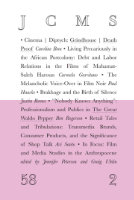
JCMS-Journal of Cinema and Media Studies
Engaging with the Dynamics of Contemporary MediaJCMS-Journal of Cinema and Media Studies, published by University of Texas Press, stands as a vital platform for scholars and practitioners in the realms of cinema, media, and visual arts. With an ISSN of 2578-4900 and an E-ISSN of 2578-4919, the journal has been a part of the academic landscape since its inception in 2018 and will continue to contribute valuable research until 2024. Notably ranked in the top tiers of Scopus, securing Q1 status in Visual Arts and Performing Arts and Q3 in Communication, JCMS features articles that critically engage with both traditional and contemporary issues in media studies. Located in the United States, the journal is committed to providing open access to a wide array of interdisciplinary research, fostering dialogue among researchers, students, and media professionals. By serving as a nexus for innovative scholarship and creative discourse, JCMS enriches our understanding of cinematic and media practices and their impact on society today.
Film History
Advancing scholarship at the intersection of film and history.Film History, published by Indiana University Press, is a premier academic journal that delves into the evolving landscape of cinema, illuminating the intricate interplay between historical narratives and film culture. With ISSN 0892-2160, and E-ISSN 1553-3905, this journal has established itself as a crucial resource for researchers, professionals, and students in the fields of history and visual arts. Recognized in the Q2 category for both History and Visual Arts and Performing Arts as of 2023, it boasts impressive Scopus rankings, securing #152 out of 667 in Visual Arts and Performing Arts, and #524 out of 1760 in History, placing it in the top 30th percentile. Although it does not currently offer open access options, the journal provides a wealth of scholarly articles that critically engage with film as a historical text, fostering a deeper understanding of its role in shaping societal narratives. Since its inception in 1987, Film History has been at the forefront of academic discourse, making it an invaluable resource for those seeking to explore the rich tapestry of cinematic history.

Cinemas d Amerique Latine
Illuminating the Cultural Landscape of Cinemas in Latin AmericaCinemas d Amerique Latine is a pivotal academic journal dedicated to the exploration and critical analysis of Latin American cinema. Published by PRESSES UNIV MIDI-PUM in France, this journal serves as an essential platform for scholars, practitioners, and students to engage with the diverse and dynamic landscape of visual storytelling throughout Latin America. With a dedicated focus on the cultural, historical, and aesthetic dimensions of film in this region, Cinemas d Amerique Latine aims to foster a deeper understanding of the cinematic narratives that shape and reflect Latin American societies. The journal has garnered a respectable Q3 ranking in the Visual Arts and Performing Arts category according to the latest 2023 evaluations, signifying its growing impact and relevance in the field. Despite its current lack of open access options, contributors can expect a rigorous peer-review process, ensuring the publication of high-quality research. Researchers exploring the rich tapestry of Latin American cinema will find Cinemas d Amerique Latine to be an invaluable resource in advancing their studies and contributing to vital scholarly conversations.