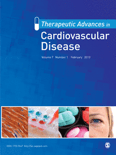
Therapeutic Advances in Cardiovascular Disease
Scope & Guideline
Exploring New Frontiers in Heart Health
Introduction
Aims and Scopes
- Cardiovascular Interventions:
Research focused on various interventional techniques, including catheter-based therapies, surgical procedures, and novel technologies aimed at improving patient outcomes in cardiovascular disease. - Pharmacotherapy and Drug Development:
Exploration of pharmacological treatments for cardiovascular conditions, including studies on the efficacy, safety, and novel uses of existing medications as well as the development of new therapeutic agents. - Pathophysiology and Mechanistic Studies:
Investigations into the underlying biological mechanisms of cardiovascular diseases, including genetic, molecular, and cellular aspects that contribute to disease progression and treatment responses. - Epidemiology and Public Health:
Studies assessing the prevalence, risk factors, and outcomes of cardiovascular diseases across different populations, providing insights into health disparities and public health initiatives. - Clinical Outcomes and Quality of Life:
Research aimed at understanding the impact of cardiovascular diseases on patients' quality of life, including studies on outcomes following treatments and interventions.
Trending and Emerging
- Genomics and Personalized Medicine:
An increasing focus on genetic factors influencing cardiovascular disease and treatment responses, including studies on gene polymorphisms and microRNA interactions, highlights the trend towards personalized medicine. - Impact of Lifestyle and Nutrition:
Research examining the role of dietary factors and lifestyle changes in cardiovascular health is gaining prominence, indicating a broader understanding of prevention strategies beyond pharmacotherapy. - Telemedicine and Remote Monitoring:
Emerging themes related to the use of telemedicine and digital health technologies for cardiovascular disease management have gained attention, particularly in light of the COVID-19 pandemic, suggesting a shift towards more accessible healthcare models. - Long-Term Outcomes and Quality of Care:
There is a growing emphasis on the long-term outcomes of treatments and interventions in cardiovascular care, with studies increasingly focusing on quality of life and patient-centered metrics.
Declining or Waning
- Traditional Risk Factors:
Research focusing solely on traditional cardiovascular risk factors such as hypertension and hyperlipidemia seems to be waning, as more recent studies emphasize broader and more holistic approaches to cardiovascular health. - Invasive Diagnostic Procedures:
There has been a noticeable decline in studies centered on invasive diagnostic techniques in favor of non-invasive imaging and biomarker identification, reflecting advancements in diagnostic technology. - Acute Coronary Syndrome Management:
While still relevant, specific studies exclusively addressing acute coronary syndrome management are less frequent, possibly due to a shift towards more comprehensive approaches that include long-term management and preventive strategies.
Similar Journals
AMERICAN HEART JOURNAL
Transforming Cardiovascular Care with Cutting-Edge StudiesAMERICAN HEART JOURNAL, published by MOSBY-ELSEVIER, stands at the forefront of cardiovascular research, encompassing a vast array of studies focused on heart health, cardiology, and related medical therapies. Established in 1925 and set to continue its legacy into 2024, this esteemed journal holds a prestigious Q1 ranking in the category of Cardiology and Cardiovascular Medicine, reflecting its commitment to quality and significant influence in the field, as evidenced by its 85th percentile ranking in Scopus. With a dedicated readership of researchers, clinicians, and students, the journal serves as a critical platform for sharing groundbreaking findings, innovative techniques, and comprehensive reviews that strive to advance cardiovascular science. Although it does not currently offer open access, the AMERICAN HEART JOURNAL remains an indispensable resource for anyone invested in the evolution and improvement of heart health.
Revista Portuguesa de Cardiologia
Exploring innovative solutions in cardiology since 1970.Revista Portuguesa de Cardiologia, published by Elsevier España SLU, stands as a pivotal resource in the realm of Cardiology and Cardiovascular Medicine. With its origins tracing back to 1970, this journal has cultivated a robust academic presence, achieving a 2023 Q3 ranking in its category, and currently holding a position of #220 out of 387 on the Scopus rankings, placing it within the 43rd percentile of its field. This open access journal, available since 2011, aims to disseminate high-quality research and insights relevant to contemporary cardiovascular issues. Its commitment to accessibility and knowledge exchange enhances its importance for clinicians, researchers, and students alike, fostering a more informed community in the fight against cardiovascular diseases. Operating from its base in Barcelona, Spain, the journal welcomes contributions that further the understanding and treatment of heart conditions, contributing significantly to the advancement of cardiovascular health.
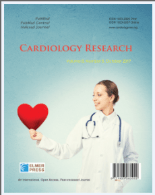
Cardiology Research
Unlocking the future of cardiovascular interventions.Cardiology Research is a prominent open-access journal dedicated to advancing the field of cardiology and cardiovascular medicine, published by ELMER PRESS INC. Renowned for its rigorous peer-review process, the journal provides a platform for cutting-edge research and innovative clinical practices in cardiology. With an ISSN of 1923-2829 and an E-ISSN of 1923-2837, it has established an impactful presence in the academic community, achieving a 2023 Scopus quartile ranking of Q3 in its category, positioning it in the 41st percentile. The journal's scope encompasses various aspects of cardiology research, including but not limited to epidemiology, diagnostics, therapeutics, and cardiovascular interventions. Although it operates without open access in certain contexts, it provides flexible access options for readers, ensuring that its valuable insights are widely disseminated. Cardiology Research is an essential resource for researchers, healthcare professionals, and students who aspire to stay at the forefront of cardiovascular science, contributing significantly to the global discourse on heart health.
Expert Review of Cardiovascular Therapy
Advancing Cardiovascular Insights for Better Patient OutcomesExpert Review of Cardiovascular Therapy is a leading academic journal published by TAYLOR & FRANCIS INC, focusing on innovative and impactful research in the field of cardiovascular medicine. With an ISSN of 1477-9072 and an E-ISSN of 1744-8344, this journal serves as an essential resource for researchers, clinicians, and educators, offering a platform for the dissemination of critical advancements in cardiovascular therapy and internal medicine. Since its inception in 2003, the journal has maintained a reputable standing with a Q2 ranking in various categories including Cardiology and Cardiovascular Medicine, reflecting its influence and rigor in the field. The journal, which is based in the United Kingdom, does not currently offer Open Access options, ensuring that its content is accessible primarily to subscribers. With its commitment to high-quality, peer-reviewed articles, Expert Review of Cardiovascular Therapy is dedicated to bridging the gap between experimental research and clinical application, thereby enhancing patient care and therapeutic outcomes in cardiovascular health.
Netherlands Heart Journal
Transforming Cardiology Insights into Global Health SolutionsNetherlands Heart Journal is a premier academic publication dedicated to advancing knowledge in the field of cardiology and cardiovascular medicine. Published by BOHN STAFLEU VAN LOGHUM BV, this journal has established itself as a critical platform for researchers, professionals, and students seeking to explore groundbreaking findings and innovative practices in cardiovascular health. With an ISSN of 1568-5888 and E-ISSN 1876-6250, the journal boasts a respectable Q2 ranking in the Cardiology and Cardiovascular Medicine category, placing it in the top half of its field according to the 2023 quartiles. The Scopus ranking places it 130th out of 387 in the relevant category, indicating a commendable percentile rank of 66th, which attests to its influence and quality of published research. Spanning from 2005 to 2024, the journal endeavors to include a diverse array of topics, encompassing clinical practice, technological innovations, and public health considerations related to cardiovascular diseases. Researchers and practitioners are encouraged to engage with the journal's robust content, contributing to and benefiting from the collaborative effort to enhance cardiovascular health worldwide.
European Journal of Preventive Cardiology
Elevating knowledge in cardiovascular disease prevention.The European Journal of Preventive Cardiology, published by Oxford University Press, is a leading international journal dedicated to the field of cardiology and cardiovascular medicine. With an impact factor that underscores its prestige—ranking in the top quartile (Q1) of both cardiology and epidemiology categories—the journal serves as a critical resource for researchers and practitioners seeking to advance their understanding of preventive strategies in cardiovascular health. Since its inception in 1999, it has provided a platform for high-quality research and reviews that address the epidemiology of cardiovascular diseases, risk factor management, and innovative prevention methodologies. Notably, it currently ranks #21 out of 387 in Medicine - Cardiology and #13 out of 148 in Medicine - Epidemiology according to Scopus, highlighting its influential position in these essential biomedical fields. The journal also provides open access options, allowing both readers and authors the opportunity to engage with groundbreaking research and enhance the dissemination of knowledge. With a commitment to excellence, the European Journal of Preventive Cardiology is an invaluable asset for those dedicated to the prevention of cardiovascular diseases.
CIRCULATION JOURNAL
Advancing Cardiovascular Knowledge, One Study at a Time.CIRCULATION JOURNAL, published by the Japanese Circulation Society, stands as a premier platform for cutting-edge research in the fields of Cardiology and Cardiovascular Medicine. With an impressive impact factor placing it in the Q1 quartile for both cardiology and general medicine, this journal is essential for researchers and practitioners seeking to stay at the forefront of cardiovascular science. The journal's accessible open access options ensure that groundbreaking studies are widely disseminated, reflecting its commitment to advancing medical knowledge and improving patient care. Since its inception in 1996, CIRCULATION JOURNAL has fostered a global dialogue on vital cardiovascular issues, making it a vital resource for academics, healthcare professionals, and students alike. With its base in Tokyo, Japan, the journal not only highlights regional advancements but also contributes significantly to the global medical community.
AMERICAN JOURNAL OF CARDIOLOGY
Driving Innovation in Heart Health and Clinical OutcomesThe American Journal of Cardiology is a leading peer-reviewed journal in the field of Cardiology and Cardiovascular Medicine, published by Excerpta Medica Inc-Elsevier Science Inc. Since its inception in 1958, the journal has consistently contributed to the advancement of cardiovascular research, providing a platform for groundbreaking studies and clinical findings that shape modern medical practices. With an impressive impact factor placing it in the Q1 category in its field for 2023, it ranks among the top journals in medicine, with a rank of #155 out of 387 in the Scopus database, reflecting its significance and rigorous editorial standards. The journal is committed to disseminating high-quality research that fosters innovation and enhances clinical outcomes in cardiology. Although it does not provide Open Access options, the American Journal of Cardiology remains an essential resource for researchers, healthcare professionals, and students looking to deepen their understanding of cardiovascular health.
Journal of the Saudi Heart Association
Advancing Cardiovascular Knowledge for a Healthier TomorrowThe Journal of the Saudi Heart Association is a prominent scholarly publication dedicated to advancing knowledge in the fields of cardiology and cardiovascular medicine. Published by DIGITAL COMMONS BEPRESS, this open-access journal has been serving the global community since 2009, providing a vital platform for researchers, practitioners, and students interested in the latest developments in heart health and disease management. With an ISSN of 1016-7315 and a growing repository of knowledge alongside an E-ISSN of 2212-5043, the journal showcases an array of peer-reviewed articles that contribute to the understanding of cardiovascular conditions. Although categorized in the Q4 quartile for 2023, it remains committed to offering valuable insights, particularly within the constraints of the 29th percentile rank specified by Scopus. As the journal converges towards 2024, it continues to foster collaboration, innovation, and inquiry within the Saudi Arabian and international medical communities.
Archives of Cardiovascular Diseases
Unlocking new horizons in cardiovascular health and treatment.The Archives of Cardiovascular Diseases, published by Elsevier Masson, stands as a leading journal in the field of cardiology and cardiovascular medicine, with an impressive impact factor that underscores its relevance and influence. This esteemed journal, recognized in the Q2 category for both cardiology and miscellaneous medicine, aims to disseminate groundbreaking research, innovative methodologies, and clinical advancements that can shape the future of cardiovascular health. With its diverse array of open access options, researchers and students alike have the ability to engage with high-quality content, ensuring that cutting-edge findings are accessible globally. Since its inception in 2008, the journal has actively contributed to the advancement of knowledge in cardiovascular diseases, fostering collaboration among clinicians, researchers, and educators. Headquartered in Paris, France, Archives of Cardiovascular Diseases remains committed to enhancing our understanding of cardiovascular health and improving patient outcomes worldwide.