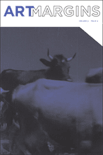
ARTMargins
Scope & Guideline
Decoding the complexities of culture and representation.
Introduction
Aims and Scopes
- Contemporary Art Contextualization:
The journal seeks to contextualize contemporary art within historical and socio-political frameworks, examining how art interacts with movements such as socialism, nationalism, and postcolonialism. - Interdisciplinary Approaches:
ARTMargins employs interdisciplinary methodologies, drawing from art history, cultural studies, and political theory to provide a comprehensive analysis of artistic practices across diverse contexts. - Focus on Marginalized Narratives:
A key aim is to highlight the voices and narratives of marginalized artists and movements, particularly in regions that have been underrepresented in mainstream art discourse. - Global Perspectives:
The journal emphasizes global perspectives on art, encouraging contributions that reflect a diverse range of cultural contexts and artistic practices, particularly from non-Western viewpoints. - Critical Theory and Aesthetics:
ARTMargins engages with critical theories of aesthetics, exploring how art can act as a medium for resistance, social commentary, and cultural critique.
Trending and Emerging
- Socialism and Contemporary Art:
Increasingly, the journal highlights the relationship between socialism and contemporary art, exploring how artists engage with socialist themes and aesthetics in various contexts, particularly in post-colonial and transitional societies. - Decolonial Art Practices:
There is a growing emphasis on decolonial practices within contemporary art, examining how artists challenge colonial narratives and represent indigenous and marginalized voices in their work. - Performance Art and Activism:
The intersection of performance art and activism is emerging as a significant theme, with discussions around how performance can function as a site of resistance and social commentary, particularly in politically charged contexts. - Globalization and Art Networks:
Explorations of globalization and its impact on art networks are trending, focusing on how artists navigate international collaborations and the implications of global art markets on local practices. - Environmental and Anthropocentric Themes:
Recent publications are increasingly addressing environmental issues and anthropocentrism in art, reflecting a growing concern for ecological narratives and the role of art in environmental activism.
Declining or Waning
- Traditional Art Historical Narratives:
There has been a noticeable decline in papers that adhere strictly to traditional art historical methodologies, suggesting a move away from conventional narratives towards more critical and interdisciplinary approaches. - Eurocentric Perspectives:
Papers focusing solely on Eurocentric art movements are becoming less common, indicating a shift towards more global and inclusive discussions that prioritize non-Western art histories. - Formalism in Art Critique:
The emphasis on formalist critique, which analyzes the aesthetic forms and techniques of art in isolation, is waning in favor of more contextually grounded analyses that consider the socio-political implications of art. - Isolation of Artistic Practices:
There is a decreasing focus on isolated artistic practices, with a growing trend towards examining art within broader cultural and political movements, reflecting a more integrated approach to understanding art. - Historical Case Studies:
The frequency of historical case studies that do not connect to contemporary issues is declining, suggesting a preference for analyses that link past and present artistic practices.
Similar Journals

RACAR-REVUE D ART CANADIENNE-CANADIAN ART REVIEW
Connecting Researchers with Canadian Art NarrativesRACAR - Revue d'Art Canadienne (Canadian Art Review), published by the University Art Association of Canada, stands as a pivotal academic journal in the field of Canadian art history and cultural studies. With its ISSN 0315-9906 and E-ISSN 1918-4778, RACAR serves as a vital platform for scholarly research and discourse, aiming to illuminate the rich tapestry of Canada's artistic heritage. Although not an open-access journal, it is committed to disseminating high-quality peer-reviewed articles that contribute to the ongoing dialogue about art in Canada. The journal's focus encompasses a diverse range of topics, from contemporary visual arts to historical investigations, appealing to researchers, professionals, and students alike. Based at the Department of History in Art at University of Victoria, RACAR fosters a critical understanding of Canadian art within broader national and global contexts, making it an essential resource for anyone engaged in this vibrant field of study.
ART HISTORY
Illuminating Artistic Practices Through Rigorous ResearchART HISTORY is a prestigious journal published by Wiley, focusing on the dynamic and diverse field of visual arts and performing arts since its inception in 1978. With an ISSN of 0141-6790 and an E-ISSN of 1467-8365, the journal has established itself as a significant resource for researchers, professionals, and students interested in exploring the complexities of art across various epochs and cultures. Currently ranked in the Q3 category within the Visual Arts and Performing Arts sector and positioned at #132 out of 667 in Scopus rankings—representing the top 80th percentile—ART HISTORY delivers insightful scholarship that contributes to the understanding and appreciation of art history. Although it does not offer open access, the journal remains committed to publishing high-quality, peer-reviewed articles that delve into critical artistic practices, theories, and aesthetics. The journal's location in the United Kingdom further enhances its international reach and influence, making it a vital platform for advancing discourse in the arts.

Boletin de Arte-UMA
Promoting Open Access to Artistic ScholarshipBoletin de Arte-UMA is a distinguished academic journal published by the University of Malaga, Department of History of Art, focusing on the rich interplay between history, visual arts, and performing arts. Operating under an Open Access model since 2013, this journal ensures that valuable research is freely available for scholars and practitioners worldwide. With an impact factor currently reflecting its academic rigor through its Q2 ranking in History and Q1 ranking in Visual Arts and Performing Arts, Boletin de Arte-UMA serves as a vital platform for cutting-edge research, critical analysis, and the promotion of cultural heritage studies. Based in Malaga, Spain, the journal not only provides insights into its thematic scope but also fosters a global dialogue among researchers, professionals, and students passionate about the visual and performing arts.

Sztuka i Dokumentacja-Art & Documentation
Cultivating a Vibrant Dialogue in Contemporary Art PracticesSztuka i Dokumentacja-Art & Documentation is a pioneering open-access journal published by ACAD FINE ARTS GDANSK, focusing on the intersections of art, documentation, and artistic practices. Since its inception in 2009, this journal has committed itself to fostering a vibrant scholarly discourse within the fields of art history, visual documentation, and cultural criticism. With an ISSN of 2080-413X, it provides a platform for researchers, practitioners, and students to contribute to and access high-quality artistic research and theoretical investigations. The journal's open-access model ensures that studies are readily available to a global audience, promoting the dissemination of innovative ideas and dialogue in the contemporary art world. With its dedication to advancing the understanding of art through rigorous documentation and research, Sztuka i Dokumentacja serves as an essential resource for anyone seeking to explore the dynamic and multifaceted relationship between art and its documentation.

Quintana-Revista do Departamento de Historia da Arte
Navigating the Rich Landscape of Art HistoryQuintana-Revista do Departamento de Historia da Arte, published by the Universidade de Santiago de Compostela, is a distinguished academic journal that focuses on the critical analysis and exploration of visual arts and performing arts. With its ISSN 1579-7414 and E-ISSN 2340-0005, this journal serves as a vital platform for researchers, professionals, and students interested in the depth of art history and cultural discourse. Operating under a Q4 category in the realm of Visual Arts and Performing Arts, the journal is committed to fostering scholarly dialogue and advancing knowledge in the field. Though it currently does not offer open access options, it remains an invaluable resource for those aiming to contribute to and understand the evolving landscape of art history. The journal covers converged years from 2011 to 2012 and 2014 to 2024, highlighting its ongoing relevance and adaptability to contemporary discussions. As it continues to enhance its visibility and impact within the 20th percentile of its category according to Scopus rankings, Quintana invites contributions that deepen our understanding of artistic expression and cultural heritage.
JOURNAL OF AESTHETICS AND ART CRITICISM
Fostering Interdisciplinary Dialogues in the ArtsThe Journal of Aesthetics and Art Criticism, published by Oxford University Press, stands as a premier platform for scholarly discourse in the realms of music, philosophy, and the visual and performing arts. Established in 1996 and continuing through 2024, this journal has achieved remarkable recognition, being ranked in the Q1 category across several disciplines, and securing prestigious positions in various Scopus rankings: 29th in Music, 50th in Visual Arts and Performing Arts, and 151st in Philosophy, showcasing its essential contribution to arts and humanities scholarship. While not an open-access journal, its rich repository of articles offers invaluable insights for researchers, professionals, and students alike, fostering a deeper understanding of aesthetics and critical theory. The journal's commitment to interdisciplinary approaches opens pathways for innovative dialogue, making it an indispensable resource for anyone engaged in the study and appreciation of the arts.

STORIA DELL ARTE
Delving into the Rich Tapestry of ArtSTORIA DELL ARTE is a notable journal dedicated to the rich exploration of art history and its varied facets, published by LUCA EDITORI ARTE ROMA. With an ISSN of 0392-4513, this publication serves as a vital resource for researchers, professionals, and students in the fields of Visual Arts and Performing Arts. Although the journal's coverage in Scopus has been discontinued from 2014, it has been recognized in the Scopus ranking as positioned within the 31st percentile among 374 entries in its category, highlighting its relevance in the realm of arts and humanities. While it does not offer open access, the journal's commitment to enriching the discourse on art history makes it an essential read for anyone interested in visual culture and historical contexts. Based in the heart of Rome, at VIA NOVELLA, 22, ROMA 00199 RM, ITALY, STORIA DELL ARTE continues to inspire scholarly discussion and contribute valuable insights to the academic community.
SOURCE-NOTES IN THE HISTORY OF ART
Connecting Past and Present in Art ScholarshipSOURCE-NOTES IN THE HISTORY OF ART is a vital publication in the field of visual arts and performing arts, managed by the prestigious University of Chicago Press. With its ISSN 0737-4453 and E-ISSN 2328-207X, the journal serves as a scholarly platform for researchers, professionals, and students who are passionate about exploring the intricacies of art history. Although it currently holds a Q4 ranking in 2023, it provides a unique contribution by documenting and analyzing various dimensions of artistic endeavors, from historical references to contemporary practices. Despite being a newer entrant in the academic landscape, its focus on detailed source notes allows for deeper understanding and connections within art scholarship. Situated in the heart of Chicago, a city rich in artistic heritage, this journal is committed to promoting critical discourse and fostering awareness of the evolving narratives in art history. As the journal continues to cultivate rigorous academic dialogue, it stands as an essential resource for those dedicated to advancing and enriching the study of the arts.
OXFORD ART JOURNAL
Cultivating Insight into Contemporary Visual CultureOxford Art Journal, published by Oxford University Press, serves as a vital platform for scholarly discourse in the fields of History, Visual Arts, and Performing Arts. With an ISSN of 0142-6540 and an E-ISSN of 1741-7287, this esteemed journal has cultivated a rich academic presence since its inception, reflecting a deep commitment to exploring the intricacies of art history and contemporary visual culture. Holding a Q2 ranking in Visual Arts and Performing Arts and a Q3 ranking in History for the year 2023, the journal features rigorous peer-reviewed articles that push the boundaries of research and offer new insights into artistic practices. Although not offering open access, the journal is widely respected for its contributions to the academic community, making it invaluable for researchers, professionals, and students deeply engaged in art studies. For those seeking a comprehensive understanding of the visual arts landscape, the Oxford Art Journal remains an indispensable resource.

GOYA
Enriching the Academic Landscape of Visual ArtsGOYA, published by the esteemed FUNDACION LAZARO GALDIANO, is a pivotal journal in the field of Visual Arts and Performing Arts. With an ISSN of 0017-2715, this Spanish journal serves as a critical platform for scholars, artists, and practitioners to engage with contemporary issues, trends, and methodologies in the arts. Since its inception, GOYA has strived to illuminate the intersection of artistic expression and cultural discourse, with coverage spanning from 2002 to 2024. The journal proudly holds a Q3 category ranking in the 2023 Scopus assessments for its field, reflecting its respected position among peers, with a notable rank of #377 out of 667. Though it does not follow an Open Access model, GOYA continues to contribute significantly to the academic landscape, enabling a deeper understanding of artistic practices and their societal implications. Researchers and students alike will find the journal an invaluable resource for insights and inspiration within the dynamic realm of the arts.