
Brazilian Journal of Poultry Science
Scope & Guideline
Unlocking the potential of poultry through open access.
Introduction
Aims and Scopes
- Poultry Nutrition and Feed Efficiency:
Research focusing on the nutritional requirements of poultry, including studies on feed additives, amino acid digestibility, and the impact of various feed ingredients on growth performance and health. - Poultry Health and Disease Management:
Investigations into the health status of poultry, including studies on infectious diseases, immune responses, antibiotic alternatives, and the effects of environmental factors on poultry health. - Production Systems and Animal Welfare:
Research examining different poultry production systems, housing conditions, and their effects on animal welfare, productivity, and environmental sustainability. - Meat and Egg Quality:
Studies assessing the quality of poultry products, including meat and eggs, focusing on factors such as nutritional content, sensory characteristics, and shelf life. - Emerging Technologies in Poultry Science:
Exploration of innovative technologies and methodologies, including machine learning for egg classification, and novel feed additives to improve poultry production.
Trending and Emerging
- Sustainable Poultry Production:
There is a growing focus on sustainable practices in poultry production, including studies on alternative feed sources, waste management technologies, and their environmental impacts. - Natural Growth Promoters and Phytobiotics:
Research on natural growth promoters, including plant extracts and essential oils, is emerging as an alternative to antibiotics, reflecting the industry's shift towards health-conscious and sustainable practices. - Impact of Climate Change on Poultry:
Increasing attention is being paid to the effects of climate change on poultry production, including studies on heat stress management and adaptation strategies for poultry in changing environments. - Advanced Nutritional Strategies:
Emerging themes include the use of novel feed additives, enzyme supplementation, and the optimization of nutrient profiles to enhance poultry performance and health. - Technological Innovations in Poultry Management:
Studies utilizing advanced technologies such as machine learning, imaging techniques, and data analysis for improving poultry management practices are on the rise, showcasing a trend towards integrating technology in poultry science.
Declining or Waning
- Traditional Antibiotic Use:
Research focusing on the use of traditional antibiotics in poultry diets is waning, likely due to increasing regulatory restrictions and a shift towards alternative growth promoters and natural supplements. - Genetic Studies on Poultry Breeds:
While genetics remains important, there is a noticeable decline in studies specifically focused on genetic variations within traditional poultry breeds, as research trends shift towards more applied aspects of poultry production and health. - Basic Breeding Practices:
Papers discussing conventional breeding practices are becoming less frequent, possibly due to advancements in genetic engineering and biotechnology that are attracting more attention.
Similar Journals
SOUTH AFRICAN JOURNAL OF ANIMAL SCIENCE
Elevating standards in animal husbandry and breeding practices.SOUTH AFRICAN JOURNAL OF ANIMAL SCIENCE is a leading scholarly publication dedicated to the dissemination of original research, review articles, and critical insights in the fields of animal science and zoology. Established in 1974, this journal is published by the South African Journal of Animal Sciences and has since become an essential resource for researchers and professionals in the field. The journal, which currently holds a Q3 ranking in Animal Science and Zoology as per Scopus rankings, aims to promote scientific knowledge and innovation in animal husbandry, welfare, nutrition, and breeding practices, with a particular emphasis on the South African context. The journal's rigorous peer-review process ensures high-quality research is shared widely among the academic community. Researchers and students alike will find valuable content and access options that support ongoing education and professional development in this vital area of study. For more information, interested readers can contact the editorial office at PO Box 13884, Hatfield 0028, South Africa.
ANIMAL SCIENCE JOURNAL
Elevating Knowledge in Food Science and Animal WelfareAnimal Science Journal, published by Wiley, stands as a premier platform for advancing knowledge in the fields of Agricultural and Biological Sciences, Animal Science and Zoology, and Food Science. With an ISSN of 1344-3941 and an E-ISSN of 1740-0929, this journal not only enjoys a commendable Q2 ranking across multiple categories, reflecting its significance and impact within the academic community, but it also ranks within the top percentiles in terms of Scopus rankings. Operating out of the United Kingdom, the journal covers a broad spectrum of research topics relevant to animal science, encompassing both theoretical insights and practical applications. While it is not an open access journal, it remains an essential resource for researchers and practitioners eager to enhance their understanding of animal sciences, contribute to ongoing debates, and stay abreast of the latest findings from 2003 through 2024. Scholar engagement and innovative research are central to the journal’s objectives, making it an invaluable asset for students, professionals, and academics alike.

Italian Journal of Animal Science
Connecting global researchers for impactful discoveries.Italian Journal of Animal Science (ISSN: 1594-4077; E-ISSN: 1828-051X), published by Taylor & Francis Ltd, serves as a pivotal platform for the dissemination of cutting-edge research in the fields of animal science and zoology. Since its transition to Open Access in 2002, it has broadened its reach, allowing researchers from around the globe to share their findings and engage in critical dialogue. With its esteemed Q1 ranking in the 2023 category of Animal Science and Zoology and a notable position in the Scopus rankings—ranked 65 out of 490—this journal is a leader in driving the advancement of knowledge in animal science. The Italian Journal of Animal Science aims to publish original research articles, reviews, and methodological papers that contribute to the understanding of animal biology, welfare, nutrition, and conservation, making it a vital resource for researchers, professionals, and students dedicated to advancing the field. Based in the United Kingdom, and with a commitment to excellence, the journal is poised to continue fostering scholarly communication through 2024 and beyond.
AVIAN PATHOLOGY
Navigating the complexities of avian health for global impact.AVIAN PATHOLOGY is a leading academic journal published by Taylor & Francis Ltd, focusing on the field of avian health, diseases, and diagnostics. With an ISSN of 0307-9457 and an E-ISSN of 1465-3338, this esteemed journal has been serving the scientific community since its inception in 1972, with content converging until 2024. Notably recognized in the 2023 Journal Rank, it holds a Q1 category in Animal Science and Zoology, making it an essential source for researchers and practitioners alike. The journal emphasizes critical insights into avian pathology, fostering significant advancements in veterinary science and poultry health management. Although it is not open access, subscriptions provide access to high-impact reviews and original research that underpin vital practices in the industry. With its prestigious publishing lineage and impactful scope, AVIAN PATHOLOGY continues to be a cornerstone for those dedicated to understanding and improving the health of avian species worldwide.
WORLDS POULTRY SCIENCE JOURNAL
Empowering researchers with cutting-edge poultry science insights.Worlds Poultry Science Journal, published by Taylor & Francis Ltd, is a premier academic journal in the field of poultry science, recognized for its significant contributions to advancements in animal science and zoology. With an impressive impact factor and a 2023 ranking placing it in the Q1 category for both Agricultural and Biological Sciences, this journal is highly regarded among researchers and professionals. As an authoritative source for innovative research from 1945 to 2024, it serves as an essential platform for the dissemination of knowledge concerning poultry health, nutrition, genetics, and management strategies. While it currently does not offer open access, the journal caters to a global audience, fostering collaboration and advancing scientific understanding within the poultry industry. Located in the United Kingdom, Worlds Poultry Science Journal is positioned at the forefront of poultry research, making it an invaluable resource for students, scholars, and industry experts alike.
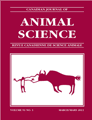
CANADIAN JOURNAL OF ANIMAL SCIENCE
Unveiling the Science Behind Animal Welfare and AgricultureCanadian Journal of Animal Science, published by Canadian Science Publishing, stands as a pivotal platform in the fields of Animal Science and Zoology, reflecting its commitment to advancing knowledge and research in these crucial areas. Operating since 1975, with dedicated publication since 1993, this journal boasts an impactful history and has established itself within the academic community, holding a 2023 Q2 category rank in Animal Science and Zoology, and a Q3 rank in Food Animals. With its ISSN 0008-3984 and E-ISSN 1918-1825, the journal is accessible to a wide audience, promoting collaboration and the dissemination of innovation across borders. Although not an open-access journal, its valuable insights and research findings serve as essential resources for researchers, professionals, and students striving to enhance their understanding of animal science, veterinary studies, and agricultural practices. As the field of animal science continues to evolve, the Canadian Journal of Animal Science remains a vibrant and influential part of this dynamic landscape.
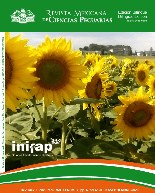
Revista Mexicana de Ciencias Pecuarias
Transforming Veterinary Practices with Cutting-Edge ResearchRevista Mexicana de Ciencias Pecuarias, published by INIFAP-CENID PARASITOLOGIA VETERINARIA, is a prominent open-access journal since 2010 that caters to the fields of Animal Science and Veterinary Medicine. Based in Mexico, this journal addresses critical issues in animal health, production, and welfare, making it instrumental for researchers, professionals, and students seeking to advance their knowledge and practices. With an impact factor that reflects its growing influence, particularly in the Q3 quartile rankings in both Animal Science and Zoology as well as Veterinary (Miscellaneous) categories, the journal provides a vital platform for the dissemination of innovative research and findings. Additionally, its Scopus Ranks position highlights its role in publishing significant contributions to the fields of Veterinary Science and Agricultural Biology. The journal fosters a collaborative learning environment through its open-access model, ensuring that valuable insights are accessible to a wide audience. For those committed to enhancing animal well-being and advancing veterinary practices, the Revista Mexicana de Ciencias Pecuarias stands as a key resource through its rigorous peer-reviewed publication process and commitment to scientific excellence.
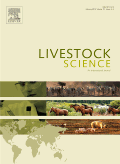
Livestock Science
Advancing Knowledge in Animal Science and Veterinary MedicineLivestock Science is a prestigious academic journal published by ELSEVIER, dedicated to the comprehensive study of animal science and veterinary medicine. With an esteemed Q1 ranking in both the fields of Animal Science and Zoology, as well as Veterinary (miscellaneous) in 2023, this journal is recognized for its impactful contributions to the understanding of livestock health, production, and management. The journal has consistently earned its high position within Scopus, ranking 26th out of 194 in General Veterinary and 86th out of 490 in Animal Science and Zoology, reflecting its significant influence within the research community. The open access policy allows for broader dissemination of knowledge, promoting collaboration among researchers, professionals, and students alike. With its continuous publication cycle from 2006 to 2024, Livestock Science remains an essential resource for anyone interested in the advancements, challenges, and innovations within the field of livestock management and veterinary practices.

Applied Animal Science
Exploring the Intersection of Research and Practical ApplicationsApplied Animal Science, published by Elsevier Science Inc, is an esteemed journal that has quickly made its mark in the fields of Animal Science and Food Science since its inception in 2019. With an ISSN of 2590-2873 and an E-ISSN of 2590-2865, this journal has received commendable recognition, achieving a Q2 ranking in both categories as of 2023. Encompassing a broad scope that integrates cutting-edge research and practical applications, Applied Animal Science seeks to disseminate knowledge that advances the well-being of animal systems and food safety. Researchers and professionals in the agricultural and biological sciences benefit from its high-quality articles, which are ranked #152 out of 490 and #200 out of 389 in their respective fields according to Scopus rankings. While currently not open access, the journal remains accessible to a global audience of scholars eager to explore innovative findings and robust methodologies. As it continues to grow through 2024 and beyond, Applied Animal Science aims to be a pivotal platform for fostering knowledge exchange and inspiring future studies in its domain.

ANIMAL SCIENCE PAPERS AND REPORTS
Exploring Innovations in Genetics and BiotechnologyANIMAL SCIENCE PAPERS AND REPORTS, published by the Polish Academy of Sciences, Institute of Genetics and Animal Biotechnology, is a distinguished platform for interdisciplinary research reflecting the evolving fields of Animal Science, Biotechnology, and Genetics. With an ISSN of 0860-4037 and an E-ISSN of 2300-8342, this journal serves as an essential resource for researchers and professionals aiming to advance their understanding and apply innovative methodologies in veterinary science and animal biotechnology. Despite being classified in Quartile 4 across several categories in 2023 and noting a notable country-based focus in Poland, it continues to provide valuable insights into animal genetics and biotechnological advancements, particularly as it converges its content from 2007 to 2024. While currently not an open access journal, ANIMAL SCIENCE PAPERS AND REPORTS is committed to upholding academic rigor, making it a key asset for students, researchers, and industry professionals looking to contribute to and stay informed in these vital scientific areas.