
Brewing Science
metrics 2024
Elevating Brewing Knowledge Through Rigorous Research
Introduction
Brewing Science, published by Fachverlag Hans Carl, is a distinguished academic journal focusing on the diverse and intricate fields of Applied Microbiology, Biotechnology, and Food Science. With its roots extending from 2007 to 2022, this journal serves as a crucial resource for researchers and professionals in the brewing industry and associated disciplines. While the journal is categorized in the Q4 quartile for several relevant fields in 2023, its dedication to disseminating knowledge about fermentation science, microbiological applications in brewing, and innovative biotechnology remains steadfast. Although currently not an open access journal, it ensures the availability of significant research findings to its audience. The journal aims to foster the development of brewing technologies and improvements in food science, making it an essential platform for academics and practitioners looking to enhance their expertise and contribute to the growing body of knowledge in this vital sector.
Metrics 2024
 0.150.600.8020
Metrics History
Rank 2024
Scopus
IF (Web Of Science)
JCI (Web Of Science)
Quartile History
Similar Journals

Izvestiya Vuzov-Prikladnaya Khimiya i Biotekhnologiya
Exploring the Intersection of Theory and PracticeIzvestiya Vuzov-Prikladnaya Khimiya i Biotekhnologiya, published by Irkutsk National Research Technical University, is a prominent open-access journal dedicated to advancing the fields of applied chemistry and biotechnology. Since its inception in 2011, this journal has provided a platform for the dissemination of significant research findings, innovative techniques, and technological advancements that bridge the gap between theoretical frameworks and practical applications. The journal is indexed in various databases, ensuring that published works reach a global audience of researchers, professionals, and students eager to explore the latest developments in these critical disciplines. With its commitment to open-access publishing, Izvestiya Vuzov-Prikladnaya Khimiya i Biotekhnologiya plays a vital role in fostering collaboration and knowledge sharing within the scientific community, thus contributing to the advancement of both fields in a rapidly evolving technological landscape.
Chemical Industry & Chemical Engineering Quarterly
Connecting Scholars and Professionals in Chemical Innovation.Chemical Industry & Chemical Engineering Quarterly is a distinguished, open-access journal published by ASSOC CHEMICAL ENG that serves as a vital platform for innovative research within the field of chemical engineering. Established in 2000 and actively disseminating knowledge since then, this journal has garnered acknowledgment for its contribution to the field, currently being ranked in the third quartile (Q3) of Chemical Engineering (Miscellaneous) for 2023. With a focus on advancing understanding of chemical processes and facilitating the integration of industry operations with engineering principles, it provides a forum for both theoretical and applied research. The journal is committed to maintaining high standards of academic rigor, supported by its indexed presence in Scopus, where it ranks #173 out of 273 in the general chemical engineering category. As an open-access journal, it promotes the rapid dissemination of research findings, enhancing accessibility for scholars, professionals, and students worldwide. Based in Serbia, the journal is an essential resource for those seeking to stay at the forefront of chemical engineering advancements.
International Journal of Food Engineering
Advancing Food Innovation through Engineering ExcellenceThe International Journal of Food Engineering, published by WALTER DE GRUYTER GMBH, serves as a pivotal platform for cutting-edge research in the field of food engineering. With an ISSN of 2194-5764 and an E-ISSN of 1556-3758, this journal focuses on innovative technologies, production processes, and quality control within food systems. Located in Germany, the journal has gained notable recognition, as reflected in its Scopus rankings, which place it within the 61st percentile in miscellaneous engineering and the 50th percentile in food science. Although it operates under a traditional access model, the journal's striking category quartiles signify its importance: achieving Q2 in Engineering and Q3 in both Biotechnology and Food Science in 2023. By fostering interdisciplinary research, the International Journal of Food Engineering aims to connect scientists, engineers, and industry professionals, ultimately contributing to advancements in food safety, sustainability, and nutrition. Join a vibrant community of experts driving innovation and addressing global food challenges through your contributions to this esteemed journal.
JOURNAL OF FOOD PROCESS ENGINEERING
Driving innovation in food processing through academic excellence.JOURNAL OF FOOD PROCESS ENGINEERING, published by WILEY, is a prestigious academic journal dedicated to advancing the field of food processing through innovative engineering research and practical applications. With an ISSN of 0145-8876 and an E-ISSN of 1745-4530, this journal serves as a crucial platform for researchers and professionals focusing on the intersection of chemical engineering and food science. Operating in the United States and established in 1977, it has gained a reputation for its rigorous peer-review process and high-quality publications, reflected in its Category Quartiles of Q2 in both Chemical Engineering (miscellaneous) and Food Science for 2023. The journal is also well-positioned within the Scopus rankings, holding the 104th spot out of 389 in Agricultural and Biological Sciences and the 82nd in General Chemical Engineering. While it currently does not offer Open Access options, the JOURNAL OF FOOD PROCESS ENGINEERING remains an indispensable resource for those looking to explore critical studies and developments that shape food processing technologies by the year 2024 and beyond.
REVIEWS IN ENVIRONMENTAL SCIENCE AND BIO-TECHNOLOGY
Exploring Innovations at the Intersection of Science and NatureREVIEWS IN ENVIRONMENTAL SCIENCE AND BIO-TECHNOLOGY is a leading academic journal published by Springer, focusing on the interdisciplinary study and advancement of environmental science and biotechnological applications. With an impressive impact factor that places it in the top quartile of its categories, this journal has consistently ranked highly (Q1) in vital fields such as Applied Microbiology and Biotechnology, Environmental Engineering, Pollution, and Waste Management and Disposal, reflecting its significant contribution to these domains. Established in 2002 and continuing to publish cutting-edge research, the journal primarily caters to researchers, professionals, and students who seek to stay abreast of the latest findings and methodologies in environmental sustainability and biotechnological innovations. While it does not currently offer open-access options, subscribers have access to a wealth of comprehensive reviews and original articles that explore the ever-evolving challenges and solutions in environmental science. Located in the Netherlands, REVIEWS IN ENVIRONMENTAL SCIENCE AND BIO-TECHNOLOGY is instrumental in bridging the gap between scientific research and practical application, promoting a collaborative approach to addressing global environmental issues.
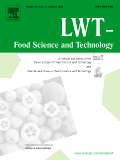
LWT-FOOD SCIENCE AND TECHNOLOGY
Innovating solutions for contemporary food challenges.LWT - Food Science and Technology is a premier academic journal published by Elsevier, specializing in the multifaceted fields of food science and technology. With a distinguished presence since its inception in 1973, this journal has evolved to become a vital resource for researchers and professionals aiming to advance knowledge in food safety, preservation, processing, and sensory analysis. Currently ranked in the Q1 quartile of food science journals, it holds an impressive Scopus ranking of 22 out of 389 in the Agricultural and Biological Sciences category, placing it in the 94th percentile. While certain articles may be available via subscription, LWT is committed to disseminating cutting-edge research that enhances food quality and innovation. This journal not only serves as a critical platform for the exchange of scientific ideas but also addresses contemporary challenges in food technology, ensuring that it remains essential for scholars, industry professionals, and students alike seeking to contribute to and stay abreast of advancements in the field.
LETTERS IN APPLIED MICROBIOLOGY
Transforming Discoveries into Practical Microbial SolutionsLETTERS IN APPLIED MICROBIOLOGY, published by OXFORD UNIVERSITY PRESS, is a prominent journal in the field of applied microbiology, serving as an essential platform for researchers and professionals to disseminate innovative findings. With an ISSN of 0266-8254 and an E-ISSN of 1472-765X, this peer-reviewed journal has been contributing to the scientific community since 1985 and continues to engage with cutting-edge research through 2024. With its current Scopus ranking placing it in the 45th percentile of its category, specifically at rank #70 out of 127 in the Applied Microbiology and Biotechnology field, it underscores its significance in advancing knowledge and applications pertinent to microbial science. Although it is not open access, LETTERS IN APPLIED MICROBIOLOGY offers comprehensive insights aimed at enhancing the understanding of microbiological phenomena in practical scenarios, making it a valuable resource for both seasoned experts and emerging scholars.
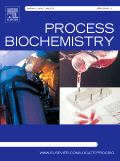
PROCESS BIOCHEMISTRY
Transforming biochemistry with groundbreaking discoveries.PROCESS BIOCHEMISTRY is a premier journal published by Elsevier Science Ltd, dedicated to advancing the field of biochemistry, microbiology, and bioengineering. With an ISSN of 1359-5113 and an E-ISSN of 1873-3298, this renowned journal is recognized for its impactful contributions, as demonstrated by its Q2 ranking in Applied Microbiology and Biotechnology, Biochemistry, and Bioengineering categories as of 2023. Covering a wide array of topics since its inception in 1950, PROCESS BIOCHEMISTRY serves as a crucial platform for researchers and professionals to disseminate innovative findings and develop new insights in enzyme technology, metabolic pathways, and bioreactor design. Although the journal operates under a non-open access policy, it remains vital for those engaged in cutting-edge biochemical research and development. Located in the United Kingdom, it continues to facilitate scientific discourse and foster collaboration among industry experts and academic scholars worldwide.
FOOD SCIENCE AND BIOTECHNOLOGY
Advancing the Future of Food and BiotechnologyFOOD SCIENCE AND BIOTECHNOLOGY, published by the Korean Society of Food Science & Technology (KOSFOST), stands as a prominent peer-reviewed journal dedicated to advancing knowledge in the fields of food science, biotechnology, and applied microbiology. With ISSN 1226-7708 and E-ISSN 2092-6456, this journal serves as a pivotal platform for disseminating high-impact research from South Korea and beyond, reflecting a robust Q2 ranking in multiple categories including Applied Microbiology and Biotechnology, Biotechnology, and Food Science as of 2023. The journal's influence is further emphasized by its positions in various Scopus ranks, where it showcases a commendable percentile ranking in Agricultural and Biological Sciences and Biochemistry. Although access options remain limited, the journal’s objectives revolve around the publication of innovative research, fostering interdisciplinary collaboration, and facilitating the exchange of ideas among a diverse community of researchers, professionals, and students. Whether you are involved in food technology, microbial biotechnology, or nutritional sciences, FOOD SCIENCE AND BIOTECHNOLOGY are instrumental in shaping the future of these critical fields, propelling advancements that enrich our understanding of food systems and health.
Food Bioscience
Elevating Food Science through Multidisciplinary InsightsFood Bioscience is a leading peer-reviewed journal published by Elsevier, dedicated to advancing the understanding of the complex interplay between food science and biosciences. With an impressive Impact Factor that places it in the Q1 and Q2 quartiles for Food Science and Biochemistry respectively, the journal consistently ranks among the top publications in its field, reflected in its Scopus rankings (Rank #83/389 in Food Science and Rank #175/438 in Biochemistry). Since its inception in 2013, Food Bioscience has fostered a multidisciplinary approach, bridging gaps between research in agricultural, biological, and food sciences, thus encouraging innovative solutions to the pressing challenges facing the global food supply chain. Although it currently operates under a subscription model, the journal is committed to disseminating high-quality research, making significant contributions to both academic scholarship and industry practices. Researchers, professionals, and students alike are invited to explore the wealth of knowledge contained within its pages as it plays a pivotal role in shaping the future of food bioscience.