
Perspective-Actualite en Histoire de L Art
Scope & Guideline
Advancing Critical Perspectives in Art History
Introduction
Aims and Scopes
- Exploration of Art Autonomy:
The journal emphasizes the concept of autonomy in art, examining how it interacts with social, political, and economic factors throughout history. - Interdisciplinary Approaches:
It incorporates methodologies from various disciplines, including sociology, politics, and cultural studies, allowing for a richer analysis of artistic practices and their implications. - Focus on Contemporary Issues:
There is a strong emphasis on contemporary art and theory, particularly in relation to current sociopolitical movements and their historical roots. - Critical Engagement with Heritage:
The journal engages with discussions about cultural heritage, memory, and identity, often in the context of postcolonial studies and globalization. - Narrative and Representation:
It highlights the importance of narrative in art history, exploring how visual and textual representations shape our understanding of art across different periods.
Trending and Emerging
- Activist Aesthetics:
There is a growing focus on activist aesthetics, examining how art can serve as a tool for social change and political engagement, particularly in the context of movements for equality and justice. - Digital and Immaterial Art Forms:
Emerging discussions around digital art, including NFTs, reflect a trend towards exploring the implications of technology on artistic practices and ownership. - Intersections of Fashion and Identity:
The journal increasingly addresses the interplay between fashion, identity, and cultural representation, highlighting how these elements shape and are shaped by artistic discourse. - Postcolonial and Global Perspectives:
A significant trend is the exploration of postcolonial narratives and global art histories, which seek to challenge and expand traditional frameworks of art history. - The Role of Gender in Art History:
The examination of gender roles and feminist perspectives in art continues to grow, reflecting broader societal conversations about representation and equity.
Declining or Waning
- Traditional Art Historical Methods:
There seems to be a waning interest in strictly traditional art historical methodologies, as the journal increasingly favors interdisciplinary and contemporary approaches. - Eurocentric Perspectives:
Fewer articles are centered exclusively on Eurocentric narratives, indicating a shift towards more global and inclusive perspectives in art history. - Static Historical Narratives:
The focus on static historical narratives is declining, replaced by dynamic discussions that incorporate the fluidity of cultural identities and artistic expressions. - Historical Art Movements:
There is a noticeable decrease in publications solely dedicated to past art movements without a contemporary lens, as the journal prioritizes relevance to current issues. - Individual Artist Focus:
Discussions centered on individual artists without broader contextual analysis appear to be less frequent, as the journal emphasizes collective movements and societal impacts.
Similar Journals

Zivot Umjetnosti
Fostering critical dialogue in the realm of artistic research.Zivot Umjetnosti, published by the INST POVIJEST UMJETNOSTI - INST ART HISTORY, is a notable Croatian journal that serves as a platform for scholarly discourse in the fields of visual arts, performing arts, and museology. With its inception in 2008, the journal has continued to provide a voice for researchers and practitioners alike, contributing significantly to ongoing conversations in the arts. Despite its current Q4 rank in both Visual Arts and Museology categories—placing it within the 21st and 17th percentiles, respectively—Zivot Umjetnosti is recognized for its commitment to advancing knowledge and fostering critical dialogue. The journal aims to bridge theoretical frameworks with practical applications, making it an invaluable resource for academics, curators, and students engaged in artistic research. While currently operating under traditional access options, Zivot Umjetnosti remains a fundamental publication for those wishing to explore and expand their understanding of the dynamic intersection of art and culture in Croatia and beyond.

Quintana-Revista do Departamento de Historia da Arte
Exploring the Depths of Art and CultureQuintana-Revista do Departamento de Historia da Arte, published by the Universidade de Santiago de Compostela, is a distinguished academic journal that focuses on the critical analysis and exploration of visual arts and performing arts. With its ISSN 1579-7414 and E-ISSN 2340-0005, this journal serves as a vital platform for researchers, professionals, and students interested in the depth of art history and cultural discourse. Operating under a Q4 category in the realm of Visual Arts and Performing Arts, the journal is committed to fostering scholarly dialogue and advancing knowledge in the field. Though it currently does not offer open access options, it remains an invaluable resource for those aiming to contribute to and understand the evolving landscape of art history. The journal covers converged years from 2011 to 2012 and 2014 to 2024, highlighting its ongoing relevance and adaptability to contemporary discussions. As it continues to enhance its visibility and impact within the 20th percentile of its category according to Scopus rankings, Quintana invites contributions that deepen our understanding of artistic expression and cultural heritage.
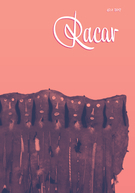
RACAR-REVUE D ART CANADIENNE-CANADIAN ART REVIEW
Engaging with the Spectrum of Canadian Visual ArtsRACAR - Revue d'Art Canadienne (Canadian Art Review), published by the University Art Association of Canada, stands as a pivotal academic journal in the field of Canadian art history and cultural studies. With its ISSN 0315-9906 and E-ISSN 1918-4778, RACAR serves as a vital platform for scholarly research and discourse, aiming to illuminate the rich tapestry of Canada's artistic heritage. Although not an open-access journal, it is committed to disseminating high-quality peer-reviewed articles that contribute to the ongoing dialogue about art in Canada. The journal's focus encompasses a diverse range of topics, from contemporary visual arts to historical investigations, appealing to researchers, professionals, and students alike. Based at the Department of History in Art at University of Victoria, RACAR fosters a critical understanding of Canadian art within broader national and global contexts, making it an essential resource for anyone engaged in this vibrant field of study.

Umeni-Art
Fostering Collaboration in Visual and Performing ArtsUmeni-Art is a prominent journal in the field of visual arts and performing arts, published by the Institute of Art History, Academy of Sciences, Czech Republic. With its ISSN 0049-5123 and E-ISSN 1804-6509, the journal has established itself as a critical platform for scholarly discourse and artistic expression since its inception in 2002. Although currently classified in Q4 within the Arts and Humanities category, it aims to elevate the understanding and appreciation of the arts through rigorous research and innovative perspectives. The journal's Scopus ranking places it at Rank #573/667, reflecting its growing contribution to the field and expanding reach within the artistic community. With a focus on fostering collaboration among researchers, practitioners, and students, Umeni-Art seeks to enrich the academic landscape with significant findings and discussions that inspire future research and creative endeavors. While it does not offer open access, the journal remains a valuable resource for those vested in exploring the dynamic interplay between art, culture, and society in the contemporary context.
Journal of Contemporary Chinese Art
Catalyzing Conversations on Contemporary Art in ChinaThe Journal of Contemporary Chinese Art is a prestigious academic publication dedicated to advancing the discourse surrounding contemporary artworks and artistic practices in China. Published by INTELLECT LTD, this journal features insightful articles and research that catalyze discussions among scholars, practitioners, and students within the Visual Arts and Performing Arts fields. With an ISSN of 2051-7041 and an E-ISSN of 2051-705X, the journal operates without open access, yet remains a pivotal resource as reflected in its Q2 ranking in the 2023 category of Visual Arts and Performing Arts, positioning it within the 70th percentile on the Scopus Ranks. Covering a diverse range of topics from global influences on Chinese art to the socio-political dimensions of artistic expressions, the journal aims to foster a deeper understanding of contemporary cultural dynamics. Since its inception in 2019 and continuing through 2024, it has established itself as a critical platform for emerging voices and established experts alike, making it an essential read for anyone engaged in the study and appreciation of modern Chinese art.

ART IN AMERICA
Illuminating America's Artistic LandscapeART IN AMERICA is a prominent journal dedicated to the exploration and critique of contemporary visual arts and practices within the United States and beyond. Published by BRANT PUBL, INC, the journal serves as an authoritative platform for scholars, artists, and enthusiasts alike, fostering vibrant dialogue and insightful analysis in the field of art. With an ISSN of 0004-3214 and a legacy dating back to 1979, ART IN AMERICA has established itself within the Q4 category of Visual Arts and Performing Arts according to the 2023 category quartiles. Although the journal currently does not offer Open Access options, it remains accessible to a diverse readership through its distribution across libraries and institutions. The journal's significance is underscored by its ability to spotlight emerging trends, critique canonical works, and promote diverse artistic voices amidst a constantly evolving cultural landscape. Researchers, professionals, and students will find ART IN AMERICA not only a valuable resource for scholarly discourse but also an essential guide to understanding the complexities and intricacies of the American art scene.
Third Text
Illuminating contemporary discourse in cultural studies.Third Text is a premier academic journal dedicated to the critical engagement with cultural and artistic practices, serving as a vital platform for scholars and practitioners in the fields of Cultural Studies and Visual Arts and Performing Arts. Published by Routledge Journals, Taylor & Francis Ltd in the United Kingdom, this journal has steadily established itself as a leader in its field since its inception in 1987. With an impressive Q2 ranking in both categories as of 2023, Third Text is noted for its rigorous peer-reviewed research and thought-provoking analysis, contributing significantly to contemporary discourse in the arts. While the journal maintains a traditional publication model, it offers a rich array of scholarly articles aimed at fostering dialogue and innovation among researchers, professionals, and students alike. Researchers looking to explore intricate cultural dynamics and the intersections of art, society, and politics will find Third Text an indispensable resource in their academic journey.
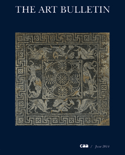
ART BULLETIN
Unveiling the Rich Tapestry of Art HistoryART BULLETIN is a prestigious journal dedicated to the fields of history and visual arts, published by Routledge Journals, Taylor & Francis Ltd. With a rich publication history dating back to 1945, this journal serves as a vital platform for scholarly discourse, presenting cutting-edge research and critical analyses that contribute to our understanding of the arts across various contexts. Despite its Q3 ranking in both the History and Visual Arts categories, the journal has managed to achieve notable stature among its peers, evidenced by its Scopus ranking, placing it in the top 20% for Visual Arts and in the top 25% for History. Scholars and students alike will find valuable insights and innovative perspectives within its pages, making it an essential resource for anyone invested in the academic exploration of art and cultural history. Although currently not open access, the journal is committed to fostering an informed community by disseminating works that encourage scholarly engagement and creative thought.
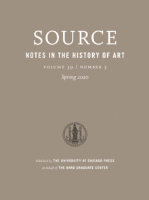
SOURCE-NOTES IN THE HISTORY OF ART
Advancing Scholarship in Visual and Performing ArtsSOURCE-NOTES IN THE HISTORY OF ART is a vital publication in the field of visual arts and performing arts, managed by the prestigious University of Chicago Press. With its ISSN 0737-4453 and E-ISSN 2328-207X, the journal serves as a scholarly platform for researchers, professionals, and students who are passionate about exploring the intricacies of art history. Although it currently holds a Q4 ranking in 2023, it provides a unique contribution by documenting and analyzing various dimensions of artistic endeavors, from historical references to contemporary practices. Despite being a newer entrant in the academic landscape, its focus on detailed source notes allows for deeper understanding and connections within art scholarship. Situated in the heart of Chicago, a city rich in artistic heritage, this journal is committed to promoting critical discourse and fostering awareness of the evolving narratives in art history. As the journal continues to cultivate rigorous academic dialogue, it stands as an essential resource for those dedicated to advancing and enriching the study of the arts.

GOYA
Enriching the Academic Landscape of Visual ArtsGOYA, published by the esteemed FUNDACION LAZARO GALDIANO, is a pivotal journal in the field of Visual Arts and Performing Arts. With an ISSN of 0017-2715, this Spanish journal serves as a critical platform for scholars, artists, and practitioners to engage with contemporary issues, trends, and methodologies in the arts. Since its inception, GOYA has strived to illuminate the intersection of artistic expression and cultural discourse, with coverage spanning from 2002 to 2024. The journal proudly holds a Q3 category ranking in the 2023 Scopus assessments for its field, reflecting its respected position among peers, with a notable rank of #377 out of 667. Though it does not follow an Open Access model, GOYA continues to contribute significantly to the academic landscape, enabling a deeper understanding of artistic practices and their societal implications. Researchers and students alike will find the journal an invaluable resource for insights and inspiration within the dynamic realm of the arts.