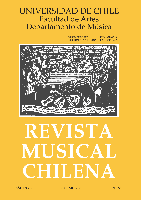
Revista Musical Chilena
Scope & Guideline
Exploring the Heartbeat of Chilean Music and Culture
Introduction
Aims and Scopes
- Ethnomusicology and Cultural Studies:
The journal emphasizes ethnomusicological research, exploring how music interacts with cultural identity, social movements, and community practices, particularly within Latin America. - Historical and Biographical Studies:
It includes studies addressing the history of music in Chile, highlighting significant figures, movements, and their cultural implications, thus contributing to a deeper understanding of the musical landscape. - Analysis of Musical Genres and Practices:
Research on various musical genres, including traditional, popular, and classical music, is a core focus. This encompasses analysis of musical forms, performance practices, and their socio-political contexts. - Gender and Music:
The journal addresses themes of gender within the musical field, investigating issues of representation, equity, and the contributions of women in music, thereby enriching the discourse on gender studies in music. - Music and Politics:
A unique contribution of the journal is its exploration of the relationship between music and political movements, particularly in the context of Latin America, providing insights into how music serves as a form of resistance and identity.
Trending and Emerging
- Music and Identity:
A growing focus on the relationship between music and identity highlights how musical expressions shape and reflect personal and communal identities, particularly in marginalized groups and during social movements. - Interdisciplinary Approaches:
The incorporation of interdisciplinary methodologies is on the rise, with scholars combining insights from sociology, anthropology, and cultural studies to enrich musicological research and address complex social issues. - Digital Music Studies:
There is an increasing interest in the impact of digital technologies on music creation and consumption, including the study of music in online platforms and its implications for cultural exchange and community building. - Queer Studies in Music:
Research examining queer themes and perspectives in music is gaining traction, providing critical insights into the intersection of sexuality, representation, and artistic expression within the musical landscape. - Environmental and Ecological Perspectives:
Emerging themes focus on the relationship between music and environmental issues, exploring how music can raise awareness and foster dialogue about ecological challenges, particularly in the context of indigenous and local communities.
Declining or Waning
- Traditional Music Preservation:
There has been a noticeable decrease in the focus on the preservation of traditional music practices, possibly due to a growing emphasis on contemporary and hybrid music forms that engage with modern socio-political contexts. - Classical Music Analysis:
The analysis of classical music, while still present, has become less prominent in favor of studies that incorporate broader cultural and social dimensions, indicating a shift in scholarly interest towards more inclusive and diverse musical narratives. - Music Education Methods:
Research specifically focused on traditional music education methodologies has waned, as the journal pivots towards more innovative and interdisciplinary approaches that integrate technology and contemporary pedagogical practices.
Similar Journals
MUSICAL QUARTERLY
Navigating the Evolving Landscape of Music StudiesMUSICAL QUARTERLY, published by Oxford University Press Inc, is a distinguished journal in the field of music, with a publication history that stretches back to 1915. This esteemed journal, identifiable by its ISSN 0027-4631 and E-ISSN 1741-8399, provides a critical platform for scholarly discourse, analysis, and research in musicology and related disciplines, facilitating an understanding of both historical and contemporary musical practices. Although it operates without open access, it continues to attract a diverse readership of researchers, educators, and students alike, thanks to its well-curated articles and reviews that engage with music theory, history, and ethnomusicology. With a current Scopus rank of #119 out of 180 in the Arts and Humanities category and a 34th percentile ranking in Music, MUSICAL QUARTERLY plays a vital role in advancing knowledge and fostering collaboration within the music academic community. Its commitment to high-quality scholarship is reflected in its ongoing efforts to address the evolving landscape of music studies, making it an essential resource for anyone serious about exploring the rich tapestry of music scholarship.

Musica Oral del Sur
Unveiling the Past, Shaping the Future of Music StudiesMusica Oral del Sur is a prominent academic journal published by the Junta Andalucía through the Centro Documentación Musical Andalucía. With its ISSN 1138-8579 and E-ISSN 2445-0391, this pioneering publication has championed open access since 1995, providing a vital platform for scholars dedicated to the exploration of traditional and contemporary oral music practices in Southern Spain and beyond. The journal is essential for researchers, professionals, and students interested in musicology, ethnomusicology, and cultural studies, promoting scholarly discourse through a rich assortment of articles, reviews, and field research. Set in the vibrant cultural landscape of Granada, the journal encourages the fusion of theoretical insights with practical implications, making significant contributions to the understanding of oral musical traditions. By fostering accessible academic dialogue, Musica Oral del Sur plays an invaluable role in preserving and highlighting the heritage of Southern musical expressions while addressing contemporary issues in the field.
Empirical Musicology Review
Bridging Theory and Practice: Where Musicology Meets MethodologyEmpirical Musicology Review is a pioneering journal in the field of musicology, published by the Ohio State University School of Music. Established as an open access journal since 2006, it aims to foster interdisciplinary research by providing a platform for scholars to disseminate empirical studies and analyses related to music. With ISSN 1559-5749, this journal plays a crucial role in expanding the understanding of music through methodological rigor and innovative practices, catering to researchers, professionals, and students alike. By promoting the accessibility of high-quality research, Empirical Musicology Review significantly contributes to the evolving landscape of music studies and enhances the global dialogue surrounding music's theoretical and practical dimensions. The journal's commitment to open access ensures that its valuable insights reach a broad audience, encouraging further exploration and collaboration within the musicology community.
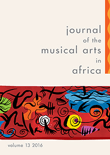
Journal of the Musical Arts in Africa
Unveiling the Richness of African SoundscapesThe Journal of the Musical Arts in Africa is a premier academic publication dedicated to exploring the rich and diverse musical traditions of the African continent. Published by ROUTLEDGE JOURNALS, TAYLOR & FRANCIS LTD, this journal offers a vital platform for researchers, professionals, and students in the field of musicology. With an ISSN of 1812-1004 and E-ISSN of 2070-626X, the journal has established itself as a significant contributor to the scholarly discourse surrounding African musical practices. With an impact factor reflecting its growing influence, the Journal of the Musical Arts in Africa is categorized in the Q3 quartile of music journals according to the latest metrics, placing it among an essential cadre of publications in the field. The journal invites original research articles, reviews, and critical essays that aim to expand the understanding of music as an integral part of African culture. It has been continuously publishing since 2004 and encompasses a wide range of topics, making it a must-read for anyone interested in the intersections of music, culture, and identity on the African continent. The journal stands as a testament to the vibrant musical heritage of Africa and encourages scholarly contributions that highlight the importance of music in reflecting and shaping societal values.
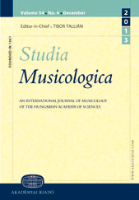
Studia Musicologica
Illuminating Music's Multifaceted Role in SocietyStudia Musicologica, published by AKADEMIAI KIADO ZRT, stands as a leading journal in the field of musicology, dedicated to the exploration and analysis of music across diverse cultures and historical contexts. With its ISSN 1788-6244 and E-ISSN 1789-2422, this journal provides an essential platform for disseminating high-quality research and critical analyses, thereby contributing significantly to scholarly discourse in music studies. Although it operates on a traditional access model, its rigor and foundational contributions ensure that it remains invaluable for researchers, professionals, and students alike. Situated in the heart of Hungary, Studia Musicologica engages with a broad spectrum of topics including music theory, ethnomusicology, and music history, fostering a deeper understanding of music's multifaceted role in society. This makes it an essential resource for anyone interested in advancing their research or professional practice within the expansive field of musicology.

Muzikoloski Zbornik
Fostering Global Discourse in Music ResearchMuzikoloski Zbornik is a prominent open-access journal in the field of musicology, published by the esteemed University of Ljubljana Press since 1965. Hailing from Slovenia, this journal has been dedicated to advancing the study of musical heritage, theory, and practice, serving as a vital platform for researchers, professionals, and students alike. With a notable Q2 category ranking in the field of music and a Scopus ranking of 109 out of 180 in Arts and Humanities, Muzikoloski Zbornik showcases high-quality research, fostering discourse and collaboration among scholars globally. The journal embraces a diverse range of topics, from ethnomusicology to music education, ensuring its relevance in an ever-evolving academic landscape. By providing unrestricted access to its content, it champions the dissemination of knowledge and supports the growth of the musicology discipline.
MUSIC & LETTERS
Fostering Scholarly Conversations in MusicologyMUSIC & LETTERS, published by Oxford University Press, is a prominent academic journal that has been at the forefront of musicology and music studies since its inception in 1920. With an ISSN of 0027-4224 and an E-ISSN of 1477-4631, the journal provides a platform for scholarly articles that explore the rich interplay between music and literature, contributing significantly to the understanding of musical context, form, and societal impact. As of 2023, it holds a respectable Q3 rank in Music within its category, positioned at Rank #66 out of 180 in the Scopus Arts and Humanities Music category. Despite not being an Open Access journal, its rigorous peer-review process and commitment to high-quality research make it an essential resource for researchers, professionals, and students alike. The journal's scope encompasses various genres and historical periods, ensuring a comprehensive examination of music's role in culture and community, thereby enhancing the scholarly discourse within this vibrant field. Based in the United Kingdom, at Great Clarendon St, Oxford OX2 6DP, England, MUSIC & LETTERS continues to inspire and inform the global music scholarly community.
MUSIC ANALYSIS
Exploring the Depths of Sound and SocietyMUSIC ANALYSIS, published by WILEY, is a prestigious journal in the field of musicology, recognized for its critical contributions to the analysis of music and its myriad influences on culture and society. With an ISSN of 0262-5245 and an E-ISSN of 1468-2249, this journal has established itself as a vital resource for researchers, professionals, and students alike, boasting a Q1 ranking in the 2023 category of Music. As part of a highly competitive field, it ranks 70th out of 180 in the Arts and Humanities Music category on Scopus, positioning it within the 61st percentile. MUSIC ANALYSIS serves as an essential platform for innovative research and insightful discourse, engaging with musical theory, practice, and education from 1996 to 2024. Its commitment to fostering rigorous scholarship makes it indispensable for those seeking to deepen their understanding of music and its analytical frameworks. Although it does not offer Open Access options, its relevance and impact in the genre ensure accessibility through institutional subscriptions and university libraries.
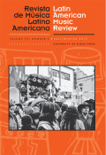
LATIN AMERICAN MUSIC REVIEW-REVISTA DE MUSICA LATINOAMERICANA
Advancing Scholarly Dialogue in Latin American MusicologyLATIN AMERICAN MUSIC REVIEW-REVISTA DE MUSICA LATINOAMERICANA stands as a prominent scholarly journal dedicated to the profound and diverse traditions of Latin American music. Published by University of Texas Press, this journal offers a platform for critical analysis, innovative research, and the dissemination of knowledge concerning the rich cultural heritage of Latin America. Although it currently does not provide open access options, the journal has made significant contributions to the field since its establishment, engaging a wide array of interdisciplinary perspectives. With coverage spanning from 2002 to 2009, the journal has been central to fostering scholarly dialogue and expanding the academic understanding of Latin American musicology, serving as an essential resource for researchers, professionals, and students alike. The journal is vital for those exploring the intersections of music, culture, and identity within the vibrant landscapes of Latin America.

Studia Universitatis Babes-Bolyai Musica
Bridging Disciplines in the World of MusicStudia Universitatis Babes-Bolyai Musica is a prestigious academic journal dedicated to the field of musicology, published by UNIV BABES-BOLYAI. Since its inception, it has strived to foster scholarly communication and share groundbreaking research that spans various music-related disciplines, including ethnomusicology, music theory, and performance studies. The journal operates under an Open Access model since 2021, ensuring that its content is freely accessible to a global audience of researchers, professionals, and students interested in advancing their knowledge and understanding of music. By providing a platform for high-quality, peer-reviewed articles, Studia Universitatis Babes-Bolyai Musica plays a vital role in promoting significant contributions to the evolving discourse in music studies. Its commitment to intellectual rigor and openness aligns with contemporary academic trends, making it an essential resource in the realm of music research.