
Problemy Muzykalnoi Nauki-Music Scholarship
Scope & Guideline
Exploring the Depths of Music Scholarship
Introduction
Aims and Scopes
- Historical Musicology:
The journal publishes research that delves into the historical contexts, evolutions, and influences of musical styles and genres, including studies on specific composers and their works. - Ethnomusicology:
There is a strong emphasis on folk music traditions, exploring the cultural significance and regional characteristics of musical practices, particularly within Russian and neighboring cultures. - Music Theory and Analysis:
Contributions often include detailed analyses of musical forms, styles, and structures, providing insights into compositional techniques and the theoretical underpinnings of various musical genres. - Music Pedagogy:
The journal addresses educational approaches in music, discussing innovative methods and curricula in music teaching, particularly within conservatories and music schools. - Interdisciplinary Studies:
The integration of music with other art forms and disciplines, such as film, literature, and visual arts, is a notable focus, reflecting a holistic view of the cultural landscape.
Trending and Emerging
- Digitalization and Technology in Music:
Recent publications highlight the impact of digital technologies on music creation, distribution, and education, emphasizing the relevance of technology in contemporary musicology. - Interdisciplinary Approaches:
There is a noticeable increase in research that intersects music with other fields, such as psychology, sociology, and visual arts, suggesting a trend towards more holistic and cross-disciplinary studies. - Cultural and Social Contexts of Music:
Emerging themes emphasize the role of music in cultural identity, social movements, and community engagement, reflecting a broader interest in the societal implications of music. - Contemporary Composers and New Music:
The journal is increasingly publishing works that focus on contemporary composers and new music trends, showcasing the evolution of musical language and styles in the 21st century. - Music and Mental Health:
Research exploring the therapeutic aspects of music and its role in mental health has gained prominence, reflecting growing interest in the psychological impact of musical engagement.
Declining or Waning
- Traditional Classical Music Studies:
There seems to be a waning interest in traditional studies focused solely on classical music from the Western canon, as contemporary themes and interdisciplinary approaches gain more traction. - Soviet Musicology:
Research specifically centered on Soviet-era music and its theoretical frameworks is becoming less prominent, possibly due to a broader shift towards global and contemporary music studies. - Narrow Genre Studies:
Specific studies that focus on narrow genres or styles, such as particular forms of folk music or niche classical traditions, are less frequently published, indicating a move towards broader and more integrative analyses.
Similar Journals
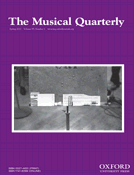
MUSICAL QUARTERLY
Unveiling the Depths of Musical KnowledgeMUSICAL QUARTERLY, published by Oxford University Press Inc, is a distinguished journal in the field of music, with a publication history that stretches back to 1915. This esteemed journal, identifiable by its ISSN 0027-4631 and E-ISSN 1741-8399, provides a critical platform for scholarly discourse, analysis, and research in musicology and related disciplines, facilitating an understanding of both historical and contemporary musical practices. Although it operates without open access, it continues to attract a diverse readership of researchers, educators, and students alike, thanks to its well-curated articles and reviews that engage with music theory, history, and ethnomusicology. With a current Scopus rank of #119 out of 180 in the Arts and Humanities category and a 34th percentile ranking in Music, MUSICAL QUARTERLY plays a vital role in advancing knowledge and fostering collaboration within the music academic community. Its commitment to high-quality scholarship is reflected in its ongoing efforts to address the evolving landscape of music studies, making it an essential resource for anyone serious about exploring the rich tapestry of music scholarship.
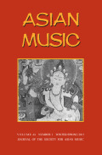
ASIAN MUSIC
Connecting Cultures Through the Language of Music.ASIAN MUSIC is a distinguished academic journal published by University of Texas Press, focusing on the rich and diverse musical traditions of Asia. With an ISSN of 0044-9202 and an E-ISSN of 1553-5630, this journal serves as a key platform for interdisciplinary research that encompasses musicology, ethnomusicology, and cultural studies related to Asian music practices. While ASIAN MUSIC is not an open-access journal, it provides valuable insights and scholarly articles that contribute significantly to the understanding of music’s role within Asian cultures. The journal originally covered works from 2002 to 2010 and has a reputation for fostering discussions that celebrate the intricacies of sound, performance, and society. Targeting researchers, professionals, and students alike, ASIAN MUSIC stands as a crucial resource for those engaged in the study of music in its multifaceted context.
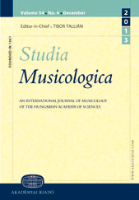
Studia Musicologica
Illuminating Music's Multifaceted Role in SocietyStudia Musicologica, published by AKADEMIAI KIADO ZRT, stands as a leading journal in the field of musicology, dedicated to the exploration and analysis of music across diverse cultures and historical contexts. With its ISSN 1788-6244 and E-ISSN 1789-2422, this journal provides an essential platform for disseminating high-quality research and critical analyses, thereby contributing significantly to scholarly discourse in music studies. Although it operates on a traditional access model, its rigor and foundational contributions ensure that it remains invaluable for researchers, professionals, and students alike. Situated in the heart of Hungary, Studia Musicologica engages with a broad spectrum of topics including music theory, ethnomusicology, and music history, fostering a deeper understanding of music's multifaceted role in society. This makes it an essential resource for anyone interested in advancing their research or professional practice within the expansive field of musicology.
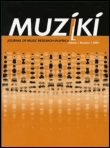
Muziki-Journal of Music Research in Africa
Advancing Scholarship in African MusicologyMuziki - Journal of Music Research in Africa is a leading publication dedicated to exploring the rich tapestry of music research across the African continent. Published by Routledge Journals, Taylor & Francis Ltd, this journal has been at the forefront of scholarly discourse since its inception in 2004, providing a platform for innovative and interdisciplinary approaches to the study of music. With an ISSN of 1812-5980 and E-ISSN of 1753-593X, it ensures wide accessibility to both print and digital audiences. As of 2023, it holds a prestigious Q3 ranking in the field of Music, reflecting its commitment to quality scholarship and the promotion of diverse musical narratives. Muziki is particularly invaluable for researchers, professionals, and students seeking to deepen their understanding of African musicology and its socio-cultural relevance. The journal publishes original research articles, reviews, and critical essays, highlighting contemporary developments and historical contexts in music research. With a Scopus rank of 59/180 in the Arts and Humanities Music category, it stands as a respected source for advancing knowledge and fostering dialogue within the global music community.

REVUE DE MUSICOLOGIE
Exploring the Harmonies of MusicologyREVUE DE MUSICOLOGIE is a prominent academic journal dedicated to the diverse field of musicology, published by EDITIONS TRANSATLANTIQUES in France. With an ISSN of 0035-1601, this journal has been a key platform for researchers and scholars since its inception, fostering scholarly discourse and advancing the understanding of music's cultural, theoretical, and historical dimensions. Although it currently holds a Q4 category in Music according to the 2023 quartiles and is ranked #140 in the Scopus Arts and Humanities Music category, REVUE DE MUSICOLOGIE continues to publish valuable insights that contribute to the global musicological landscape. The journal does not offer open access, adhering to standard subscription models. Its primary objective is to provide a rigorous forum for original research articles, reviews, and theoretical discussions, making it an essential resource for academics, professionals, and students in the field of musicology. Located at 50 RUE JOSEPH DE MAISTRE, 75018 PARIS, FRANCE, it promises to remain a vital part of music research through 2023 and beyond.

Music Theory Online
Unlocking Musical Insights: Where Theory Meets PracticeMusic Theory Online is a distinguished journal within the field of music, published by the Société for Music Theory. With an ISSN of 1067-3040, this open access journal has been providing valuable insights and scholarly contributions since 1993. Based in the United States, at the University of Chicago, Department of Music, it serves as a platform for rigorous research and discourse in music theory. The journal has achieved significant recognition, attaining a Q1 ranking within its category for 2023 and positioning itself at the 26th percentile among 180 journals in the Arts and Humanities, demonstrating its impact on the field. Facilitating access to cutting-edge studies, Music Theory Online aims to engage researchers, educators, and students by fostering a deeper understanding of music theory concepts and methodologies, thereby contributing to the advancement of musical scholarship.
Eighteenth-Century Music
Exploring the Harmonies of HistoryEighteenth-Century Music, published by Cambridge University Press, serves as a pivotal platform for scholarly discussion surrounding music from the eighteenth century, ranging from musicology to cultural studies. With an ISSN of 1478-5706 and an E-ISSN of 1478-5714, this journal offers a unique lens into the musical landscape of the era, dissecting its myriad influences and contexts. Although it currently holds a Q4 ranking in the field of Music as per the 2023 category quartiles, its contributions are invaluable for researchers, professionals, and students eager to delve into historical music research. Operating from the United Kingdom, with an address at Edinburgh Bldg, Shaftesbury Rd, Cambridge, England, this journal invites submissions that engage with the long-standing traditions and transformative contexts of the period. By fostering an academic dialogue among its readership, Eighteenth-Century Music aims to illuminate the complexities and innovations within the realm of eighteenth-century music studies.
MUSIC ANALYSIS
Bridging Theory and Practice in Musical ResearchMUSIC ANALYSIS, published by WILEY, is a prestigious journal in the field of musicology, recognized for its critical contributions to the analysis of music and its myriad influences on culture and society. With an ISSN of 0262-5245 and an E-ISSN of 1468-2249, this journal has established itself as a vital resource for researchers, professionals, and students alike, boasting a Q1 ranking in the 2023 category of Music. As part of a highly competitive field, it ranks 70th out of 180 in the Arts and Humanities Music category on Scopus, positioning it within the 61st percentile. MUSIC ANALYSIS serves as an essential platform for innovative research and insightful discourse, engaging with musical theory, practice, and education from 1996 to 2024. Its commitment to fostering rigorous scholarship makes it indispensable for those seeking to deepen their understanding of music and its analytical frameworks. Although it does not offer Open Access options, its relevance and impact in the genre ensure accessibility through institutional subscriptions and university libraries.

Opus
Exploring the Harmonies of Music ResearchOpus is an esteemed open-access journal published by the Associação Nacional de Pesquisa e Pós-Graduação em Música in Brazil, focusing on the field of music studies. With an ISSN of 1517-7017, Opus has been dedicated to fostering innovative research since its inception and has embraced the open-access model since 2009, ensuring that its findings are readily accessible to scholars and enthusiasts globally. The journal has achieved a commendable Q2 ranking in Music as of 2023, showcasing its impact and relevance within the arts and humanities. Although currently ranked #130 out of 180 in Scopus in the music category, Opus maintains a commitment to enhancing the scholarly discourse in musicology through empirical studies, theoretical analyses, and interdisciplinary approaches. The journal's convergence over the years, from 2017 to 2024, reflects its dedication to evolving educational and research methodologies in music. Situated in the vibrant academic landscape of Campinas, SP, Brazil, Opus invites researchers, professionals, and students to contribute to its mission of exploring the multifaceted dimensions of music.

RIVISTA ITALIANA DI MUSICOLOGIA
Celebrating the Art and Science of Music StudiesRIVISTA ITALIANA DI MUSICOLOGIA, published by the Italian Society of Musicology, is a distinguished journal dedicated to the field of musicology, offering a platform for scholarly research and discourse on a wide array of musical topics. With an ISSN of 0035-6867 and an E-ISSN of 2036-5586, this journal has contributed significantly to the understanding of music in cultural and historical contexts. Although the scope of coverage was marked from 2003 to 2008 in renowned databases like Scopus, the journal continues to serve as an invaluable resource for researchers, educators, and students embroiled in music studies. Its emphasis on rigorous research and critical analysis makes it a vital asset for anyone seeking to deepen their knowledge of musicological inquiry. While not an open-access publication, the RIVISTA ITALIANA DI MUSICOLOGIA remains a prestigious outlet for scholarly contributions that reach audiences eager to explore the complexities of musical heritage.