
Journal of Agriculture and Food Research
Scope & Guideline
Connecting Ideas for a Healthier Planet
Introduction
Aims and Scopes
- Sustainable Agricultural Practices:
Research focusing on the development and implementation of sustainable farming practices, particularly in livestock and crop production systems, to mitigate environmental impacts and enhance productivity. - Food Quality and Safety:
Studies that assess the quality, safety, and sensory characteristics of food products, including research on processing techniques, nutritional content, and consumer preferences. - Animal Health and Welfare:
Investigations into the health, welfare, and genetic traits of livestock, aiming to improve animal husbandry practices and ensure ethical treatment of farm animals. - Agro-environmental Research:
Research that evaluates the interactions between agricultural practices and the environment, focusing on biodiversity, soil health, and the impacts of farming on natural ecosystems. - Innovative Technologies in Agriculture:
Exploration of new technologies and methodologies, such as precision agriculture and data analytics, to enhance efficiency and sustainability in farming operations. - Consumer Behavior and Food Choices:
Research examining consumer attitudes towards food products, including willingness to try alternative protein sources and the impact of socio-economic factors on food choices.
Trending and Emerging
- Climate Impact and Mitigation Strategies:
There is a growing emphasis on understanding and mitigating the impacts of climate change, particularly in relation to livestock emissions and sustainable farming practices. - Consumer Acceptance of Alternative Proteins:
Research exploring consumer willingness to adopt alternative protein sources, such as insects, is trending, reflecting broader shifts in dietary preferences and sustainability concerns. - Precision Agriculture and Data Utilization:
The integration of technology in agriculture, including precision farming techniques and data analytics, is on the rise, with studies focusing on optimizing resource use and enhancing productivity. - Enhanced Animal Welfare Practices:
Emerging research is increasingly focusing on the welfare of livestock, advocating for improved practices that consider ethical treatment and the health of animals within farming systems. - Agro-ecological and Biodiversity Research:
There is a notable trend towards research that supports biodiversity in agricultural systems, highlighting the importance of ecological balance and sustainable land management.
Declining or Waning
- Traditional Crop Research:
Research on conventional crop varieties and traditional farming methods is declining, as there is a growing focus on innovative and sustainable practices that enhance resilience to climate change. - General Animal Breeding Studies:
While still relevant, studies focusing solely on traditional animal breeding without the integration of genetic advancements or welfare considerations are becoming less frequent. - Static Nutritional Studies:
Research that does not incorporate dynamic factors such as environmental impacts or consumer trends in nutrition is losing traction in favor of more comprehensive studies that address these complexities. - Historical Agricultural Practices:
Research on historical agricultural practices is diminishing, as the journal increasingly prioritizes contemporary issues and forward-looking solutions in agriculture.
Similar Journals
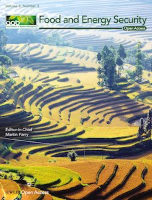
Food and Energy Security
Pioneering Research at the Intersection of Food and EnergyFood and Energy Security, an esteemed journal published by WILEY, is dedicated to advancing the fields of food science, agriculture, and renewable energy. Since its inception in 2012, this open-access journal has provided a platform for groundbreaking research and innovative practices that address global challenges related to food production and energy sustainability. With an impressive impact factor reflected in its Q1 quartile rankings across notable categories such as Agronomy and Crop Science and Food Science, this journal is instrumental for researchers and practitioners alike who are focused on enhancing food security and promoting sustainable energy solutions. The journal's scope encompasses multidisciplinary approaches and encourages submissions that explore the intersection of food systems and energy dynamics, ensuring relevance in the evolving landscape of environmental science and policy. By offering open access to its publications, Food and Energy Security commits to making vital research accessible, fostering informed dialogue and collaboration among scholars, policymakers, and the agrifood industry worldwide.

Journal of Agricultural Sciences-Tarim Bilimleri Dergisi
Empowering Research in Plant and Animal SciencesJournal of Agricultural Sciences - Tarim Bilimleri Dergisi, published by Ankara University, Faculty of Agriculture, is a prominent open-access journal that has been fostering academic dialogue in the field of agricultural studies since 2010. With ISSN 1300-7580 and E-ISSN 2148-9297, this journal contributes significantly to the scientific community, particularly within the realms of agronomy, crop science, animal science, and plant science. As of 2023, it holds a Q3 classification in Agronomy and Crop Science, and Q4 in both Animal Science and Zoology and Plant Science, indicating its growing influence and dedication to advancing research in these areas. Situated in Turkey, this journal serves as a vital platform for scholars, professionals, and students, inviting submissions that enhance our understanding of agricultural innovation and sustainability. With a commitment to disseminating high-quality research, Journal of Agricultural Sciences ranks favorably within Scopus, providing an invaluable resource for exploring evolving agricultural paradigms.
JARQ-JAPAN AGRICULTURAL RESEARCH QUARTERLY
Empowering Agricultural Practices Through ResearchJARQ - Japan Agricultural Research Quarterly serves as a pivotal platform in the field of agricultural sciences, published by the esteemed Japan International Research Center for Agricultural Sciences. Established in 1973, this journal has a rich history and plays a critical role in disseminating significant research findings relevant to agronomy, crop science, animal science, ecology, and biotechnology. Despite its ranking in the lower quartiles, with impressive coverage from 1973 to 2024, it continues to attract contributions that enhance agricultural strategies and practices in Japan and beyond. The journal facilitates discussions that are essential for fostering innovation in agricultural methodologies and environmental sustainability. Accessible to a diverse audience, including researchers, academics, and practitioners, JARQ emphasizes the importance of advancing agricultural research and its implications for food security and ecological balance.
ANNALS OF AGRICULTURAL SCIENCES
Pioneering Research in the Heart of AgricultureANNALS OF AGRICULTURAL SCIENCES, published by Elsevier, stands as a leading open access journal dedicated to the multifaceted field of agricultural sciences. Since its inception in 2011, this journal has served as a pivotal platform for the dissemination of high-quality research, covering areas such as agronomy, animal science, horticulture, food science, plant science, and soil science. With an impressive Q1 ranking across multiple disciplines and notable positions in Scopus Ranks—including #6 in Animal Science and Zoology and #3 in Horticulture—this journal is recognized globally for its significant contribution to advancing agricultural innovations. The journal caters to a diverse audience of researchers, professionals, and students, providing them with open access to cutting-edge studies that address critical issues in agricultural productivity and sustainability. Its commitment to high-impact research ensures that articles contribute meaningfully to the scientific community, fostering advancements in agricultural practices and policies.
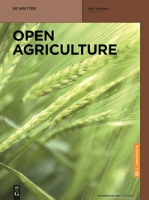
Open Agriculture
Driving Change in the Agricultural LandscapeOpen Agriculture, published by DE GRUYTER POLAND SP Z O O, is an innovative open-access journal dedicated to advancing research in the Agricultural and Biological Sciences. Since its inception in 2016, this journal has been committed to disseminating knowledge and facilitating collaboration among researchers, professionals, and enthusiasts in the agricultural sector. With an impressive Q2 ranking in the Agricultural and Biological Sciences category, it holds a prestigious position, ranking #65 out of 221 in its field, placing it in the 70th percentile. Open Agriculture offers a platform for high-quality research across a diverse range of topics, ensuring that crucial findings are readily accessible to the global scientific community. The journal continues to uphold its mission of promoting sustainable agricultural practices and innovations that address contemporary challenges in food security and environmental sustainability. With its strong commitment to open access principles, researchers and students alike can easily engage with cutting-edge research and contribute to the vibrant discourse surrounding modern agriculture.
AGRICULTURAL AND FOOD SCIENCE
Championing sustainable solutions in agriculture and food sciences.AGRICULTURAL AND FOOD SCIENCE is a prestigious journal published by the SCIENTIFIC AGRICULTURAL SOCIETY OF FINLAND, dedicated to advancing knowledge in the fields of agricultural and food sciences. With an ISSN of 1459-6067 and E-ISSN of 1795-1895, this open-access journal has been providing valuable insights and research findings since its inception in 2002. As of 2023, it holds a Q3 ranking in Food Science and is positioned at the 46th percentile within its Scopus category, ranking 210 out of 389 journals in Agricultural and Biological Sciences – Food Science. The journal features contributions from a global network of researchers, covering various topics including sustainable agricultural practices, food safety, and innovative food technologies. Based in Finland, the journal serves as an essential platform for scholars, professionals, and students who are committed to enhancing food security and agricultural productivity through rigorous scientific research. The convergence of interdisciplinary studies from 2004 to 2024 marks a critical evolution in the scope of agricultural and food research, making this journal a vital resource for anyone involved in these dynamic fields.
Asian Journal of Agriculture and Biology
Transforming research into practice for sustainable agriculture and health.Welcome to the Asian Journal of Agriculture and Biology, a premier open access journal published by LIFE SCIENCES SOC PAKISTAN, dedicated to advancing research in the fields of agricultural and biological sciences. Since its inception in 2013, this journal has provided a vital platform for scholars and practitioners to disseminate novel findings and innovative methodologies that contribute to the betterment of agricultural practices and biological research. With an impressive H-Index and ranked in the Q3 category across multiple disciplines including Agricultural and Biological Sciences, Biochemistry, Genetics, and Molecular Biology, as well as Medicine, the journal showcases high-quality research that influences both academic and practical applications globally. The journal is indexed in Scopus, reinforcing its commitment to high academic standards and providing researchers with efficient access to significant knowledge. Based in Pakistan, the Asian Journal of Agriculture and Biology is your gateway to staying abreast of the latest trends and discoveries that support sustainable development and health sciences.

TROPICAL AGRICULTURE
Driving research excellence in tropical farming practices.Tropical Agriculture is a reputable journal dedicated to advancing knowledge and research in the fields of Agronomy and Development, with a particular emphasis on tropical farming practices and agricultural innovation. Published by the University of the West Indies, this journal serves as a crucial resource for researchers, professionals, and students engaged in the complexities of agriculture in the tropics. Established in 1979, it has witnessed significant contributions and continues to facilitate scholarly discussions through its quarterly publications. While the journal currently holds a Q4 ranking in both the Agronomy and Development categories, its commitment to fostering research excellence positions it as a pivotal platform for emerging studies and regional agricultural advancements. Although not an open-access publication, it provides critical insights and localized research that greatly benefit the agricultural community, particularly within the Caribbean context. Researchers and professionals in the field can rely on this journal for insightful content on tropical agricultural challenges and developments, enhancing knowledge dissemination and application across related disciplines.

Revista de la Facultad de Agronomia de la Universidad del Zulia
Transforming Agriculture: Discoveries that MatterWelcome to the Revista de la Facultad de Agronomia de la Universidad del Zulia, a key publication in the fields of Agronomy, Animal Science, Food Science, and Plant Science. Published by the Facultad de Agronomía, Universidad del Zulia, this journal aims to foster academic dialogue and disseminate impactful research that advances knowledge and practice within these disciplines. Operating under the ISSN 0378-7818 and E-ISSN 2477-9407, this journal offers a platform for both emerging and established scholars to share their discoveries and innovations. Despite its challenges, as reflected in its Q4 ranking across multiple categories in 2023, it remains a vital resource for the Venezuelan scientific community and beyond. Readers will benefit from a diverse array of studies and discussions that address contemporary issues in agriculture and related fields, helping inform best practices and policy. Engage with cutting-edge research from Venezuela and contribute to the development of agronomic sciences in the region.
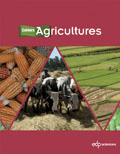
CAHIERS AGRICULTURES
Connecting researchers to shape agricultural practices.CAHIERS AGRICULTURES is a distinguished open-access journal published by EDP Sciences S A, focusing on the vital fields of Agronomy and Crop Science, Animal Science and Zoology, as well as Management, Monitoring, Policy, and Law. With an ISSN of 1166-7699 and an E-ISSN of 1777-5949, this journal has notably maintained a strong presence in the academic landscape since its establishment, covering a wide range of topics pertinent to agricultural sciences. Based in France, CAHIERS AGRICULTURES fosters collaboration and knowledge sharing among researchers and practitioners through its open-access model, which has been in effect since 2014. The journal is recognized for its rigorous peer-review process, reflected in its competitive Scopus rankings, which place it in the Q2 quartile for both Agronomy and Crop Science, and Animal Science and Zoology. Researchers and scholars are encouraged to contribute cutting-edge findings that may influence agricultural practices and policy development. With a vision to advance sustainable agricultural practices, CAHIERS AGRICULTURES stands as a critical resource for advancing scientific knowledge and informing stakeholders in the agricultural sector.