JOURNAL OF AGRONOMY AND CROP SCIENCE
metrics 2024
Cultivating knowledge for tomorrow's agricultural challenges.
Introduction
JOURNAL OF AGRONOMY AND CROP SCIENCE, published by Wiley, stands as a leading platform in the fields of agronomy and crop science, reflecting its commitment to advancing knowledge through rigorous research. With an impressive H-index that signifies its scholarly impact, this journal has consistently maintained a prestigious Q1 ranking in both Agronomy and Crop Science, and Plant Science as of 2023. With a robust ranking of #46/516 in Plant Science and #39/406 in Agronomy and Crop Science according to Scopus, it sits comfortably within the top percentiles, emphasizing its relevance and authority in the academic community. The journal has been a vital resource since its inception in 1973, with ongoing coverage until 2024, making it an essential reference for researchers, professionals, and students looking to navigate the latest developments and insights in crop management and agricultural practices. Although it does not currently offer open access options, JOURNAL OF AGRONOMY AND CROP SCIENCE remains committed to providing high-quality, peer-reviewed content that fosters innovation and encourages sustainable solutions within the agronomy sector.
Metrics 2024
 0.913.704.0092
Metrics History
Rank 2024
Scopus
IF (Web Of Science)
JCI (Web Of Science)
Quartile History
Similar Journals
Crop & Pasture Science
Empowering ecologists and agronomists with cutting-edge insights.Crop & Pasture Science is a leading journal published by CSIRO PUBLISHING, focusing on the critical fields of agronomy, crop science, and plant science. With an impressive Q2 ranking in both categories as of 2023, this journal plays a vital role in disseminating high-quality research that addresses the challenges in sustainable agriculture and food security. Featuring full open-access options, Crop & Pasture Science ensures your research reaches a wide audience, fostering collaboration and innovation among ecologists, agronomists, and plant scientists. With a steady record of contributions since its establishment and a convergence of knowledge from 2009 to 2024, this journal stands at the forefront of the agricultural sciences, providing a robust platform for the latest advancements and discoveries. Located in Australia, the journal serves a global community, making it an essential resource for anyone invested in the future of agriculture and environmental sustainability.

Italian Journal of Agrometeorology-Rivista Italiana di Agrometeorologia
Exploring Climate Impacts on Agriculture and ForestryItalian Journal of Agrometeorology - Rivista Italiana di Agrometeorologia is a prominent academic journal published by FIRENZE UNIV PRESS that focuses on the intersection of agriculture, meteorology, and environmental science. Since its inception in 2008, this journal has been pivotal in disseminating vital research findings that address the challenges posed by climate change to agricultural practices and forestry management. With a scope that encompasses agronomy, atmospheric science, and forestry, it holds respectable rankings within Scopus, specifically ranking 81/174 in Forestry, 217/406 in Agronomy and Crop Science, and 110/148 in Atmospheric Science. As a valuable resource for researchers, professionals, and students alike, the journal fosters an engaging platform for innovative studies and discussions, facilitating the advancement of knowledge in these critical fields. Access options are available, providing easy reach to its content, making it essential reading for anyone involved in agrometeorological research and application.
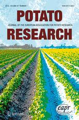
POTATO RESEARCH
Transforming agriculture, one potato at a time.POTATO RESEARCH is a prestigious journal dedicated to advancing the scientific understanding of potato cultivation and its wider implications in the fields of agronomy, crop science, and food science. Published by Springer in the Netherlands, this journal boasts an impressive impact factor and ranks in the Q2 category for both Agronomy and Crop Science, as well as Food Science in 2023, affirming its significant contribution to these disciplines. With over five decades of research converged from 1970 to 2024, POTATO RESEARCH serves as a vital platform for researchers, professionals, and students interested in the latest findings and innovations that affect potato production and processing. Although it is not an open-access journal, it remains a crucial resource for those dedicated to enhancing agricultural sustainability and food security. For inquiries or submission details, please refer to their office located at Van Godewijckstraat 30, 3311 GZ Dordrecht, Netherlands.

Egyptian Journal of Agronomy
Advancing Agricultural Science for a Sustainable FutureEgyptian Journal of Agronomy, published by the NATL INFORMATION DOCUMENTATION CENT, ACAD SCIENTIFIC RESEARCH & TECHNOLOGY, serves as a pivotal platform for researchers, professionals, and students focusing on various disciplines within the agricultural sciences, including agronomy, soil science, horticulture, and ecology. With an ISSN of 0379-3575 and E-ISSN of 2357-0288, the journal aims to bridge the gap in knowledge and innovation in the field with its comprehensive studies and frameworks. While the journal is currently categorized in low Scopus ranks, indicating immense potential for growth in influence and impact, it remains dedicated to providing quality research and fostering advancements in agronomic practices. Set in Egypt, a hub for agricultural research, the journal is committed to reflecting the regional and global challenges in agriculture. The Egyptian Journal of Agronomy is a vital resource for anyone engaged in the evolving landscape of agricultural science, offering insights that promote sustainable practices and address current issues facing the sector.
ACTA AGRICULTURAE SCANDINAVICA SECTION B-SOIL AND PLANT SCIENCE
Empowering Researchers to Shape Sustainable Agricultural PracticesACTA AGRICULTURAE SCANDINAVICA SECTION B-SOIL AND PLANT SCIENCE, published by Taylor & Francis AS, is a distinguished journal dedicated to the fields of Agronomy, Crop Science, and Soil Science. With an impressive impact factor, and categorized in Q2 for both Agronomy and Crop Science and Soil Science as of 2023, this journal is an essential resource for researchers, professionals, and students aiming to advance their understanding of soil-plant interactions and sustainable agricultural practices. Operating since 1992 and continuing through to 2024, ACTA aims to publish high-quality, peer-reviewed research that encourages the applicability of advanced scientific knowledge in real-world agricultural settings. While the journal is not open access, it remains widely accessible through institutional subscriptions, reflecting its commitment to disseminating essential findings and fostering innovation in soil and plant science worldwide. Nestled in the vibrant academic environment of Norway, ACTA AGRICULTURAE SCANDINAVICA serves as a key platform for nurturing groundbreaking research that informs sustainable agricultural policies and practices globally.
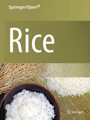
Rice
Empowering agricultural innovation through open access research.Rice, an esteemed journal published by Springer, is at the forefront of scientific research in the fields of Agronomy, Plant Science, and Soil Science. With its ISSN 1939-8425 and E-ISSN 1939-8433, the journal offers open access since 2012, ensuring that vital research findings are widely accessible to researchers, professionals, and students globally. Based in the United States, the journal has established itself as a pivotal resource, reflected in its impressive rankings—Q1 across multiple categories in 2023, including Agronomy, Plant Science, and Soil Science. With Scopus rankings positioning it in the top tiers of agricultural and biological sciences, Rice continues to foster innovative dialogue and advances in agricultural research. The journal's objectives focus on disseminating high-quality research that contributes significantly to the understanding and sustainable management of rice production, supporting global food security and agricultural practices. Researchers in this domain will find Rice to be an invaluable resource for cutting-edge findings and collaborative opportunities.

CEREAL RESEARCH COMMUNICATIONS
Exploring the frontiers of agronomy and genetics.Cereal Research Communications is a premier academic journal published by Springer Heidelberg, dedicated to advancing knowledge in the field of agri-food science with a particular focus on agronomy, crop science, genetics, and physiology. With a strong reputation reflected in its Q2 ranking in Agronomy and Crop Science, this journal serves as a vital resource for researchers, professionals, and students alike. Published in Hungary, the journal facilitates the dissemination of innovative research and practice, covering a broad spectrum from crop genetics to physiological processes, thereby fostering a multidisciplinary dialogue among scholars. The journal has maintained a consistent publication record since its inception in 1993 and will continue its commitment to academic excellence and relevance through 2024. Although it operates under a subscription model, its contributions are crucial for those engaged in improving crop productivity and sustainability. For those looking to connect with cutting-edge research and contribute to the food security dialogue, Cereal Research Communications remains an essential platform in the field.

MAYDICA
Exploring the frontiers of genetics and crop management.MAYDICA is an esteemed scholarly journal dedicated to advancing knowledge in the fields of Agronomy, Crop Science, Genetics, and Plant Science, with a commitment to disseminating high-quality research that influences practices and policies in agriculture and crop management. Published by MAYDICA-IST SPER CEREALICOLTUR and based in Italy, the journal has been a pivotal resource for researchers since its inception in 1993. The journal is currently ranked in the Q3 category for Agronomy and Crop Science and Q4 for both Genetics and Plant Science, reflecting its growing impact within the academic community. Although it operates without open access, its rigorous peer-review process ensures the integrity and relevance of the research it publishes. MAYDICA seeks to foster collaboration among scientists, practitioners, and students, encouraging the exchange of innovative ideas and methodologies that address contemporary challenges in agricultural sciences. With a focus on timely research and developments, MAYDICA is an essential platform for those looking to enhance their understanding and application of agricultural advancements.
South African Journal of Plant and Soil
Connecting researchers to cultivate ecological understanding.South African Journal of Plant and Soil is an esteemed academic publication dedicated to advancing the fields of Ecology, Plant Science, and Soil Science. Published by TAYLOR & FRANCIS LTD in the United Kingdom, this journal has been a vital resource since its inception in 1984, providing a platform for innovative research and scholarly articles that address critical issues in plant and soil management. With a current impact factor placing it in the Q3 category according to the 2023 rankings, it occupies an influential position within the academic community, especially amongst researchers focused on agricultural and environmental sciences. Although not an open-access journal, it remains accessible to a broad audience through libraries and institutions that recognize its value in facilitating ecologically and environmentally focused discussions. The journal's ongoing commitment to publishing high-quality research ensures that it plays a pivotal role in nurturing knowledge and fostering advancements in sustainable practices across southern Africa and beyond.
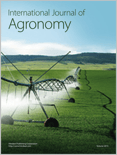
International Journal of Agronomy
Exploring the Frontiers of Agronomy and Crop ScienceIntroducing the International Journal of Agronomy, an influential publication in the field of agricultural sciences, established by HINDAWI LTD. With an impact factor that reflects its relevance and quality, this journal has been an essential resource for researchers and professionals since its shift to Open Access in 2009, facilitating widespread dissemination of knowledge. Based in the United States, the journal has achieved notable recognition within the academic community, currently ranked in the Q2 quartile among Agronomy and Crop Science, with an impressive Scopus Rank of #139 out of 406 in its category, representing the top 65th percentile. Spanning from 2013 to 2024, it aims to advance the understanding and innovation in agronomy through its rigorous peer-reviewed research articles, reviews, and case studies. With a commitment to enhancing global agricultural practices and sustainability, the International Journal of Agronomy stands as a vital platform for sharing cutting-edge findings that ultimately contribute to the advancement of the agronomic sciences.