
JAHRBUCH DER BERLINER MUSEEN
Scope & Guideline
Engaging with the Heart of Berlin's Heritage
Introduction
Aims and Scopes
- Research on Provenance and Historical Contexts:
The journal frequently publishes articles that delve into the provenance of artworks and artifacts, exploring their historical significance and the narratives they embody within the context of their acquisition and display. - Interdisciplinary Approaches to Art and Culture:
It adopts an interdisciplinary approach, integrating art history with sociology, anthropology, and cultural studies, thereby enriching the understanding of artifacts in their societal contexts. - Focus on Restoration and Conservation Practices:
There is a consistent emphasis on restoration and conservation efforts, highlighting the technical and ethical considerations involved in preserving cultural heritage for future generations. - Exploration of Underrepresented Artists and Narratives:
The journal aims to uncover and promote the works and legacies of lesser-known artists, as well as the cultural narratives of marginalized communities, thereby contributing to a more inclusive art historical discourse. - Documentation of Museum Practices and Collections:
Articles often provide insights into museum practices, collection management, and the evolving role of museums in society, reflecting on how these institutions shape public engagement with art and culture.
Trending and Emerging
- Cultural Sovereignty and Ethics in Museums:
Recent publications have increasingly focused on themes of cultural sovereignty, particularly in the context of museum practices and the ethical considerations surrounding cultural heritage, reflecting a broader discourse on restitution and representation. - Impact of Historical Contexts on Art:
There is a growing trend in exploring how historical contexts influence the interpretation and significance of art, particularly in relation to political and social movements, emphasizing the relevance of art in contemporary discussions. - Interactivity and Audience Engagement:
The journal is seeing more studies that investigate the role of audience interaction and engagement in museum settings, highlighting the shift towards participatory practices in the presentation and interpretation of art. - Rediscovery of Forgotten Artists and Artforms:
A notable trend is the rediscovery and scholarly attention given to lesser-known artists and traditional art forms, which seeks to broaden the narrative of art history and challenge the established canon.
Declining or Waning
- Traditional Art Historical Narratives:
There is a noticeable reduction in the emphasis on conventional art historical narratives that primarily focus on established artists and movements, suggesting a shift towards more innovative and inclusive approaches. - Local or National Focus:
The scope of research appears to be moving away from strictly local or national contexts towards more global perspectives, indicating a diminishing interest in region-specific studies. - Static Exhibitions and Collection Reviews:
Fewer articles concentrate on static exhibitions or traditional collection reviews, reflecting a growing inclination towards dynamic interpretations and contemporary exhibitions that engage with current societal issues.
Similar Journals

REVUE DES MUSEES DE FRANCE-REVUE DU LOUVRE
Exploring the Intersection of Art and HeritageREVUE DES MUSEES DE FRANCE-REVUE DU LOUVRE, published by CONSEIL MUSEES NATIONAUX, serves as a vital resource in the fields of Conservation, Museology, and the Visual Arts. With its ISSN 1962-4271 and a dedicated focus on the interplay between historical artifacts and contemporary museum practices, the journal has established itself within the academic community despite its Q4 ranking in various categories as of 2023. The journal is particularly aimed at researchers, professionals, and students who are engaged in the study of museum practices and the preservation of cultural heritage, providing insights and discussions that are both scholarly and practical. Though the journal does not have open access options, it remains a pivotal outlet for innovative ideas and critical perspectives from the vibrant French museum landscape. The issues published since its convergence years from 2009 to 2016 and from 2018 to 2024 continue to foster rich dialogues around the evolving role of museums in society, making it an essential read for anyone invested in the future of cultural institutions.
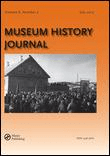
Museum History Journal
Illuminating the Past, Shaping the Future of MuseumsMuseum History Journal, published by Routledge Journals, a leading name in scholarly publishing under Taylor & Francis Ltd, serves as an essential platform for advancing knowledge in the fields of conservation, history, and museology. With its ISSN 1936-9816 and E-ISSN 1936-9824, the journal has established its presence in the United Kingdom and offers valuable insights from 2008 to 2024. Currently listed in the Q3 quartile for Conservation, History, and Museology categories, it ranks 677th in History and maintains a commendable percentile of 61% within the Arts and Humanities. Aimed at researchers, professionals, and students, the Museum History Journal strives to promote interdisciplinary dialogue and critical examination of museum practices, historical narratives, and conservation techniques, thereby contributing significantly to the academic discourse surrounding museums and cultural heritage. Access to this journal is crucial for those seeking to deepen their understanding of the evolving role of museums in society.

Laboratorio de Arte
Elevating the Standards of Arts ScholarshipLaboratorio de Arte is an esteemed journal published by UNIV SEVILLA, EDITORIAL, specializing in the interdisciplinary fields of Arts and Humanities, Conservation, Museology, and Visual Arts. With an impactful presence in research since its inception, the journal has been open access since 2006, promoting the free dissemination of knowledge and fostering academic dialogue among scholars, professionals, and students. The journal adheres to rigorous academic standards, reflected in its categorization within the Q2 and Q3 quartiles across various disciplines, and its commendable rankings in Scopus make it an essential resource for those engaged in the arts. The h-index for this journal showcases its contribution to the field, further solidifying its importance in contemporary research. As it continues to evolve through 2023 and beyond, Laboratorio de Arte serves as a vital platform for innovative thoughts and practices within the vibrant landscape of artistic and cultural studies.

MUSEOLOGIA SCIENTIFICA
Exploring Innovative Practices in Science MuseumsMUSEOLOGIA SCIENTIFICA is a distinguished journal dedicated to the study and advancement of museology, published by the ASSOCIAZIONE NAZIONALE MUSEI SCIENTIFICI in Italy. Focusing on a wide array of topics within the realm of science museums, the journal offers rich insights and research findings that shape the future of museum practices and education. Although currently not an open-access publication, MUSEOLOGIA SCIENTIFICA provides a vital platform for scholars, practitioners, and students interested in the preservation, curation, and display of scientific artifacts. By contributing to the discourse on innovative museum practices, the journal plays a crucial role in enhancing the professional standards within the field while promoting collaboration among museums worldwide. We invite researchers and practitioners alike to explore its valuable content, aimed at broadening understanding and knowledge in the ever-evolving landscape of museology.
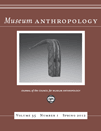
Museum Anthropology
Bridging Anthropology and Museology for a Deeper UnderstandingMuseum Anthropology, published by WILEY, is an esteemed journal dedicated to advancing the field of anthropology through the lens of museology. With an ISSN of 0892-8339 and an E-ISSN of 1548-1379, this journal not only examines ethnographic and cultural collections but also explores their implications in contemporary society. Operating from the heart of the United States, Museum Anthropology has been crucial in fostering academic discourse since 1986 and is positioned within the Q3 quartile in Anthropology and Q2 in Museology according to 2023 rankings. The journal's Scopus rankings reflect its impact, being listed at 19th out of 83 in Museology and 250th out of 502 in Social Sciences Anthropology. Although it does not currently provide open access options, it remains a vital resource for researchers, professionals, and students seeking comprehensive insights into the interconnected worlds of museums and anthropology. By bridging theoretical frameworks with practical applications, Museum Anthropology continues to play a pivotal role in shaping conversations and understanding within its field.
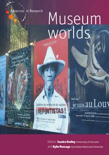
Museum Worlds
Unveiling new perspectives on museum stewardship.Museum Worlds is a distinguished academic journal published by BERGHAHN JOURNALS, dedicated to advancing scholarship in the fields of Museology and Conservation. With a strong impact within the academic community, evidenced by its 2023 Scopus rankings—#16 in Museology and #32 in Conservation—this journal offers an engaging platform for innovative research and discourse surrounding museum practices and cultural heritage. Since transitioning to Open Access in 2020, Museum Worlds has broadened its reach, making valuable insights available to researchers and practitioners globally. With its publication spanning from 2019 to 2023 and positioning in the top quartiles of respective categories, this journal is integral for those invested in the evolution of museum studies, providing a space for critical reflection, debate, and the sharing of pioneering methodologies in the stewardship of cultural institutions. Located in the heart of Brooklyn, NY, it stands as a hub for the scholarly community, inviting contributions that push the boundaries of knowledge in the ever-evolving landscape of museums.

ARS Orientalis
Connecting Scholars Through the Lens of Visual CultureARS Orientalis is a distinguished academic journal published by the Smithsonian Institution's Freer Gallery of Art, specializing in the fields of archaeology, cultural studies, and the visual and performing arts. With an ISSN of 0571-1371, this journal contributes significantly to scholarly discourse, having established a robust timeline of publication since its inception, notably from 2001 to 2006, 2010 to 2012, 2014 to 2017, and resuming again from 2022 to 2023. Though currently not open access, it maintains a respectable standing in the academic community with a categorization into Q3 quartiles across several disciplines, highlighting its relevance amid rigorous scholarly evaluation. The journal is particularly valuable for researchers, professionals, and students who seek to explore interdisciplinary connections within its scope. Situated in the United States, it aims to disseminate insightful research that bridges the gap between traditional scholarship and contemporary studies in visual culture and archaeological findings.
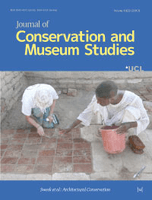
Journal of Conservation and Museum Studies
Unlocking Insights into Conservation and Museum PracticesThe Journal of Conservation and Museum Studies, published by UBIQUITY PRESS LTD, is a vital resource for researchers, professionals, and students engaged in the fields of conservation and museology. With an ISSN of 2049-4572 and an E-ISSN of 1364-0429, this Open Access journal has been committed to disseminating quality research since its inception in 2011. Based in the United Kingdom, the journal features a broad range of topics within its field, serving both theoretical and practical insights for the advancing of conservation practices and museum studies. The journal is highly regarded, standing in the Q2 quartile for both Conservation and Museology categories in 2023, and achieving commendable rankings in the Scopus classification, with a percentile rank of 86th in Museology and 76th in Conservation. This demonstrates its significance as a hub for scholarly communication and innovation, fostering a deeper understanding and appreciation of cultural heritage. Join a diverse community of experts and access cutting-edge research in the field by engaging with this essential journal.

ARTIBUS ASIAE
Elevating Academic Discourse in the ArtsARTIBUS ASIAE, published by ARTIBUS ASIAE, is a distinguished journal focused on the fields of Archeology and Visual Arts and Performing Arts. Based in Switzerland and with a history of converged years from 2002 to 2024, this journal serves as a vital platform for scholarly discourse and research dissemination within the arts and humanities. Although it currently does not offer open access, ARTIBUS ASIAE maintains a commitment to academic integrity and quality, as evidenced by its presence in Scopus rankings, which places it in the Q4 tier for both Archeology and its niche in the arts and humanities, while achieving a Q3 ranking in Visual Arts and Performing Arts. With an emphasis on advancing knowledge and understanding across various disciplines, ARTIBUS ASIAE is an essential resource for researchers, professionals, and students seeking to enrich their understanding and contribute to the ongoing dialogue in these significant areas of study.

Zivot Umjetnosti
Cultivating scholarly voices in visual and performing arts.Zivot Umjetnosti, published by the INST POVIJEST UMJETNOSTI - INST ART HISTORY, is a notable Croatian journal that serves as a platform for scholarly discourse in the fields of visual arts, performing arts, and museology. With its inception in 2008, the journal has continued to provide a voice for researchers and practitioners alike, contributing significantly to ongoing conversations in the arts. Despite its current Q4 rank in both Visual Arts and Museology categories—placing it within the 21st and 17th percentiles, respectively—Zivot Umjetnosti is recognized for its commitment to advancing knowledge and fostering critical dialogue. The journal aims to bridge theoretical frameworks with practical applications, making it an invaluable resource for academics, curators, and students engaged in artistic research. While currently operating under traditional access options, Zivot Umjetnosti remains a fundamental publication for those wishing to explore and expand their understanding of the dynamic intersection of art and culture in Croatia and beyond.