
Canadian Journal of Film Studies-Revue Canadienne d Etudes Cinematographiques
metrics 2024
Charting New Territories in Film Research
Introduction
Canadian Journal of Film Studies-Revue Canadienne d'Études Cinématographiques is a distinguished publication dedicated to the exploration of film studies within the context of Canadian cinema and global visual arts. Published by University of Toronto Press Inc., this journal offers a platform for innovative and critical scholarship, having achieved a notable Q2 ranking in the Visual Arts and Performing Arts category for 2023, with an impressive Scopus rank of 207 out of 667, positioning it in the 68th percentile among peers. With a continuous publication record since its established years from 1998 to 2001 and 2004 to 2024, it has become an essential resource for researchers, professionals, and students interested in the evolving landscape of film and cinema. The journal not only addresses theoretical perspectives but also engages with contemporary practices, thereby fostering a deeper understanding of cinematic arts. Despite not offering open access, it remains a vital repository of knowledge for those seeking to advance their studies and contribute to the discourse in film studies.
Metrics 2024
 0.120.200.309
Metrics History
Rank 2024
Scopus
JCI (Web Of Science)
Quartile History
Similar Journals

JOURNAL OF POPULAR FILM AND TELEVISION
Unpacking Popular Media's Cultural Significance.JOURNAL OF POPULAR FILM AND TELEVISION, published by Routledge Journals, Taylor & Francis Ltd, stands as a significant platform for academic discourse in the realms of cultural studies, visual arts, and performing arts. With its ISSN: 0195-6051 and an evolving digital presence indicated by its E-ISSN: 1930-6458, the journal has carved out a respected niche since its inception in 1978, continuing to contribute to scholarly discussions through 2024. Its impact within the academic community is underscored by a Q3 ranking in Cultural Studies and a Q2 ranking in Visual Arts and Performing Arts for 2023, highlighting its relevance across diverse fields. Notably, with a Scopus ranking placing it in the 74th percentile among visual arts and performing arts journals, it serves as an essential reference point for researchers, professionals, and students committed to the critical examination of film and television. Although not an open-access journal, it provides valuable insights and analysis that enrich understanding of popular media's impact on society. The journal's location in the United States, with a headquarters in Abingdon, England, further affirms its international scope and influence.

Transnational Screens
Unveiling the Complexities of Globalized Artistic ExpressionsTransnational Screens is a premier academic journal published by Taylor & Francis Ltd, focusing on the dynamic intersections of visual arts, performing arts, and communication in a globalized context. Since its inception, the journal has garnered significant recognition, featuring in the Q1 category for Visual Arts and Performing Arts and Q3 for Communication as of 2023, reflecting its influential contributions to these fields. With a Scopus ranking placing it in the 78th percentile in Visual Arts and Performing Arts, this journal serves as a vital platform for researchers, professionals, and students aiming to explore the implications of transnational narratives in contemporary media and artistic practices. The journal is accessible to a diverse readership and promotes open dialogue through its commitment to publishing innovative and interdisciplinary research from 2020 to 2024. As a key resource for understanding the complexities of transnational screens, it invites submissions that push the boundaries of traditional scholarship and engage with pressing global issues through the lens of the visual and performing arts.
British Journal of Canadian Studies
Illuminating Canada's Role in Global DiscourseThe British Journal of Canadian Studies, published by Liverpool University Press, serves as a vital platform for the exploration and dissemination of scholarly research related to Canadian studies, spanning the domains of cultural studies, history, literature and literary theory, and sociology and political science. Despite its Q4 ranking across multiple categories in the 2023 journal metrics, it offers a unique perspective on Canadian issues and engages with contemporary debates in these fields, making it a valuable resource for researchers, professionals, and students alike. By facilitating discussions that connect various disciplines, this journal encourages interdisciplinary inquiries and cross-cultural comparisons that enrich the understanding of Canada in a global context. Although the journal is not open access, it is poised to make a significant contribution to scholarship in these areas from its base in the United Kingdom.
Bioscope-South Asian Screen Studies
Unveiling the Stories Behind the ScreenBioscope-South Asian Screen Studies is an influential journal dedicated to advancing the field of screen studies in the South Asian context, published by SAGE Publications India Pvt Ltd. With an ISSN of 0974-9276 and an E-ISSN of 0976-352X, this journal spans a convergence of scholarly research from 2010 to 2024, providing a significant platform for interdisciplinary dialogue. Holding a Q3 rating in Communication and a Q2 rating in Visual Arts and Performing Arts in the 2023 category quartiles, it ranks 212th in its field on Scopus, reflecting its vital contribution to academic discourse. Bioscope aims to explore and critically analyze the rich tapestry of South Asian cinema, media, and performance arts, offering researchers, professionals, and students a valuable resource for deepening their understanding of regional and global cinematic narratives. Readers will find insightful articles that probe the cultural, social, and political dimensions of screen studies, making this journal an essential reference for anyone engaged in the evolving landscape of South Asian visual culture.
JCMS-Journal of Cinema and Media Studies
Advancing Scholarly Dialogue in Media StudiesJCMS-Journal of Cinema and Media Studies, published by University of Texas Press, stands as a vital platform for scholars and practitioners in the realms of cinema, media, and visual arts. With an ISSN of 2578-4900 and an E-ISSN of 2578-4919, the journal has been a part of the academic landscape since its inception in 2018 and will continue to contribute valuable research until 2024. Notably ranked in the top tiers of Scopus, securing Q1 status in Visual Arts and Performing Arts and Q3 in Communication, JCMS features articles that critically engage with both traditional and contemporary issues in media studies. Located in the United States, the journal is committed to providing open access to a wide array of interdisciplinary research, fostering dialogue among researchers, students, and media professionals. By serving as a nexus for innovative scholarship and creative discourse, JCMS enriches our understanding of cinematic and media practices and their impact on society today.
Studies in Russian and Soviet Cinema
Cultivating Insights into Cinematic Practices and CulturesStudies in Russian and Soviet Cinema, published by Routledge Journals, Taylor & Francis Ltd, provides a critical forum for the exploration and analysis of cinematic practices, histories, and cultures from the Russian and Soviet eras. With its ISSN 1750-3132 and E-ISSN 1750-3140, this journal operates under the editorial guidance of leading scholars in the field, making significant contributions to the Visual Arts and Performing Arts and Communication categories, where it is ranked in the upper quartiles of its peer group. The journal spans a rich period of study, converging insights from 2006 to 2024, thereby allowing for an in-depth understanding of the evolution and impact of cinema in societal narratives. Researchers and enthusiasts alike will appreciate its dedication to illuminating the often-neglected cinematic treasures of Russia and the Soviet Union, promoting scholarly discourse through its rigorous analyses and diverse range of articles. This journal serves as an essential resource for anyone interested in the intersections of film, culture, and history.

Film History
Exploring the intricate tapestry of film and history.Film History, published by Indiana University Press, is a premier academic journal that delves into the evolving landscape of cinema, illuminating the intricate interplay between historical narratives and film culture. With ISSN 0892-2160, and E-ISSN 1553-3905, this journal has established itself as a crucial resource for researchers, professionals, and students in the fields of history and visual arts. Recognized in the Q2 category for both History and Visual Arts and Performing Arts as of 2023, it boasts impressive Scopus rankings, securing #152 out of 667 in Visual Arts and Performing Arts, and #524 out of 1760 in History, placing it in the top 30th percentile. Although it does not currently offer open access options, the journal provides a wealth of scholarly articles that critically engage with film as a historical text, fostering a deeper understanding of its role in shaping societal narratives. Since its inception in 1987, Film History has been at the forefront of academic discourse, making it an invaluable resource for those seeking to explore the rich tapestry of cinematic history.

Film Fashion & Consumption
Challenging Perspectives on Media and Aesthetic TrendsFilm Fashion & Consumption is an innovative academic journal published by INTELLECT LTD, focusing on the interdisciplinary exploration of the intertwined domains of film, fashion, and cultural consumption. Established in 2019, this journal has rapidly become a significant platform for scholars, practitioners, and students alike, contributing to critical discussions on how visual culture shapes consumer behaviors and social narratives. With an impact factor reflecting a growing influence in the fields of Communication, Cultural Studies, History, and Visual Arts, it holds respectable positions in its respective quartiles as of 2023. Although it is not an open-access journal, it provides essential insights and research articles that inform and challenge prevailing notions around media and style. The journal's Scopus rankings highlight its relevance, particularly within the realms of Visual Arts and Cultural Studies, making it a valuable resource for anyone engaged in the analysis of contemporary visual trends.
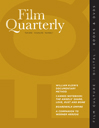
FILM QUARTERLY
Celebrating the Intersection of Art and AcademiaFilm Quarterly, published by University of California Press, stands as a leading academic journal in the field of visual arts and performing arts, boasting a prestigious Q1 ranking in the 2023 category quartiles. Since its inception in 1969, this quarterly publication has made significant contributions to the study and critique of cinema, attracting attention for its insightful articles, cutting-edge research, and comprehensive reviews that appeal to scholars, practitioners, and students alike. With an ISSN of 0015-1386 and an E-ISSN of 1533-8630, it serves as an essential resource for those seeking to enhance their understanding of film theory, history, and analysis. Although not open access, its articles are critical for researchers navigating the complex landscape of contemporary and historical film studies, underscoring its vital role in advancing scholarship within the discipline.
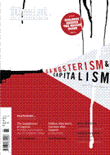
Film International
Exploring the Cultural Canvas of Cinema.Film International is a prominent journal dedicated to the exploration of film and its cultural, social, and artistic significance. Published by INTELLECT LTD, this journal serves as a platform for interdisciplinary studies in the field of film criticism, theory, and scholarship, contributing valuable insights from both established and emerging researchers. With an ISSN of 1651-6826 and an E-ISSN of 2040-3801, the journal is an essential resource for those engaged in the realms of communication, cultural studies, and visual arts, though it is currently classified in the lower quartiles of these fields (Q4). Noteworthy for its critical perspectives and diverse content, Film International enhances the dialogue surrounding cinematic practices and their impact on society. Researchers, professionals, and students can explore its rich assemblage of articles and reviews that reflect the evolving landscape of film studies, making it a significant addition to the academic community focused on the art of film.